



AR Lenoble
AR Lenoble is a fourth-generation family-owned Champagne house producing 250,000 bottles annually from 18 hectares across three distinctive subregions, with significant holdings of Chardonnay in Grand Cru Chouilly, Pinot Noir in Premier Cru Bisseuil, and Pinot Meunier in Damery. Their traditional approach is enhanced by innovative techniques like their réserve perpétuelle system storing wines in magnums under cork, extended aging protocols, and sustainable farming practices that earned HVE certification in 2012.
Abadia Retuerta
Abadia Retuerta is a historic Spanish wine estate in Sardón de Duero with 210 hectares of high-elevation vineyards primarily dedicated to Tempranillo, Cabernet Sauvignon, and Syrah grown in continental climate conditions with varied soil compositions. Operating outside Spain's DO system, the estate combines monastic heritage with modern winemaking techniques, employing a terroir-driven approach that separately vinifies 54 distinct vineyard plots to create both blended and single-vineyard pago expressions.
Agrapart & Fils
Agrapart & Fils is a family-owned grower-producer operating 12 hectares of predominantly Chardonnay vineyards across the Grand Cru villages of the Côte des Blancs, where chalky soils and mature vines averaging 40 years contribute depth to their terroir-focused champagnes. Their traditional approach emphasizes organic farming, indigenous yeast fermentation, extended lees aging, and minimal dosage, allowing each cuvée to transparently express the distinctive character of their exceptional vineyard sites.
Alain Graillot
Domaine Alain Graillot is a family-operated Northern Rhône estate spanning 20 hectares in Crozes-Hermitage, primarily producing Syrah-based wines from alluvial soils where the Isère and Rhône rivers converge. Their traditional winemaking approach features whole-cluster fermentation in concrete tanks followed by aging in used Burgundian barrels, maintaining minimal intervention practices that showcase the pure expression of their terroir.

Alain Hudelot-Noellat
Domaine Hudelot-Noellat is a rising star Burgundy estate in Vougeot with 10 hectares across the Côte de Nuits, producing primarily Pinot Noir from Grand Cru parcels in Richebourg, Romanée-Saint-Vivant, and Clos de Vougeot. Led by Charles Van Canneyt since 2008, the domaine practices sustainable viticulture with minimal intervention, creating wines known for their purity and precise terroir expression.

Alain Jaume
Family-owned since 1826, Alain Jaume operates 90 hectares across Southern Rhône appellations, focusing on Grenache-dominant blends from their galets roulés-covered Châteauneuf-du-Pape vineyards and similar terroirs in Lirac and Vacqueyras. Their winemaking balances tradition with selective modern techniques, fermenting Grenache in concrete tanks while aging premium wines in oak barrels and foudres, with organic certification for their Châteauneuf-du-Pape vineyards since 2010.

Alain Voge
Alain Voge, also from the Rhône Valley, is celebrated for his expressive Syrah and Marsanne wines, especially from Cornas and Saint-Péray, with a history dating back to the 1950s.

Albert Bichot (Clos Frantin), Domaine
Albert Bichot's Clos Frantin is a prestigious estate in Burgundy, producing wines from notable appellations like Gevrey-Chambertin and Vosne-Romanée, with roots in the region since the 19th century.
Albert Bichot (Long Depaquit)
Albert Bichot's Domaine Long-Depaquit is a family-owned estate spanning 65 hectares across all Chablis classifications, including parcels in six Grand Cru climats, where they produce exclusively Chardonnay wines from the region's distinctive Kimmeridgian limestone soils. Their winemaking balances tradition with careful modernization, employing hand harvesting for premier and grand cru vineyards, minimal oak influence, and sustainable practices certified by HVE since 2019.
Allende
Bodegas Allende is a medium-sized producer in Briones, Rioja Alta, crafting terroir-focused wines primarily from Tempranillo grown in limestone-clay soils across 22 hectares of high-elevation vineyards with significant diurnal temperature variations. Their winemaking balances traditional Rioja methods with site-specific expression through manual harvesting, tailored oak aging protocols, and minimal intervention practices that emphasize authentic vineyard character rather than production volume.

Altesino
Altesino, established in 1970 and now owned by Elisabetta Gnudi Angelini, manages 80 hectares of Sangiovese-dominated vineyards across four distinct sites in Montalcino, including their prized Montosoli vineyard with its distinctive galestro and limestone soils at 350 meters elevation. Their winemaking balances tradition with measured innovation, combining hand harvesting and extended aging protocols (36-48 months for premium wines) with selective modern techniques, while their pioneering of single-vineyard cru expressions demonstrates their commitment to authentic terroir representation.

Alvear
Alvear, one of the oldest wineries in Spain's Montilla-Moriles region, is renowned for its Pedro Ximenez wines, offering a range of styles from dry to some of the world’s richest sweet wines.
Ama, Castello di
Castello di Ama, a family-owned estate in Gaiole in Chianti operated by Lorenza Sebasti and winemaker Marco Pallanti since 1988, produces 300,000 bottles annually from 80 hectares of high-altitude vineyards (450-525m) planted predominantly to Sangiovese in the region's characteristic galestro and alberese soils. Their winemaking philosophy balances tradition with precision through separate parcel vinification and thoughtful oak aging, while maintaining low yields of 30-35 hectoliters per hectare to ensure authentic expressions of their historic Chianti Classico terroir.
Amiot Servelle
Domaine Amiot-Servelle is an 8-hectare family estate in Chambolle-Musigny, Burgundy, focusing on Pinot Noir from limestone-rich soils across village, premier cru, and grand cru vineyards with vines averaging 40 years old. The domaine, now led by Priscilla Amiot since 2008, maintains traditional Burgundian practices including organic viticulture, native yeast fermentations, and measured oak usage to faithfully express each vineyard's distinctive character.

Andre Gagey (Louis Jadot), Domaine
Maison Louis Jadot operates as a significant négociant-éleveur across 210 hectares of Burgundy's limestone-clay soils, producing primarily Pinot Noir and Chardonnay wines spanning regional to Grand Cru classifications. Their traditional approach combines open-top wooden vat fermentation for reds and barrel fermentation for whites with calibrated oak aging regimens, maintaining terroir expression while thoughtfully adapting to changing conditions under the stewardship of the Gagey family.
Antoine Jobard
Domaine Antoine Jobard is a small 5-hectare family estate in Meursault producing structured, mineral-driven Chardonnays from premier cru sites including Genevrières, Poruzots, and Charmes, alongside village-level parcels with mature vines averaging 30-60 years. The domaine maintains traditional methods including mechanical plowing, hand harvesting, indigenous yeast fermentation, and exceptionally long 20-22 month lees aging in oak barrels before bottling without fining or filtration.
Antonin Guyon, Domaine
Domaine Antonin Guyon is a family-owned Burgundy estate operating from Savigny-lès-Beaune with 50 hectares across 17 appellations, producing Pinot Noir and Chardonnay wines from diverse terroirs spanning both the Côte de Nuits and Côte de Beaune. Their winemaking balances traditional Burgundian methods with selective modern techniques, featuring hand-harvesting, partial destemming for reds, and a measured oak aging program that prioritizes authentic terroir expression.

Argiano
Argiano is one of the grand Tuscan producers from Montalcino, with richly flavored wines in its stable. Deeply rooted in a tradition dating back to the 16th century, Argiano's union of tradition and sustainability has produced wines appreciated for their dynamic character and great depth.

Argyros, Estate
Estate Argyros, founded in 1903, is a prominent winery on the island of Santorini, Greece. Known for its exceptional Assyrtiko wines, the winery focuses on sustainable practices and the preservation of Santorini's unique volcanic terroir.

Arlaud, Domaine
Domaine Arlaud, a biodynamic certified producer in Burgundy, crafts expressive and elegant wines, particularly from the Côtes de Nuits, upholding a family tradition that stresses the importance of terroir.

Arlot, Domaine
Domaine de l'Arlot operates 14 hectares of prime vineyards in southern Nuits-Saint-Georges and Vosne-Romanée, focusing primarily on Pinot Noir from limestone-clay soils including two monopole premier crus: Clos de l'Arlot and Clos des Forêts Saint-Georges. The biodynamic-certified estate employs traditional methods including horse plowing, whole-cluster fermentation (30-100%), and native yeast fermentation in open-top wooden vats, allowing each vineyard's distinctive character to express itself through minimal intervention winemaking.
Armand de Brignac
Armand de Brignac is a luxury Champagne producer operating from the historic Cattier family facilities in Chigny-les-Roses, creating a boutique portfolio of five cuvées sourced from Premier and Grand Cru vineyards across Montagne de Reims, Côte des Blancs, and Vallée de la Marne. The brand combines traditional Champagne craftsmanship—including three-vintage blending, hand-riddling, and extended aging—with distinctive metallic packaging and high-profile ownership shared between Jay-Z and LVMH, positioning it as a modern luxury icon in the ultra-premium segment.
Arnaud Mortet
Arnaud Mortet operates his family's 11-hectare domaine in Gevrey-Chambertin and a complementary négociant business, producing concentrated Pinot Noir from premier and grand cru vineyards across the limestone-clay soils of Côte de Nuits. His winemaking balances tradition with thoughtful refinement, employing gentle extraction techniques and calibrated oak aging to create wines of greater finesse and transparency while maintaining site-specific expression.
Au Bon Climat
Au Bon Climat, founded in 1982 and now owned by Jackson Family Wines, produces primarily Pinot Noir and Chardonnay from Santa Barbara County's cool, marine-influenced vineyards including their home base at Bien Nacido in Santa Maria Valley. The winery maintains its four-decade commitment to traditional Burgundian methods—including hand harvesting, native fermentation, and extended aging in French oak—creating balanced, food-friendly wines that prioritize vineyard expression and aging potential over power.

Avignonesi
Avignonesi manages 200 hectares of vineyards across Montepulciano and Cortona in southeastern Tuscany, producing Sangiovese-based Vino Nobile di Montepulciano and international varieties from diverse clay and limestone soils. The estate balances traditional Tuscan winemaking methods with progressive biodynamic practices, employing minimal intervention techniques and native yeast fermentations to preserve authentic terroir expression.

Ayala
Founded in 1860 in Aÿ, Champagne Ayala is a historic house producing Chardonnay-focused wines from Grand Cru and Premier Cru vineyards across the Côte des Blancs, Montagne de Reims, and Vallée de la Marne. Their winemaking balances tradition with innovation through plot-by-plot vinification, selective malolactic fermentation, extended aging beyond legal requirements, and a pioneering low-dosage approach that allows the intrinsic qualities of their base wines to shine with greater clarity.

Azelia
Azelia, a family-run winery in the Barolo region of Piedmont, has been producing expressive wines since the early 20th century, with particular praise for their balanced and aromatic Barolos.

Bachelards, Chateau des
Château des Bachelards, a historic Beaujolais estate dating to 1100, manages 12 hectares across premier appellations (primarily Fleurie and Moulin-à-Vent) where 50-year-old Gamay vines thrive in distinctive granite and manganese-rich clay soils. Under Alexandra de Vazeilles' leadership since 2015, the estate honors its monastic heritage while embracing biodynamic practices, employing traditional methods like horse-drawn plowing and minimal-intervention winemaking that includes indigenous fermentation and thoughtful aging in concrete and neutral oak.
Banfi, Castello
Castello Banfi is an American-founded, family-operated 7,100-acre estate in southern Montalcino producing primarily Sangiovese-based Brunello wines from 850 hectares of vineyards across diverse limestone, clay, sand, and volcanic soils. The estate balances tradition with innovation through their pioneering Sangiovese clone research and hybrid fermentation technology while maintaining traditional aging protocols in both Slavonian oak casks and French barriques.
Barde Haut, Chateau
Château Barde-Haut is a 17-hectare Saint-Émilion Grand Cru Classé estate managed by Hélène Garcin-Lévêque and Patrice Lévêque, producing Merlot-dominant Bordeaux blends from south-facing clay-limestone soils on the appellation's plateau. The Lévêques balance tradition with careful innovation through sustainable vineyard practices, hand harvesting, parcel-by-parcel vinification in concrete vats, and gravity-flow winemaking that preserves the distinctive terroir expression of their 30-50 year old vines.

Batailley, Chateau
Château Batailley, situated in the Pauillac appellation of Bordeaux, is a prominent Fifth Growth estate. Founded in the 16th century, Batailley is acclaimed for its classic Bordeaux blends made from Cabernet Sauvignon, Merlot, Cabernet Franc, and Petit Verdot.

Beau-Sejour Becot, Chateau
Beau-Séjour Bécot is set in the Saint-Émilion region of Bordeaux, notable for its Merlot-dominant blends that are rich and complex. The château's wines benefit from the limestone plateau, offering depth and aging potential.

Beauregard, Chateau
Château Beauregard is a historic 17.5-hectare Pomerol estate situated on the appellation's plateau, producing Merlot and Cabernet Franc-based wines from vineyards characterized by gravel, clay, and iron-rich crasse de fer soils. The estate maintains traditional Bordeaux winemaking methods while implementing modern precision techniques, including plot-by-plot harvesting and vinification followed by 18 months in French oak barrels to create wines that authentically express their historic terroir.
Beaurenard, Domaine de
Domaine de Beaurenard is a seven-generation Coulon family estate operating 32 hectares in Châteauneuf-du-Pape and 25 hectares in Rasteau, producing traditional red and white wines from vineyards characterized by galets roulés covering clay-limestone soils. Their winemaking combines respect for tradition with biodynamic farming principles (certified since 2010), native yeast fermentation in concrete tanks, and aging primarily in large oak foudres, preserving the authentic expression of their historic Southern Rhône terroirs.

Beausejour, Chateau
Chateau Beauséjour is a notable Bordeaux producer in the Puisseguin-Saint-Émilion appellation, crafting Merlot and Cabernet Franc blends that are both accessible and reflective of the terroir.
Beausejour Duffau-Lagarrosse, Chateau
Beausejour Duffau-Lagarrosse, the Saint-Émilion Premier Grand Cru Classé estate, is esteemed for its rich, full-bodied wines that are a testament to the power and finesse of the region's terroir.

Beaux Freres
Located in the Willamette Valley of Oregon, Beaux Freres is a well-regarded winery known for its Pinot Noir wines. Founded in 1986 by Michael Etzel and Robert Parker Jr., the winery focuses on producing wines from Pommard, Wädenswil, and Dijon clones.

Belgrave, Chateau
Château Belgrave is a 59-hectare Fifth Growth estate from the 1855 Classification located in Haut-Médoc near Saint-Julien, producing Cabernet Sauvignon-dominant Bordeaux blends from gravelly soils over clay-limestone subsoil. The Dourthe-owned property maintains traditional Bordeaux winemaking methods with parcel-specific vinification in temperature-controlled tanks, followed by 12-14 months aging in French oak, while keeping yields low to preserve the structured character that honors their classified growth status.
Bergstrom
Bergström Wines is a family-owned estate in Oregon's Willamette Valley producing approximately 10,000 cases annually, primarily focusing on single-vineyard Pinot Noir and Sigrid Chardonnay from their 85 acres across five diverse sites featuring volcanic and marine sedimentary soils. The winery combines Josh Bergström's Burgundian training with biodynamic farming practices (Demeter-certified since 2000), native yeast fermentations, and traditional cellar techniques including gravity flow processing and French oak aging to express each vineyard's distinctive character.

Beringer
Beringer, Napa Valley's oldest continuously operating winery (founded 1876), produces a multi-tiered portfolio centered on Cabernet Sauvignon and Chardonnay from approximately 1,600 acres across Napa, including prestigious Howell Mountain vineyards with volcanic soils. Their winemaking balances historic facilities—including extensive cave systems—with modern technology while maintaining sustainable practices, demonstrating the enduring quality and site-specific expression characteristic of a foundational American wine producer.
Bernard Moreau, Domaine
Domaine Bernard Moreau is a six-generation family estate in Chassagne-Montrachet with 14 hectares of predominantly Chardonnay vineyards across limestone-clay soils, including several premier crus and a parcel in Bâtard-Montrachet grand cru. Brothers Alexandre and Benoît Moreau maintain traditional methods—indigenous yeast fermentations, judicious oak aging, and minimal intervention—while practicing lutte raisonnée in the vineyards to preserve terroir expression and balance in their wines.
Bethel Heights
Bethel Heights is a pioneering family winery established in 1977 in Oregon's Eola-Amity Hills AVA, farming 59 acres of primarily Pinot Noir vineyards on south-facing slopes with dual soil profiles and cooling influences from the Van Duzer Corridor. Their winemaking balances minimal intervention with technical precision through partial whole-cluster fermentation and native yeasts, while maintaining multi-generational stewardship and sustainable practices that have earned LIVE and Salmon Safe certifications since 1999.

Beychevelle, Chateau
Château Beychevelle is a historic winery located in the Saint-Julien appellation of Bordeaux. Established in the 16th century, Beychevelle is renowned for producing elegant and well-structured Cabernet Sauvignon and Merlot blends that epitomize the classic Bordeaux style. The wine is known for its ruby-red color, fine structure, and subtle bouquet.
Billaud-Simon
Billaud-Simon is a historic Chablis producer managing 20 hectares across the appellation's four classifications, including parcels in four grand crus, where they craft Chardonnay-based wines from the region's distinctive Kimmeridgian limestone soils. Their winemaking emphasizes terroir transparency through temperature-controlled fermentation primarily in stainless steel, complemented by extended lees aging and minimal oak influence for select cuvées, maintaining the precise minerality and natural acidity that define traditional Chablis expression.
Bitouzet Prieur, Domaine
Domaine Bitouzet-Prieur is a family-owned Burgundian estate managing 12 hectares of vineyards across Volnay and Meursault, producing equal amounts of Pinot Noir and Chardonnay from limestone-clay soils with vines averaging 35-40 years old. François Bitouzet maintains traditional methods including partial destemming for reds, barrel fermentation for whites, moderate new oak usage (20-40%), and extended aging periods of 18-20 months for premier cru wines, emphasizing terroir expression through sustainable viticulture practices.
Bon Pasteur, Chateau Le
Château Le Bon Pasteur is a 6.62-hectare Pomerol estate in eastern Bordeaux producing Merlot-dominant wines from clay, gravel, and sand soils neighboring prestigious properties like Château Pétrus. The property balances traditional Bordeaux methods with thoughtful innovation, maintaining Michel Rolland's winemaking influence through careful manual harvesting, temperature-controlled fermentation, and 18-month aging in French oak to express the distinctive character of its terroir.

Bosquet des Papes
Bosquet des Papes, anchored in the soils of Châteauneuf-du-Pape since 1860, is a family estate that has been producing robust and spicy Grenache-based blends for generations, reflecting the power and warmth of the Southern Rhône.

Bossi
Bossi, located in Tuscany, is recognized for its commitment to the classic Chianti style, producing Sangiovese-based wines that are structured, aromatic, and true to the heart of the region.

Bouchard Pere et Fils
Founded in 1731, Bouchard Pere et Fils is one of the oldest and most prestigious wineries in Burgundy. With vineyards spanning the renowned Côte d'Or, the estate produces a wide range of exceptional Pinot Noir and Chardonnay wines.
Bourgneuf, Chateau
Château Bourgneuf is a family-owned Pomerol estate spanning 9 hectares on the appellation's plateau, where the Vayron family produces Merlot-dominant wines from clay and gravel soils that contribute to their structural integrity and aging potential. The estate maintains traditional Bordeaux practices through hand harvesting and French oak aging while focusing exclusively on a single wine that expresses the classic Pomerol profile of rich concentration and velvety texture.

Boyd-Cantenac, Chateau
Château Boyd-Cantenac is a historic Third Growth estate in Margaux operated by the Guillemet family since 1932, cultivating 17 hectares of primarily Cabernet Sauvignon on the gravelly plateau to produce approximately 5,000 cases annually. The estate combines traditional methods like hand harvesting and careful sorting with measured modern techniques, maintaining sustainable vineyard practices focused on low yields from 30-year-old vines to express the distinctive character of their terroir.

Branaire-Ducru, Chateau
Château Branaire-Ducru is a Fourth Growth Saint-Julien estate spanning 60 hectares of gravelly soils, where the Maroteaux family produces structured Cabernet Sauvignon-dominant Bordeaux blends from 70 meticulously managed vineyard parcels. Their winemaking combines traditional Bordeaux methods with modern precision through their gravity-flow winery, emphasizing parcel-by-parcel vinification and careful oak aging to create balanced wines that express Saint-Julien's distinctive character.

Brane-Cantenac, Chateau
Château Brane-Cantenac, a prominent Second Growth estate in the Margaux appellation of Bordeaux, has been crafting exceptional Bordeaux blends since the 18th century.

Brokenwood
Brokenwood, situated in Australia's Hunter Valley, is famed for its Semillon and Shiraz, wines that speak to the unique climate and terroir of one of Australia's oldest and most distinguished wine regions.

Brovia
Brovia is a fourth-generation family estate operating since 1863 in Castiglione Falletto, producing traditional Barolo from 19.2 hectares of vineyards across four prestigious crus with distinct soil compositions ranging from calcareous marl to clay-rich terrains. Their winemaking balances tradition with practical modernization, featuring temperature-controlled fermentation with extended maceration and aging in large Slavonian oak casks rather than barriques to preserve Nebbiolo's transparent terroir expression.

Bruno Clair, Domaine
Domaine Bruno Clair operates a 24-hectare estate across both the Côte de Nuits and Côte de Beaune in Burgundy, focusing primarily on Pinot Noir (85% of production) from diverse limestone-clay soils ranging from village-level to grand cru sites including Bonnes-Mares and Chambertin Clos de Bèze. Their winemaking balances traditional Burgundian methods with vintage-specific adaptations, employing sustainable viticulture, meticulous sorting, calibrated oak aging (20-50% new), and extended élevage to produce terroir-expressive wines built for graceful aging.

Bruno Colin
Bruno Colin, from a family of esteemed winemakers in Burgundy, continues the tradition with Chardonnay from Chassagne-Montrachet that balances richness with finesse.
Bruno Paillard
Founded in 1981, Bruno Paillard is a family-owned Champagne house in Reims producing 500,000 bottles annually from 32 hectares of predominantly Grand and Premier Cru vineyards across 15 villages, with equal emphasis on Chardonnay and Pinot Noir. Their meticulous approach includes using only first-press juice, extended aging far beyond legal minimums, low dosage levels, and pioneering transparency through disgorgement dating, balancing traditional methods with thoughtful innovation that has influenced the broader Champagne industry.

Bruno Rocca
Bruno Rocca is a 15-hectare family estate in Barbaresco, Piedmont, focused primarily on Nebbiolo from prestigious crus including their flagship Rabajà vineyard, where calcareous marl soils and elevations of 240-400 meters define their terroir. Their winemaking balances traditional methods like extended maceration with modern temperature-controlled fermentation, aging their Barbaresco for 18-20 months in French oak while maintaining site-specific expression across their portfolio of indigenous varieties.
CARO
CARO is a Franco-Argentine partnership between Domaines Barons de Rothschild (Lafite) and Bodega Catena Zapata, producing Malbec and Cabernet Sauvignon blends from high-altitude vineyards (2,300-4,900 feet) across Mendoza's premier growing regions, where significant diurnal temperature variations develop intense aromatics while maintaining fresh acidity. The winery combines traditional Bordeaux methodology with Argentine terroir expression through rigorous hand selection, temperature-controlled fermentation, and measured oak aging in French barrels, creating wines of precision and restraint that balance Old World structure with New World fruit character.

CVNE
CVNE, founded in 1879 and still operating from its original Haro location in Rioja, produces traditional red and white wines from extensive holdings across Rioja Alta and Rioja Alavesa, with Tempranillo dominating their production. The producer maintains historic practices like aging in American oak and underground cellars while incorporating modern techniques in their gravity-flow facility, continuing long-established labels like Imperial Gran Reserva and Monopole white wine.
Ca'Marcanda (Gaja)
Ca'Marcanda is the Gaja family's 100-hectare Bolgheri estate, established in 1996, where they cultivate primarily Bordeaux varieties across distinct terre bianche and terre brune soils that benefit from cooling maritime influences. Their winemaking philosophy combines traditional methods with modern precision in a gravity-flow winery, emphasizing sustainable farming practices and soil health while aging their wines in oak barriques for periods tailored to each cuvée.

Calon Segur, Chateau
Château Calon-Ségur is a Third Growth Bordeaux estate in Saint-Estèphe with 55 hectares of predominantly Cabernet Sauvignon vineyards planted on gravel-rich plateaus over clay-limestone subsoils. The estate produces classic Médoc wines through traditional methods including hand harvesting, parcel-by-parcel vinification in temperature-controlled tanks, and aging in 100% new French oak for up to 20 months.

Camensac, Chateau
Château Camensac is a Fifth Growth Bordeaux estate spanning 75 hectares in Haut-Médoc's Saint-Laurent-Médoc, producing Cabernet Sauvignon-dominant wines from gravel-rich soils with clay-limestone sections at high-density plantings of 10,000 vines per hectare. The estate maintains traditional Bordeaux methods with parcel-by-parcel harvesting, temperature-controlled fermentation in stainless steel, and 18-month aging in French oak barrels while embracing precise modern techniques under the Taillan Group's professional management.

Camille Giroud
Camille Giroud, a house with a rich history in Burgundy, has experienced a renaissance, producing Pinot Noir and Chardonnay that combine the elegance of old-world winemaking with a modern touch.

Campogiovanni
Campogiovanni is a 20-hectare estate in southeastern Montalcino focused exclusively on Sangiovese-based wines, where clay, limestone, and galestro soils at 250-300 meters elevation create ideal conditions for ripening. The estate adheres to traditional winemaking methods, fermenting in stainless steel before aging in large Slavonian oak casks, maintaining a consistent approach that honors regional heritage while expressing their warmer terroir.

Canalicchio di Sopra
Canalicchio di Sopra, in Montalcino, is celebrated for Brunello that consistently displays finesse, structure, and the ability to evolve beautifully with age.

Cantemerle, Chateau
Château Cantemerle is a historic Fifth Growth estate in the southern Haut-Médoc with 91 hectares of Cabernet Sauvignon-dominant vineyards planted on well-draining Quaternary gravel soils with clay-limestone subsoil. The property maintains traditional Bordeaux winemaking through parcel-specific fermentation in temperature-controlled tanks and 12-16 month oak aging, while incorporating sustainable vineyard practices that honor its heritage dating to the 14th century.

Cantenac Brown, Chateau
Château Cantenac Brown is a 42-hectare Third Growth estate in Margaux producing Cabernet Sauvignon-dominant Bordeaux blends from well-draining gravel soils on the Cantenac plateau. The estate combines traditional Bordeaux winemaking methods with forward-thinking environmental initiatives, including a new raw earth winery that maintains optimal temperatures naturally, while maintaining continuity through long-serving technical director José Sanfins.

Caparzo
Caparzo, another respected name in Montalcino, offers a range of Sangiovese-based wines, including a Brunello that balances traditional style with approachability.
Carbonnieux, Chateau
Chateau Carbonnieux, operated by the Perrin family since 1956, is a significant 92-hectare estate in Pessac-Léognan producing both red and white classified wines from gravelly, well-drained soils on a climate-moderating plateau. Their winemaking balances traditional Bordeaux methods with careful modernization, employing plot-by-plot management and sustainable practices while maintaining the historical approach that earned them classification for both colors in the 1959 Graves Classification.
Castagnier, Domaine
Domaine Castagnier is a modest-sized, family-owned Burgundian estate in the Côte de Nuits, where Jérôme Castagnier crafts Pinot Noir from prestigious appellations including Morey-Saint-Denis, Chambolle-Musigny, and Gevrey-Chambertin, with vineyards characterized by limestone and clay soils. Their winemaking balances traditional methods with precise temperature-controlled fermentation and carefully calibrated oak aging, maintaining a minimal-intervention philosophy that prioritizes authentic terroir expression over modern trends.
Castelgiocondo (Frescobaldi)
Castelgiocondo, owned by the historic Frescobaldi family since 1989, operates one of Montalcino's largest estates with 235 hectares of vineyards on the southwestern slopes, where afternoon sea breezes and well-draining galestro and limestone soils create ideal conditions for their Sangiovese-based Brunello. The estate balances tradition with precision through selective harvesting, temperature-controlled fermentation, and aging in both Slavonian and French oak, maintaining territorial expression while ensuring consistent quality across vintages.

Castellare di Castellina
Castellare di Castellina, in the heart of Chianti Classico, Tuscany, balances respect for tradition with a modern approach to produce Sangiovese wines that are both authentic and refined.

Cavallotto
Cavallotto is a third-generation family estate operating 25 hectares in Castiglione Falletto since 1928, producing traditional Barolo primarily from their monopole Bricco Boschis cru, where calcareous clay soils with varying sand and limestone create ideal conditions for Nebbiolo. Their winemaking combines certified organic viticulture with traditional methods including indigenous yeast fermentation, extended maceration, and aging exclusively in large Slavonian oak casks for periods exceeding DOCG requirements.

Certan de May, Chateau
Château Certan de May is a family-owned Pomerol estate spanning 5.5 hectares on the appellation's central plateau, where the Barreau family produces approximately 25,000 bottles annually from Merlot-dominant vineyards planted on iron-rich clay and gravel soils. Their winemaking philosophy honors traditional methods through hand harvesting, parcel-specific fermentation in concrete vats, and aging in French oak while maintaining a non-interventionist approach that emphasizes terroir expression from their mature vines averaging over 35 years.

Champy, Maison
Founded in 1720, Maison Champy is Burgundy's oldest wine house, managing 21 hectares across the Côte de Beaune's limestone-clay soils while producing Pinot Noir and Chardonnay from both estate vineyards and sourced grapes throughout the region. Their winemaking balances traditional methods with scientific precision, employing manual harvesting, careful extraction, and tailored oak aging in historic 18th-century cellars to express authentic terroir character.
Chandon de Briailles, Domaine
Domaine Chandon de Briailles is a family-owned Burgundian estate managing 13.5 hectares of vineyards across the northern Côte de Beaune, producing approximately 45,000 bottles annually with a focus on Pinot Noir and Chardonnay from their impressive holdings on the limestone-rich hill of Corton. Their winemaking philosophy combines biodynamic viticulture, horse-plowing, high whole-cluster inclusion, and minimal intervention in the cellar to create wines that transparently express their distinguished terroirs through traditional Burgundian methods.

Chanson Pere et Fils
Chanson Père et Fils, one of Burgundy's historic négociants, continues to produce pure and terroir-driven wines from the region's prestigious appellations, including Beaune and Pernand-Vergelesses.
Chantal Remy
Chantal Remy is a small-scale Burgundian producer crafting exclusively Pinot Noir wines from distinguished vineyard holdings in Morey-Saint-Denis and Gevrey-Chambertin, where limestone-clay soils contribute to each wine's distinctive character. Her winemaking philosophy emphasizes traditional methods including native yeast fermentations, gentle handling techniques, and patient barrel aging, resulting in wines that transparently express their specific vineyard origins.

Charbonniere, Domaine de la
Domaine de la Charbonnière is a four-generation family estate in the Southern Rhône, managing 16 hectares across four distinctive Châteauneuf-du-Pape terroirs, where Grenache-dominant vineyards span iconic galets roulés, limestone, clay, and sandy soils. The female-led team combines traditional methods with practical innovations, employing hand-harvesting, partial destemming, concrete fermentation, and measured oak aging to create wines that faithfully express their historic terroirs.

Charles Heidsieck
Charles Heidsieck, founded in 1851 in Reims, produces traditional Champagne from premier and grand cru vineyards across the region's key growing areas, with production centered in their Reims facility and its network of Roman chalk cellars. The house distinguishes itself through extensive aging protocols, including a minimum three-year aging for non-vintage wines and 40% reserve wines in their flagship Brut Réserve blend, while maintaining systematic malolactic fermentation and exclusive use of first-press juice.
Charles Joguet
Domaine Charles Joguet operates 36 hectares across Chinon's diverse terroirs, producing primarily Cabernet Franc wines from sandy alluvial soils, clay-limestone plateaus, and chalky hillsides with favorable south and southwest exposures. The estate pioneered single-vineyard bottlings in the region and maintains this tradition through organic farming practices, hand harvesting, and terroir-specific vinification protocols that honor each site's distinctive character.
Charvin, Domaine
Domaine Charvin is a small, family-owned estate in the Southern Rhône of France with 21 hectares of vineyards, primarily producing Grenache-dominant wines from their galets roulés-covered parcels in Châteauneuf-du-Pape and Côtes du Rhône. Under sixth-generation proprietor Laurent Charvin, the estate maintains traditional methods including whole-cluster fermentation, concrete tank aging, and minimal intervention, resulting in wines that emphasize balance and terroir expression rather than power.

Chasse-Spleen, Chateau
Château Chasse-Spleen is a leading Moulis-en-Médoc estate owned by the Merlaut-Villars family, spanning 98 hectares of deep Garonne gravel soils where they produce predominantly Cabernet Sauvignon-based wines from 30-year-old vines planted at high density. Their traditional approach combines plot-by-plot harvesting with temperature-controlled fermentation in stainless steel vats, followed by 12-18 months aging in French oak barrels, maintaining the estate's classic Médoc character that earned it Cru Bourgeois Exceptionnel status.
Chevalier, Domaine de
Domaine de Chevalier is a Cru Classé estate in Pessac-Léognan spanning 45 hectares, where the Bernard family produces primarily Cabernet Sauvignon-based reds and Sauvignon Blanc-dominated whites from black sand and fine white gravel soils in a forest-protected microclimate. Their winemaking philosophy emphasizes balance over power through sustainable viticulture, parcel-by-parcel vinification, and traditional barrel aging techniques that have consistently expressed their Léognan terroir since 1865.
Chezeaux, Domaine
Domaine des Chezeaux, stewarded by the Ponsot family in Burgundy, stands out for its old vine Pinot Noir, with a legacy that includes some of the most admired plots in Gevrey-Chambertin, dating back to the early 20th century.

Chiuse, Le
Le Chiuse is a Brunello di Montalcino producer, known for its historic connection with Biondi-Santi, and produces wines that are elegant and have considerable aging potential.

Christian Moreau Pere & Fils, Domaine
Christian Moreau Père & Fils, a Chablis domain with a long lineage, is known for its precise and mineral-driven Chardonnay, showcasing the distinct Kimmeridgian soil of the area. Among their most acclaimed bottlings are those from the Grand Cru vineyards of Les Clos, Valmur, and Vaudésir.

Ciacci Piccolomini d'Aragona
Ciacci Piccolomini d'Aragona is a family-owned Brunello producer in southeastern Montalcino with 55.5 hectares of vineyards, primarily focusing on Sangiovese grown in the estate's prized Pianrosso vineyard at 240-360 meters elevation with southwestern exposure. Their traditional approach combines certified organic viticulture with minimal intervention winemaking, fermenting in temperature-controlled stainless steel before aging their Brunello in large Slavonian oak casks for extended periods.

Clarence Dillon Wines
Clarence Dillon Wines, which includes the esteemed Bordeaux estates Château Haut-Brion and Château La Mission Haut-Brion, represents wines of exceptional pedigree and quality.

Clerc Milon, Chateau
Château Clerc Milon is a 41-hectare Fifth Growth estate in Pauillac owned by the Rothschild family, producing approximately 15,000 cases annually of Cabernet Sauvignon-dominant Bordeaux blends from gravelly soils between two First Growth neighbors. The estate combines traditional Bordeaux methods with modern precision in its gravity-fed winery, maintaining classic winemaking practices while incorporating sustainable features and preserving some of the Médoc's oldest Carmenère vines.

Clinet, Chateau
Château Clinet is an 11.5-hectare Pomerol estate on the appellation's plateau, producing structured red wines from predominantly Merlot vines grown in iron-rich clay and gravel soils. The estate combines traditional Bordeaux winemaking with modern techniques, employing gravity-flow systems and optical sorting in their renovated winery while maintaining plot-by-plot vinification and aging in French oak barrels.
Closel, Domaine du
Domaine du Closel is a family-owned estate in Savennières with 16 hectares of predominantly Chenin Blanc vineyards on south-facing slopes above the Loire River, where schist and sandstone soils with quartz and rhyolite create distinctly mineral wines. Under Evelyne de Pontbriand's leadership since 2001, the estate maintains traditional winemaking through biodynamic viticulture, low yields, native yeast fermentations, and extended lees aging to produce benchmark expressions of this historic appellation.
Cockburn's
Cockburn's is a historic Portuguese port house established in 1815, now owned by Symington Family Estates, producing traditional port wines from 100 hectares of predominantly south-facing vineyards at Quinta dos Canais in the Douro Superior region, where schist soils and old vines contribute to concentrated wines. Their balanced approach combines traditional methods like foot treading in granite lagares for premium vintages with careful aging protocols in their Vila Nova de Gaia cellars, maintaining a portfolio focused exclusively on Portuguese varieties across ruby, tawny, and vintage expressions.
Col d'Orcia
Col d'Orcia is a family-owned, 540-hectare estate on Montalcino's southern slopes, with 140 hectares of primarily Sangiovese vineyards at 150-450 meters elevation producing Brunello di Montalcino from diverse soils of marl, clay, limestone, and sandstone. Tuscany's largest certified organic wine producer since 2010, they balance traditional winemaking methods—aging Brunello in both French and Slavonian oak for at least two years—with modern techniques like temperature-controlled fermentation to authentically express their southern Montalcino terroir.

Colla, Poderi
Poderi Colla is a third-generation family estate spanning 25 hectares across three strategic properties in Piedmont's top appellations, focusing primarily on Nebbiolo expressions through their Barolo Bussia Dardi Le Rose and Barbaresco Roncaglie bottlings from calcareous soils at elevations between 260-350 meters. Their winemaking philosophy balances traditional methods—including extended Nebbiolo maceration and aging in large Slavonian oak casks—with selective modern techniques that enhance quality while prioritizing authentic vineyard expression over winemaking intervention.
Colombier, Domaine du
Domaine du Colombier is a family-owned, medium-sized estate in Mercurol in the northern Rhône Valley, where Florent Viale manages 16 hectares across Crozes-Hermitage and Hermitage, focusing primarily on Syrah-based wines from alluvial and granite soils. Their traditional winemaking approach includes temperature-controlled fermentation, appellation-specific aging regimens, and minimal intervention that prioritizes authentic terroir expression over trend-chasing.

Comte Armand
Comte Armand is a family-owned Burgundy estate spanning 9.5 hectares, primarily focused on structured, age-worthy Pinot Noir from their historic 5.5-hectare Clos des Epeneaux monopole in Pommard, with additional holdings in Auxey-Duresses and Volnay. Their winemaking combines traditional Burgundian methods with biodynamic viticulture (Demeter-certified since 2005), featuring indigenous yeast fermentations, significant whole-cluster inclusion, and extended oak aging that produces wines of authentic terroir expression and remarkable longevity.

Comte Senard, Domaine
Domaine Comte Senard is a fifth-generation family estate in Aloxe-Corton with 9 hectares of vineyards, specializing in Pinot Noir from nine Grand Cru climats across the Hill of Corton's varied clay-limestone soils and elevations. Their winemaking balances traditional Burgundian methods—hand harvesting, partial whole-cluster fermentation, and patient maturation—with a multi-generational commitment to authentic terroir expression rather than following trends.
Confuron Cotetidot, Domaine
Domaine Confuron-Cotetidot is a family-owned 12-hectare estate in Vosne-Romanée producing structured Pinot Noir from exceptional vineyard holdings across the Côte de Nuits, where limestone-clay soils and old vines contribute to the wines' depth. The brothers Yves and Jean-Pierre maintain traditional Burgundian methods including late harvesting, extensive whole-cluster fermentation, and extended maceration followed by patient oak aging, resulting in terroir-expressive wines with remarkable aging potential.

Conseillante, Chateau La
Château La Conseillante is an 11.8-hectare Pomerol estate run by the Nicolas family since 1871, producing Merlot-dominant Bordeaux blends from clay-gravel soils with significant iron deposits across 18 distinct parcels. The estate combines traditional plot-by-plot vinification with modern precision techniques, including optical sorting and gravity-flow systems introduced in 2012, while maintaining their signature purple capsule trademark established in 1929.

Conti Costanti
Conti Costanti, a well-respected Brunello di Montalcino producer, is appreciated for Sangiovese wines that balance intensity and elegance, reflecting the historical terroir of Montalcino.

Cos Labory, Chateau
Château Cos Labory, nestled in the Saint-Estèphe appellation of Bordeaux, is a recognized Fifth Growth estate. With roots dating back to the 18th century, the château is renowned for producing Bordeaux blends with a strong presence of Cabernet Sauvignon.

Courbis, Domaine
Domaine Courbis is a family-owned Northern Rhône estate spanning 35 hectares across Cornas and Saint-Joseph, where brothers Laurent and Dominique Courbis craft predominantly Syrah-based wines from steep, granite-rich hillside vineyards with vines up to 60 years old. Their winemaking balances traditional methods with careful modernization, emphasizing sustainable viticulture, meticulous sorting, and French oak aging to authentically express the distinctive character of each appellation's terroir.
Courcel, Domaine de
Domaine de Courcel, a Pommard-based Burgundy estate, is noted for its structured and concentrated Pinot Noir that showcases the full-bodied style of its appellation.

Crock, Chateau Le
Château Le Crock is situated in Saint-Estèphe, Bordeaux, and produces robust, structured wines known for their classic Cabernet Sauvignon-led blends.

Croft
Croft, a distinguished name in Port wine, offers a range of fortified wines from the Douro Valley, including vintage ports that are rich, structured, and suitable for long aging.

Croizet-Bages, Chateau
Château Croizet-Bages is a 30-hectare Fifth Growth Pauillac estate owned by the Quié family since 1942, producing Cabernet Sauvignon-dominant Bordeaux blends from well-draining Günzian gravel soils along the Gironde estuary. The estate combines traditional methods with measured modernization, employing hand-harvesting, temperature-controlled fermentation, and 18-month aging in French oak with 30-40% new barrels to create structured wines that authentically express Pauillac's distinctive character.
Cuilleron
Domaine Yves Cuilleron is a century-old family estate in France's northern Rhône Valley, cultivating 75 hectares across Condrieu, Saint-Joseph, Côte-Rôtie, Saint-Péray, and Cornas, where Syrah and Viognier thrive on steep granite and schist slopes. Their traditional approach features all-manual vineyard work, native yeast fermentations, and aging protocols tailored to each wine's character, with minimal intervention during bottling to preserve the authentic expression of northern Rhône's indigenous varieties.

Damilano
Damilano, a fourth-generation family estate founded in 1890, produces 350,000 bottles annually from 53 hectares across Barolo and Langhe, with significant holdings in prestigious crus including Cannubi, where they are the largest single proprietor. Their winemaking balances tradition with precision through temperature-controlled fermentations, extended macerations, and aging in large Slavonian oak casks, while maintaining integrated pest management and meticulous hand-harvesting practices in their vineyards.

Dauzac, Chateau
Château Dauzac, located in the Margaux appellation of Bordeaux, is a prestigious Fifth Growth estate. Established in the 12th century, Dauzac is renowned for its elegant Bordeaux blends, primarily from Cabernet Sauvignon and Merlot.

Delaforce
Delaforce is a historic Port house established in 1838, now owned by Portugal's Real Companhia Velha, producing a comprehensive range of Ruby, Tawny, LBV and Vintage Ports from grapes sourced in the Douro Valley's schist soils and steep terraced vineyards. The producer maintains traditional methods, fermenting in the Douro before aging their wines in Vila Nova de Gaia's historic lodges, with particular emphasis on their distinguished aged tawnies, including the signature His Eminence's Choice.

Delamotte
Founded in 1760, Champagne Delamotte is one of the region's oldest houses, operating from the Grand Cru village of Le Mesnil-sur-Oger and focusing primarily on Chardonnay-based wines from the limestone-rich soils of the Côte des Blancs. The house maintains traditional methods including hand harvesting and extended lees aging while employing minimal dosage to preserve the natural mineral expression of their distinguished terroir.

Delas
Delas Frères, a notable Rhône Valley producer, is known for crafting Syrah-based wines with depth and elegance, from regional to prized appellation-specific offerings.
Denis Mugneret
Domaine Denis Mugneret & Fils is a small family-owned estate in Vosne-Romanée producing terroir-expressive Pinot Noir from limestone and clay soils across holdings in the Côte de Nuits, including premier cru vineyards in Vosne-Romanée and Nuits-Saint-Georges. The domaine maintains traditional Burgundian practices through hand-harvesting, cold maceration, and thoughtful oak aging, with Denis and son Hugues prioritizing minimal intervention to allow each site's distinctive character to emerge naturally.

Desmirail, Chateau
Château Desmirail is a Margaux Third Growth estate spanning 40 hectares across Margaux, Arsac, and Cantenac, where the Lurton family produces Cabernet Sauvignon-dominant Bordeaux blends from gravelly soils that provide excellent drainage and heat retention. The estate maintains traditional practices including hand-harvesting and parcel-by-parcel vinification in temperature-controlled tanks, aging their grand vin for 12-14 months in French oak while gradually incorporating modern techniques like optical sorting and gravity-flow systems.
Deutz
Founded in 1838 and based in the Grand Cru village of Aÿ, Deutz is a moderate-sized Champagne house with 42 hectares of vineyards across the Vallée de la Marne and Côte des Blancs, where chalky soils and south-facing slopes contribute to their traditional Pinot Noir, Chardonnay, and Pinot Meunier cuvées. Their production philosophy emphasizes extended lees aging, separate parcel vinification, and relatively low dosage, maintaining a classic house style that balances freshness with depth while showcasing their historic Aÿ terroir.
Doisy Daene, Chateau
Château Doisy-Daëne is a family-owned Second Growth estate spanning 18.5 hectares in Barsac, producing distinctive sweet wines from Sémillon and Sauvignon Blanc grown on clay-limestone soils that impart pronounced minerality. The Dubourdieu family employs up to six selective harvest passes through their vineyards, combining traditional Bordeaux winemaking methods with technical precision developed through Denis Dubourdieu's scientific background to create wines that balance sweetness, acidity, and terroir expression.
Doisy-Vedrines, Chateau
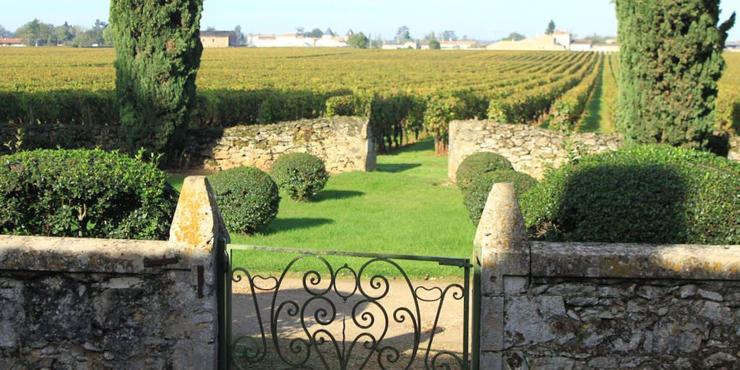
Château Doisy-Védrines is a 27-hectare Second Growth Sauternes estate in Barsac operated by the Castéja family since 1946, producing approximately 40,000 bottles annually of botrytized sweet wine from predominantly Sémillon vines grown on distinctive limestone soils with red sand and clay. Their unwavering commitment to traditional methods includes multiple selective harvesting passes for optimal noble rot development, followed by barrel fermentation and 18-24 months aging in French oak, with the discipline to produce no wine in challenging vintages rather than compromise quality.
Doix, Mas
Mas Doix is a family-owned boutique winery in Spain's Priorat region, established in 1998 after generations of grape growing dating to 1850, producing concentrated Garnacha and Cariñena wines from steep, terraced vineyards with distinctive llicorella slate soils. Their traditional approach includes hand-harvesting century-old vines, parcel-specific vinification in small tanks, and French oak aging, preserving the historical continuity that defines their authentic expressions of ancestral lands.
Dow's
Dow's is a historic Port house owned by the Symington family since 1961, operating two principal quintas in Portugal's Douro Valley where they cultivate traditional Portuguese varieties on steep, schist-rich slopes to produce Vintage, LBV, and aged Tawny Ports. Their winemaking balances centuries-old methods like foot treading in granite lagares with modern innovations such as robotic lagares, while maintaining their signature dry finish and implementing sustainable practices that have earned them B Corporation certification.

Drouhin Laroze, Domaine
Drouhin Laroze, a family estate in Burgundy's Côte de Nuits, crafts classic Pinot Noir wines, with Grand Cru parcels contributing to its reputation for quality and terroir expression.

Drouhin Oregon, Domaine
Domaine Drouhin Oregon, established in 1987 by Burgundy's Drouhin family, encompasses 225 acres in the Dundee Hills AVA and 279 acres in the Eola-Amity Hills AVA, focusing primarily on Pinot Noir and Chardonnay grown in iron-rich volcanic soils at 400-800 feet elevation. Fourth-generation winemaker Véronique Drouhin-Boss applies traditional Burgundian techniques including high-density plantings, gravity-flow processing, and sustainable farming practices, embodying their philosophy of French soul, Oregon soil that has helped elevate Oregon's fine wine reputation.
Drouhin-Vaudon
Drouhin-Vaudon is the 38-hectare Chablis estate of historic Burgundian house Joseph Drouhin, producing Chardonnay-based wines across all appellation levels from vineyards rooted in the region's distinctive Kimmeridgian limestone soils. Their winemaking philosophy emphasizes minimal intervention with primarily stainless steel fermentation, extended lees aging, and certified organic viticulture to create precise, mineral-driven expressions that faithfully reflect Chablis' traditional character.

DuMOL
DuMOL is an independently owned, boutique producer in the Russian River Valley of Sonoma County, crafting approximately 15,000 cases annually of cool-climate Pinot Noir, Chardonnay, Syrah, and Cabernet Sauvignon from 25 acres of estate vineyards characterized by Goldridge sandy loam soils and maritime influence. Winemaker-viticulturist Andy Smith employs a comprehensive vineyard-to-bottle approach that combines traditional techniques with minimal intervention, including native fermentations, gravity-flow processing, and bottling without fining or filtration to preserve authentic site expression.
Duclot
Duclot is a historic Bordeaux négociant house established in 1886, now operated by the Moueix family, specializing exclusively in the distribution of classified growths and prestigious wines from Bordeaux's finest terroirs. The company maintains the traditional négociant model without vineyard ownership, focusing instead on cultivating direct relationships with top châteaux and offering innovative presentations like their signature Collection Case featuring nine iconic Bordeaux wines from a single vintage.

Duhart-Milon, Chateau
Château Duhart-Milon is a 76-hectare Fourth Growth estate in Pauillac owned by Domaines Barons de Rothschild (Lafite), producing Cabernet Sauvignon-led Bordeaux blends from deep gravel soils over limestone adjacent to Château Lafite Rothschild. The estate employs plot-by-plot harvesting and vinification under Lafite's technical team, aging their wines for 14-16 months in French oak barrels before creating their grand vin and second wine Moulin de Duhart.
Dupont Tisserandot
Domaine Dupont-Tisserandot is a family-owned Burgundian estate managing 13 hectares of vineyards in Gevrey-Chambertin, producing Pinot Noir from limestone-clay soils with vines averaging 40-50 years old. Their traditional approach combines sustainable viticulture with time-honored winemaking techniques—native yeast fermentations, judicious oak aging, and minimal filtration—while maintaining the authentic terroir expression that has defined their wines across generations.

Durfort-Vivens, Chateau
Château Durfort-Vivens is a Second Growth Bordeaux estate in Margaux with 55 hectares of deep gravel vineyards primarily planted to Cabernet Sauvignon, owned by the Lurton family since 1961. Under Gonzague Lurton's leadership, the estate fully converted to biodynamic viticulture in 2016, producing elegant Margaux wines that express the refined character of this prestigious appellation.

Duval Leroy, Champagne
Champagne Duval-Leroy, a family-owned house, crafts a range of Champagnes known for their finesse, from non-vintage bruts to prestigious cuvées.

Elio Grasso
Elio Grasso, a traditionalist in Barolo, is celebrated for Nebbiolo wines that are structured and capable of aging, deeply tied to the terroir of Monforte d'Alba.

Elvio Cogno
Elvio Cogno is a 15-hectare family estate in Novello focused on Barolo production from the Ravera cru, where south-facing calcareous clay-limestone soils at 320-380 meters elevation impart distinctive minerality to their predominantly Nebbiolo plantings. Their winemaking balances tradition with thoughtful innovation through extended 30-40 day macerations, exclusive aging in large Slavonian oak botti, and sustainable vineyard practices that authentically express the classic character of their singular terroir.
Emmerich Knoll
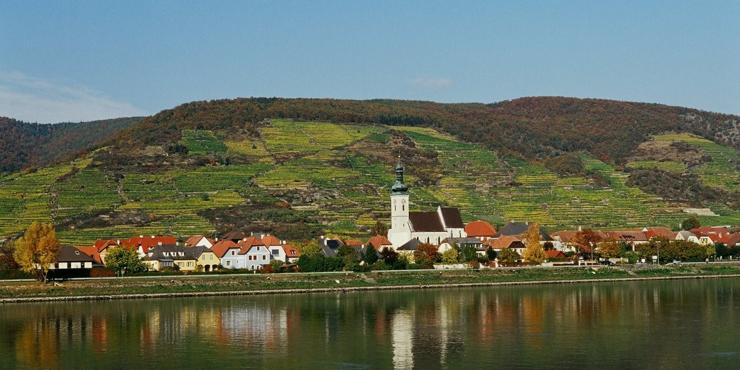
Emmerich Knoll is a well-respected winery located in the Wachau region of Austria. Established in the 1950s, the winery is known for producing high-quality wines from grape varieties such as Grüner Veltliner and Riesling. Emmerich Knoll wines are recognized for their balance, minerality, and aging potential.
Evening Land (Seven Springs)
Evening Land Vineyards is a focused Oregon producer dedicated exclusively to the historic 80-acre Seven Springs Vineyard in the Eola-Amity Hills, crafting primarily Pinot Noir and Chardonnay from volcanic Jory soils in a microclimate influenced by cooling Pacific winds through the Van Duzer Corridor. Their traditional approach combines Demeter-certified biodynamic farming with minimal intervention winemaking techniques, including native yeast fermentations, judicious whole cluster use, and moderate oak aging to express the distinctive terroir of their east-facing vineyard.

Faiveley, Domaine
Domaine Faiveley is a historic winery in the Burgundy region of France, known for its high-quality Pinot Noir and Chardonnay wines. Founded in 1825, the winery has a long-standing reputation for excellence, crafting elegant and age-worthy wines from some of the region's most prestigious vineyards.
Fargues, Chateau de
Château de Fargues is a historic Sauternes estate owned by the Lur Saluces family for 23 generations since 1472, producing exclusively sweet wines from 15 hectares of Sémillon and Sauvignon Blanc planted on elevated gravelly clay-limestone soils. The estate maintains traditional methods with multiple selective harvest passes, extended 30-36 month barrel aging, and deliberately limited production of 15,000-20,000 bottles annually, occasionally skipping vintages entirely when conditions fail to meet their exacting standards.

Faugeres, Chateau
Château Faugères is a 37-hectare Saint-Émilion Grand Cru Classé estate owned by Silvio Denz, producing Merlot-dominated Bordeaux blends from limestone plateau and clay-limestone slope vineyards. The property combines traditional Bordeaux winemaking with modern precision through its gravity-flow winery, hand harvesting, parcel-by-parcel vinification, and sustainable viticultural practices that respect the estate's terroir expression.
Felsina
Fèlsina is a family-owned estate in southern Chianti Classico's Castelnuovo Berardenga with 95 hectares of predominantly Sangiovese vineyards planted on galestro and alberese soils at 320-420 meters elevation. Their winemaking balances tradition with precision through hand-harvesting, careful sorting, and thoughtful aging in Slavonian oak casks and French barriques, producing terroir-driven wines that authentically express the warmer microclimate of Chianti Classico's southern edge.
Ferraton Pere & Fils
Ferraton Pere & Fils is a family-owned Rhône Valley producer operating both estate vineyards and négociant activities across Northern and Southern appellations, crafting Syrah-based reds and Marsanne-Roussanne whites from granite-rich soils and diverse terroir. Their winemaking philosophy balances traditional methods with careful innovation, anchored by a comprehensive commitment to biodynamic viticulture since 1998 and meticulous parcel-by-parcel vinification that preserves authentic terroir expression.
Ferreirinha, Casa
Casa Ferreirinha, established in 1751 and now owned by Sogrape Vinhos, produces traditional Douro Valley wines from indigenous varieties across three subregions, with their flagship 160-hectare Quinta da Leda estate featuring schist soils and elevations between 150-400 meters. Their winemaking balances traditional methods like foot-treading in granite lagares with modern techniques, creating historically significant wines like Barca Velha—Portugal's first premium unfortified Douro wine, released only in exceptional vintages since 1952.
Fieuzal, Chateau de
Château de Fieuzal is a Cru Classé de Graves estate in Pessac-Léognan spanning 75 hectares of gravelly soils, producing both red wines from Cabernet Sauvignon and Merlot and white wines from Sauvignon Blanc and Sémillon. The Quinn family, owners since 2001, maintains traditional Bordeaux winemaking while incorporating modern techniques like optical sorting and temperature-controlled fermentation, with plot-by-plot management and careful oak aging to express the appellation's characteristic mineral profile.

Fleur Cardinale, Chateau
Château Fleur Cardinale is a Saint-Émilion Grand Cru Classé estate owned by the Decoster family since 2001, cultivating 23.5 hectares of predominantly Merlot (75%) vineyards across limestone-clay soils of the plateau and hillsides. Their winemaking philosophy balances modern precision with traditional Bordeaux methods, featuring plot-by-plot vinification in temperature-controlled tanks followed by 18 months aging in French oak barrels.
Fombrauge, Chateau
Château Fombrauge is a historic Saint-Émilion Grand Cru Classé estate spanning 58 hectares across diverse terroirs of limestone plateaus, clay-limestone slopes, and sandy soils with clay subsoils, primarily producing Merlot-dominated red wines. The château combines traditional methods with technical precision through plot-by-plot management, hand-harvesting, and parcel-specific vinification under Michel Rolland's guidance, while maintaining sustainable practices that honor the property's heritage dating to 1599.
Fonroque, Chateau
Château Fonroque is a 17.5-hectare Saint-Émilion Grand Cru Classé estate owned by the Moueix family since 1931, producing Merlot-dominant wines from clay-limestone soils on the region's limestone plateau. Under Alain Moueix's direction since 2001, the property became one of Bordeaux's first classified estates to achieve biodynamic certification, balancing traditional Right Bank winemaking with ecological practices that enhance terroir expression.

Fontaine-Gagnard, Domaine
Domaine Fontaine-Gagnard is a 10-hectare family estate in Chassagne-Montrachet, specializing in Chardonnay from limestone-clay soils across Grand Cru and Premier Cru vineyards including Bâtard-Montrachet and Le Montrachet. Their traditional approach features hand harvesting, barrel fermentation, extended lees aging, and minimal intervention, allowing each vineyard's character to express itself authentically through generations of viticultural knowledge.
Fonterutoli (Mazzei), Castello
Castello Fonterutoli, owned by the Mazzei family since 1435, operates 117 hectares of vineyards across four properties in Chianti Classico, focusing primarily on Sangiovese grown in galestro and alberese soils at elevations between 220-500 meters. Their winemaking balances tradition with innovation through their gravity-flow winery featuring 36 different-sized fermentation tanks for parcel-specific vinification, maintaining the distinct characteristics of 120 identified vineyard parcels while continuing their multi-generational commitment to terroir expression.
Francesco Rinaldi e Figli
Francesco Rinaldi e Figli is a six-generation family estate in Piedmont's Langhe region, cultivating 10 hectares across prestigious Barolo and Barbaresco sites with blue-grey marl soils, focusing primarily on Nebbiolo-based wines from vineyards averaging 30-60 years of age. Their traditional approach includes manual harvesting, concrete tank fermentation, extended maceration, and aging exclusively in large Slavonian oak casks without filtration, preserving authentic regional character while making measured technical improvements.
Francois Bertheau, Domaine
Domaine François Bertheau is a family-owned estate operating 6 hectares of Pinot Noir vineyards exclusively in Chambolle-Musigny, where limestone-rich soils contribute to the wines' signature finesse and aromatic complexity. The domaine maintains traditional Burgundian practices with minimal intervention, including hand-harvesting, native yeast fermentation, and moderate oak aging, allowing the subtle differences between vineyard sites to be faithfully expressed in each bottling.
Francois Carillon
François Carillon, representing the 16th generation of a historic winemaking family, operates a 15-hectare estate across Puligny-Montrachet, Chassagne-Montrachet, and Saint-Aubin, focusing primarily on Chardonnay from limestone-clay soils with vines averaging 40 years. His traditional approach includes hand-harvesting, natural fermentation in French oak, complete malolactic fermentation, and lees aging with bâtonnage, maintaining methods that honor centuries of accumulated family knowledge while allowing each vineyard's distinct terroir to express itself clearly.
Francois Lamarche, Domaine
Domaine François Lamarche is a six-generation family estate in Vosne-Romanée managing 11 hectares of limestone and clay-rich vineyards in the Côte de Nuits, focusing primarily on Pinot Noir from their monopole La Grande Rue Grand Cru and other prestigious sites. Under the leadership of cousins Nicole and Nathalie Lamarche, the domaine employs gentle extraction methods favoring infusion over manipulation, with oak treatment carefully calibrated to each wine's stature during their traditional 12-18 month maturation.

Fratelli Alessandria
Fratelli Alessandria is a fourth-generation family estate in Verduno managing 14 hectares of prime Barolo vineyards, including parcels in Monvigliero and San Lorenzo crus at 200-350 meters elevation. Their traditional winemaking combines temperature-controlled fermentation, extended macerations and aging in Slavonian oak botti, while maintaining a dedicated focus on preserving local varieties like Pelaverga.
Frederic Esmonin
Domaine Frederic Esmonin is a family-operated estate in Gevrey-Chambertin, Burgundy, producing Pinot Noir wines from village and Premier Cru parcels grown in the appellation's limestone-clay soils. Their winemaking balances traditional Burgundian methods with careful vineyard management, employing controlled fermentation and French oak aging to faithfully express the distinctive character of their terroir.

Fritz Haag
Fritz Haag is a prestigious winery in the Mosel region of Germany, known for producing exceptional Riesling wines that showcase the distinct terroir of the steep-sloped vineyards. The winery has a long history dating back to 1605 and is currently run by the Haag family.

Fuligni
Fuligni is a four-generation family estate in Montalcino producing approximately 40,000 bottles annually from 10 hectares of high-altitude eastern slope vineyards, focusing primarily on Sangiovese for their Brunello di Montalcino wines grown in galestro and alberese soils. Their traditional approach combines hand harvesting with extended aging in large Slavonian oak casks under the direction of Maria Flora Fuligni and enologist Paolo Vagaggini, maintaining the estate's century-old commitment to expressing Montalcino's specific terroir.

G.D. Vajra
G.D. Vajra is a family-owned estate established in 1972 in Barolo's highest village of Vergne, farming 40 hectares of predominantly Nebbiolo vineyards situated between 350-480 meters elevation, where high-altitude sites contribute to their wines' elegant, aromatic profiles. Their winemaking philosophy blends traditional methods with precise execution, including organic farming since the 1970s, extended macerations, and aging exclusively in large Slavonian oak casks rather than new barriques.
Gaffeliere, Chateau La
Château La Gaffelière is a Premier Grand Cru Classé B estate in Saint-Émilion, owned by the Malet-Roquefort family since the 17th century, producing Merlot-dominant Bordeaux blends from 22 hectares of diverse limestone plateau and clay-limestone slope vineyards. The estate combines traditional manual harvesting and parcel-by-parcel vinification with measured modernization, maintaining a steadfast focus on expressing their distinctive limestone terroir through wines that honor Bordeaux's winemaking heritage.

Gaston Chiquet
Gaston Chiquet is an eighth-generation family grower-producer managing 23 hectares of premier and grand cru vineyards across four Vallée de la Marne villages, crafting champagnes with an unusual emphasis on Chardonnay (45%) alongside Pinot Meunier (35%) and Pinot Noir (20%) from chalky soils with varying clay and limestone content. Their traditional approach features sustainable viticulture, separate parcel vinification, extended lees aging beyond appellation requirements, and judicious dosage application, all aimed at expressing their historic terroirs while maintaining their distinctive house style.

Gay, Chateau Le
Château Le Gay, located in Pomerol, Bordeaux, produces Merlot and Cabernet Franc wines that are dense, velvety, and capable of maturing gracefully over many years.

Gazin, Chateau
Chateau Gazin is located in the Pomerol appellation of Bordeaux, on land that once belonged to the Knights of Saint John of Jerusalem. Gazin's Merlot-dominated wines are known for their richness, depth, and potential to age gracefully.
Geantet-Pansiot
Domaine Geantet-Pansiot is a three-generation family estate in Gevrey-Chambertin managing 12 hectares of predominantly Pinot Noir vineyards across village, Premier Cru, and Grand Cru classifications on the limestone-clay soils of the Côte de Nuits. Their winemaking balances traditional Burgundian methods with selective modernization, featuring hand harvesting, partial de-stemming, cold maceration, and oak aging calibrated to each wine's classification level.
Georges Lignier et Fils
Georges Lignier et Fils is a fourth-generation family estate in Morey-Saint-Denis managing 16 hectares across the Côte de Nuits, including significant Grand Cru holdings in Clos de la Roche, Clos Saint-Denis, and Bonnes Mares, where they craft primarily Pinot Noir wines from limestone-clay soils. Their traditional winemaking approach balances hand-harvesting, partial whole-cluster inclusion, and measured oak aging (40-50% new oak for Grand Crus) with minimal intervention techniques to express the distinctive character of their historic vineyard sites.
Giacomo Fenocchio
Giacomo Fenocchio is a fifth-generation family winery operating since 1864 in Monforte d'Alba, producing terroir-driven Barolo from 14 hectares across four prestigious crus including Bussia, Villero, Cannubi and Castellero, each with distinctive soil compositions and exposures. Their winemaking adheres to traditional Piedmontese methods, featuring extended 30-day macerations and 30-month aging in large Slavonian oak botti rather than barriques, preserving the authentic expression of Nebbiolo from their old-vine vineyards.

Giovanni Rosso
Giovanni Rosso is a family-owned 12-hectare estate in Serralunga d'Alba producing primarily Barolo from prestigious crus including Serra, Cerretta, and their crown jewel Vigna Rionda, where calcareous-clay soils at 300-400 meters elevation contribute to wines of exceptional structure. Davide Rosso's winemaking balances traditional methods with Burgundian-influenced precision, employing sustainable farming, hand harvesting, extended maceration, and aging in large Slavonian oak botti for approximately 30 months to highlight each vineyard's unique characteristics.
Giraud, Domaine
Domaine Giraud is a 19-hectare family estate in Châteauneuf-du-Pape managed by siblings Marie and François Giraud, producing Grenache-dominant wines from diverse terroirs including Les Gallimardes, Le Crau, and Les Gonds with their signature galets roulés. Their winemaking balances traditional methods with selective modern techniques, featuring organic viticulture since 2008 and vessel-specific aging that preserves the authentic expression of their Southern Rhône parcels.

Giscours, Chateau
Château Giscours is a Third Growth Margaux estate spanning 95 hectares of gravelly terroir in the appellation's southern sector, where Cabernet Sauvignon dominates the plantings at 60% alongside Merlot, Cabernet Franc and Petit Verdot. The estate's grand vin, representing 60% of production, ferments in temperature-controlled stainless steel vats before aging 18 months in 50% new French oak, with remaining volumes directed to their second wine, La Sirène de Giscours.
Glenelly
Glenelly Estate is a 123-hectare Stellenbosch property established in 2003 by former Château Pichon Lalande owner May de Lencquesaing, with 66 hectares of predominantly Bordeaux varieties planted on decomposed granite soils at elevations between 150-400 meters. The estate employs traditional French winemaking techniques in its gravity-flow winery, where reds age extensively in French oak and vineyard management emphasizes low yields and sustainable practices that honor both Bordeaux heritage and South African terroir.
Gloria, Chateau
Château Gloria is a family-operated 50-hectare estate in Saint-Julien, assembled since 1942 from classified growth parcels, producing Cabernet-dominant Bordeaux blends from Gunzian gravel soils with vines averaging 40 years. The estate employs traditional plot-by-plot vinification with temperature-controlled fermentation, aging wines for 14 months in oak barrels while maintaining sustainable viticulture practices despite lacking official classification status.

Gosset
Founded in 1584, Gosset is Champagne's oldest wine house, producing one million bottles annually from 223 hectares of primarily Grand Cru and Premier Cru vineyards in the Côte des Blancs and Montagne de Reims, with a portfolio centered on Chardonnay and Pinot Noir. Their distinctive house style emerges from the deliberate avoidance of malolactic fermentation, extended aging protocols, and moderate dosage levels, preserving the natural acidity and mineral character derived from the region's chalk and limestone soils.
Gould Campbell
Gould Campbell, known for their Ports, particularly vintage, is a traditional producer that delivers fortified wines with depth, concentration, and aging potential.
Graf von Schonborn
Graf van Schonborn is a historic winery with vineyards in both the Rheingau and Franken regions of Germany. Established in the 14th century, the estate is known for producing high-quality Riesling and Silvaner wines.
Graham's
Graham's, established in 1820 and owned by the Symington family since 1970, produces a comprehensive range of Port wines from their 133-hectare flagship Quinta dos Malvedos estate and four additional properties in Portugal's Douro Valley, where traditional Portuguese varieties thrive in schist soils. They balance tradition and innovation by maintaining foot treading in granite lagares for their finest Ports while employing modern robotic treaders for larger production, aging their wines meticulously in wooden vats and seasoned oak casks according to style.
Grand Corbin-Despagne, Chateau
Château Grand Corbin-Despagne is a seventh-generation family estate spanning 28.79 hectares in northwestern Saint-Émilion, producing predominantly Merlot-based wines from sandy-clay soils with iron deposits and gravel sections. The Grand Cru Classé property combines traditional Bordeaux winemaking with plot-specific vinification, extended fermentation periods, and sustainable practices that honor their two centuries of continuous ownership while ensuring authentic terroir expression.

Grand Mayne, Chateau
Château Grand-Mayne is a family-owned Saint-Émilion Grand Cru Classé estate spanning 17 hectares across limestone plateau and clay-limestone slopes, producing approximately 70,000 bottles annually of predominantly Merlot-based wines. The Nony family, now in its third generation of ownership, maintains traditional Bordeaux methods while embracing thoughtful modernization, including parcel-by-parcel vinification and 18-month aging in French oak barrels.

Grand-Puy Ducasse, Chateau
Château Grand-Puy Ducasse, a respected Fifth Growth winery, resides in the Pauillac appellation of Bordeaux. Rooted in the early 17th century, its wines, primarily from Cabernet Sauvignon and Merlot, are an expression of Pauillac's iconic terroir.

Grand-Puy-Lacoste, Chateau
Château Grand-Puy-Lacoste is a Fifth Growth Pauillac estate spanning 90 hectares, with 58 hectares of predominantly Cabernet Sauvignon vineyards planted on gravelly plateau soils 23-26 meters above sea level. The Borie family, owners since 1978, maintains traditional Médoc practices while employing precise plot-by-plot management and modern temperature-controlled vinification, aging their wines for 18 months in French oak.
Grattamacco
Grattamacco, Bolgheri's second-oldest winery established in 1977 and now owned by the ColleMassari Group, cultivates primarily Bordeaux varieties across 27 hillside hectares at 100-200 meters elevation, where complex soils of clay, limestone, sandstone and volcanic elements define their Mediterranean-influenced wines. Their traditional approach includes gravity-flow winemaking, fermentation in open-top wooden vats with manual punch-downs, and certified organic practices that balance power and elegance while honoring both Bolgheri's innovative spirit and time-tested viticultural methods.
Gros Frere et Soeur
Gros Frère et Sœur, a Burgundy domaine in Vosne-Romanée, is known for producing rich and sumptuous Pinot Noir that captures the essence of their prestigious terroirs.

Gruaud Larose, Chateau
Château Gruaud Larose is a Second Growth Bordeaux estate in Saint-Julien managing 82 hectares of contiguous vineyards on Quaternary gravel soils, where Cabernet Sauvignon dominates their plantings at 60%. Their traditional approach combines concrete and stainless steel fermentation tanks with 18-24 months aging in French oak barrels, maintaining the classical Bordeaux style that earned their 1855 Classification status.
Guffens-Heynen
Guffens-Heynen is a small family-owned estate in Burgundy's Mâconnais region, producing approximately 2,000 cases annually of terroir-driven Chardonnay from 5 hectares of high-elevation limestone vineyards in Vergisson and Pierreclos. Their traditional approach combines hand-harvesting, whole-cluster pressing, and extended lees aging without batonnage, resulting in precisely crafted wines that express the distinctive mineral character of their sites with remarkable tension and aging potential.

Guiraud, Chateau
Premier Grand Cru Classé Château Guiraud operates a 128-hectare estate in Sauternes with 103 hectares of vineyards planted on gravel, sand, clay, and iron-rich soils, producing both their flagship sweet wines and dry white Bordeaux. Their traditional approach combines a distinctive 65% Sémillon and 35% Sauvignon Blanc blend with time-honored selective harvesting and barrel aging techniques, while maintaining their pioneering status as Sauternes' first organically certified Premier Grand Cru Classé property.
Harmand-Geoffroy
Domaine Harmand-Geoffroy is a family-owned estate in Gevrey-Chambertin managed by father-son team Gérard and Philippe Harmand, cultivating 9 hectares of limestone-clay vineyards dedicated to Pinot Noir across village, premier cru, and their prized Mazis-Chambertin grand cru parcels. Their traditional approach includes restricted yields, native yeast fermentations in open-top wooden vats, and hierarchical oak aging (16-18 months), producing approximately 30,000 bottles annually that authentically express the powerful yet elegant character of their northern Gevrey-Chambertin terroirs.
Hartford Court
Hartford Court is a family-owned estate within the Jackson Family Wines portfolio, producing small-lot Pinot Noir, Chardonnay, and old-vine Zinfandel from cool-climate vineyards across Russian River Valley and Sonoma Coast, where maritime influence and Goldridge sandy loam soils create ideal growing conditions. Their minimal-intervention winemaking emphasizes vineyard character through hand-harvesting, open-top fermentation, and French oak aging tailored to each site, with most wines bottled unfined and unfiltered to preserve the distinctive expression of California's North Coast terroir.
Haut-Bages Liberal, Chateau
Château Haut-Bages Libéral is a 30-hectare Fifth Growth estate in Pauillac producing Cabernet Sauvignon-dominated wines from deep gravel soils on the Bages plateau. Under Claire Villars-Lurton's direction since 2000, the property combines traditional Bordeaux methods with modern precision viticulture, creating both a grand vin and second wine aged in French oak barrels.

Haut-Bailly, Chateau
Château Haut-Bailly is a historic winery in the Pessac-Léognan appellation of Bordeaux, France, known for its high-quality Cabernet Sauvignon and Merlot blends. The estate dates back to the 16th century and is now owned by the Wilmers family.

Haut-Batailley, Chateau
Château Haut-Batailley is a 22-hectare Fifth Growth estate in Pauillac owned by the Cazes family since 2017, producing structured Cabernet Sauvignon-dominant wines from gravelly soils with excellent drainage and heat retention. The estate combines traditional Pauillac character with modernized winemaking, creating wines with black fruit, cedar and graphite notes while maintaining an approachable style among classified growths.

Haut-Bergey, Chateau
Château Haut-Bergey is a family-owned Pessac-Léognan estate spanning 28.5 hectares of gravelly soils with clay and limestone subsoils, producing 80,000 bottles of structured red wine primarily from Cabernet Sauvignon and Merlot alongside 15,000 bottles of mineral-driven white wine. The estate maintains traditional Bordeaux winemaking techniques while embracing certified organic and biodynamic viticulture, with plot-by-plot vinification and careful oak aging that preserves the distinctive mineral precision characteristic of their terroir.
Haut-Peyraguey, Chateau
Château Haut-Peyraguey is a historic Premier Cru Classé estate in Bommes, Sauternes, with 21 hectares of gravelly, limestone-rich vineyards primarily planted to Sémillon for sweet wine production near the Ciron tributary that facilitates noble rot development. The Bernard Magrez-owned property maintains traditional Sauternes methods with multiple selective harvest passes and extended oak aging while balancing heritage techniques with precise vineyard management to express its distinctive terroir.

Henri Gouges, Domaine
Domaine Henri Gouges is a four-generation family estate operating exclusively within Nuits-Saint-Georges since 1920, encompassing 14.5 hectares across seven premier cru sites where they primarily craft structured, age-worthy Pinot Noir from limestone-clay soils with vines aged 30-70 years. Their traditional approach includes hand-harvesting, concrete or stainless steel fermentation, judicious use of whole clusters, and aging in French oak (15-30% new) for 18 months, while also maintaining the unique Pinot Gouges white mutation that produces their distinctive white Nuits-Saint-Georges.

Henriot
Founded in 1808 and based in Reims, Champagne Henriot is a medium-sized producer focused on Chardonnay-driven wines, with 35 hectares of vineyards primarily in the Côte des Blancs including Grand Cru parcels in Chouilly, Avize, and Le Mesnil-sur-Oger. The house maintains traditional methods through extended aging periods, selective malolactic fermentation, and a perpetual reserve system established in 1990, while keeping moderate dosage levels of 6-8 g/L.

Henriques & Henriques
Henriques & Henriques is an independent Madeira producer established in 1850, operating modern facilities in Câmara de Lobos while maintaining 10 hectares of terraced vineyards on volcanic soils where they cultivate traditional varieties including Sercial, Verdelho, Bual, and Malvasia. Their production balances traditional canteiro aging with modern estufagem techniques, supported by extensive aging stocks dating to the mid-19th century and a fractional blending system that maintains consistency while preserving their historical house style.
Heritiers Louis Jadot, Domaine des
Domaine des Heritiers Louis Jadot operates across 210 hectares of prime mid-slope vineyards throughout Burgundy's finest appellations, producing Pinot Noir and Chardonnay wines from limestone and clay soils at 220-300 meters elevation with eastern exposures. Their winemaking maintains traditional Burgundian methods—including whole cluster fermentation in wooden vats for reds and barrel fermentation with lees stirring for whites—while their in-house cooperage ensures precise oak selection tailored to each vineyard's expression.
Heymann Lowenstein
Heymann-Löwenstein is a family-run estate in Germany's Lower Mosel region, cultivating 15 hectares of precipitous slate-terraced vineyards in Winningen, where they focus exclusively on Riesling from prestigious sites including the geologically distinct Uhlen, Röttgen, and Stolzenberg. Their winemaking philosophy emphasizes terroir expression through spontaneous fermentation with indigenous yeasts, extended lees aging in traditional oak fuders, and minimal intervention techniques that honor the historical winemaking traditions of the Mosel while organizing their portfolio along Burgundian-inspired classifications.
Hospices de Nuits (Emmanuel Rouget)
The Hospices de Nuits-Saint-Georges, a centuries-old charitable institution with 12.5 hectares in Nuits-Saint-Georges, and Emmanuel Rouget, who continues his uncle Henri Jayer's legacy across several Côte de Nuits appellations, both focus primarily on Pinot Noir from Burgundy's limestone-clay soils. Both producers maintain traditional Burgundian practices—including hand harvesting, careful sorting, and extended oak aging—while embracing thoughtful modernization that preserves terroir expression through minimal intervention.
Hubert Lamy, Domaine
Domaine Hubert Lamy is an 18.5-hectare Saint-Aubin estate producing predominantly white wines from premier cru sites across Saint-Aubin, Puligny-Montrachet, and Chassagne-Montrachet in Burgundy's Côte de Beaune. Under Olivier Lamy's direction since 1996, the domaine employs ultra-high-density plantings of up to 24,000 vines per hectare and ages wines in 600-liter demi-muid barrels with minimal new oak.

Hubert Lignier, Domaine
Hubert Lignier, a respected producer in Morey-Saint-Denis, Burgundy, is known for Pinot Noir that is expressive, nuanced, and capable of long-term aging.

Hugel
Hugel & Fils is a historic winery in the Alsace region of France, dating back to 1639. The family-owned estate is known for its diverse range of high-quality wines, including Riesling, Gewurztraminer, and Pinot Gris.
Humbert Freres, Domaine
Domaine Humbert Frères is a fourth-generation family estate in Gevrey-Chambertin, where brothers Frédéric and Emmanuel cultivate 6 hectares of mature Pinot Noir vines across premier cru sites and a small Charmes-Chambertin grand cru parcel on limestone-clay soils. Their winemaking balances traditional Burgundian methods with selective modern adaptations, featuring partial destemming, native yeast fermentation in open-top wooden vats, and carefully calibrated oak aging to preserve the authentic expression of each vineyard site.

Isole e Olena
Isole e Olena, established in the 1950s and led by Paolo De Marchi since 1976, produces Chianti Classico and varietal wines from 49 hectares of southwest-facing vineyards situated between Castellina and San Donato in Poggio at 350-450 meters elevation on limestone soils. The estate combines traditional methods with modern precision, focusing on low-yield Sangiovese production through indigenous yeast fermentation and measured oak aging in both large casks and barriques.
J Paul & Loic Jamet, Domaine
Domaine J Paul & Loic Jamet is a father-son operation managing 8 hectares across Côte-Rôtie's steep slopes in the northern Rhône Valley, crafting primarily Syrah-based wines from diverse schist soils spanning both Côte Blonde and Côte Brune. Their traditional approach features significant whole-cluster fermentation, native yeast fermentation in concrete, extended barrel aging with minimal new oak, and bottling without fining or filtration—preserving the authentic character of their terroir.
J. A. Ferret, Domaine
Domaine J.A. Ferret, a historic Pouilly-Fuissé producer operating since 1840 and now owned by Louis Jadot, crafts terroir-driven Chardonnay from their limestone-rich vineyards in the Mâconnais, including the recently elevated Premier Cru sites of Les Perrières and Le Clos. Their methodical approach combines traditional hand-harvesting with extended lees aging and judicious oak use, maintaining the estate's longstanding commitment to expressing the appellation's distinctive mineral precision and textural richness.

J. M. Boillot
J.M. Boillot is a family-owned Burgundian estate spanning 10 hectares across Puligny-Montrachet, Meursault, Volnay, and Pommard, producing terroir-driven Chardonnay and Pinot Noir wines from limestone-clay soils of the Côte de Beaune. Their winemaking balances traditional methods with selective modern techniques, maintaining a classic Burgundian approach through whole-cluster pressing for whites and partial destemming for reds, with oak aging carefully calibrated to each wine's classification.
Jaboulet
Paul Jaboulet Aîné, established in 1834 and now owned by the Frey family, operates 120 hectares across the northern Rhône, with their flagship La Chapelle vineyard situated on the granite slopes of Hermitage hill producing primarily Syrah-based wines. The estate combines traditional methods with modern techniques, employing temperature-controlled fermentation and native yeasts while aging their wines in French oak for 15-18 months, with each vineyard parcel vinified separately to preserve site-specific characteristics.

Jacques Prieur, Domaine
Domaine Jacques Prieur is a family-owned Burgundian estate managing 21 hectares across 22 appellations in both Côte de Nuits and Côte de Beaune, producing Pinot Noir and Chardonnay wines from an exceptional portfolio of nine Grand Crus and fourteen Premier Crus on limestone-clay soils. The domaine embraces traditional Burgundian winemaking with biodynamic farming practices, minimal intervention techniques, and careful oak aging to faithfully express their diverse terroirs while maintaining consistent quality across their impressive range.

Jacquesson
Jacquesson, an innovative Champagne producer, creates terroir-driven wines and is known for its numbered 'Cuvée 700' series, which focuses on a single harvest's character.

Janasse, Domaine de la
Domaine de la Janasse is a family-owned estate spanning 90 hectares in France's Southern Rhône Valley, specializing in Châteauneuf-du-Pape wines from diverse terroirs including prestigious La Crau parcels with characteristic galets roulés and sandy soils. The Sabon siblings maintain traditional Rhône winemaking through Grenache-dominant blends, concrete fermentation, and parcel-specific viticulture while implementing sustainable farming practices and thoughtful aging regimens that honor regional character.
Jasmin
Domaine Jasmin is a multi-generational family estate in Côte-Rôtie led by Patrick Jasmin, cultivating Syrah with small additions of Viognier across multiple parcels on steep, schist-dominant slopes throughout the Northern Rhône appellation. Their winemaking adheres to traditional methods with hand-harvesting, temperature-controlled fermentation, and oak barrel aging to produce elegant, terroir-driven wines that faithfully express the authentic character of Côte-Rôtie rather than following modern trends.
Jayer-Gilles
Domaine Jayer-Gilles is a small family estate in Magny-lès-Villers spanning 5 hectares across prestigious Burgundian terroirs including Échezeaux Grand Cru, producing primarily Pinot Noir wines from limestone-clay soils and vines averaging 40 years old. Following techniques inherited from Henri Jayer, the domaine maintains traditional methods including hand-harvesting, cold maceration, indigenous yeast fermentation, and extended oak aging without fining or filtration, preserving the authentic expression of their classic Burgundian terroirs.
Jean Chartron
Jean Chartron is a five-generation family estate managing 14 hectares of prime vineyards in Puligny-Montrachet, focusing primarily on Chardonnay from limestone-clay soils at 230-300 meters elevation with eastern exposures. Their traditional approach combines whole-cluster pressing and barrel fermentation with regular bâtonnage for whites, while maintaining historic monopole vineyards and emphasizing hand harvesting to preserve authentic terroir expression.
Jean Chauvenet, Domaine
Domaine Jean Chauvenet is a family-owned estate spanning 9.5 hectares in Nuits-Saint-Georges, producing exclusively Pinot Noir wines from premier cru and village vineyards with limestone and clay soils that vary distinctively across their holdings. Their winemaking balances tradition with careful modernization through sustainable farming, indigenous yeast fermentation, and moderate oak aging (25-50% new oak), resulting in terroir-expressive wines that showcase the classic character of their appellations while offering both immediate appeal and aging potential.
Jean Grivot, Domaine
Domaine Jean Grivot is a family-owned winery in the Côte de Nuits region of Burgundy, France. The estate, currently run by the fifth generation of the Grivot family, is known for producing high-quality, terroir-driven Pinot Noir wines from some of the region's most prestigious vineyards.
Jean Stodden
Jean Stodden is a seventh-generation family winery in Germany's Ahr Valley, cultivating 6.5 hectares of predominantly slate and greywacke vineyards focused primarily on Spätburgunder production from steep, south-facing sites. Their winemaking combines traditional methods with modern precision, emphasizing hand harvesting, reduced yields, open-top wooden fermentation vessels, and careful French oak aging to create structured, age-worthy Pinot Noirs that honor their historic terroir.
Jean-Jacques Confuron, Domaine
Domaine Jean-Jacques Confuron is a third-generation family estate operating from Premeaux-Prissey in the Côte de Nuits, with 8 hectares of vineyards producing primarily Pinot Noir from exceptional sites including Grand Cru Romanée-Saint-Vivant and various Premier Crus across limestone and clay soils. Their winemaking balances tradition with practical innovation, incorporating varying percentages of whole clusters during fermentation, extended barrel aging, and minimal intervention in the later stages to preserve each site's authentic expression.
Jean-Luc & Eric Burguet
Domaine Jean-Luc & Eric Burguet is a second-generation family estate in Gevrey-Chambertin managing 9 hectares of predominantly Pinot Noir vineyards, including old-vine parcels up to 90 years old across village, Premier Cru, and Grand Cru sites on the limestone and clay soils of the Côte de Nuits. The brothers maintain traditional Burgundian winemaking methods with native yeast fermentations and calibrated oak aging, while their certified organic viticulture and lunar calendar bottling reflect their commitment to terroir expression that captures the power and elegance characteristic of Gevrey-Chambertin.

Jean-Luc Colombo
Jean-Luc Colombo, a Rhône Valley winemaker, produces wines, particularly from Cornas, that are expressive and robust, often with a modern touch.
Jean-Marc Bouley, Domaine
Domaine Jean-Marc Bouley is a family estate in Volnay where Thomas Bouley has taken over from his father, focusing on Pinot Noir from premier cru sites in Volnay and Pommard with limestone-rich soils that capture the contrasting expressions of these adjacent communes. Their winemaking balances tradition with measured innovation through hand-harvesting, selective destemming, temperature-controlled fermentation, and calibrated oak aging—all guided by minimal intervention principles that allow each vineyard's unique character to speak authentically.
Jean-Marc Millot
Domaine Jean-Marc Millot is a family-owned Burgundian estate in Nuits-Saint-Georges managing 8 hectares of Pinot Noir vineyards across prestigious Côte de Nuits terroirs, including Grand Cru parcels in Échezeaux, Grands Échezeaux, and the well-positioned upper section of Clos de Vougeot. Their traditional winemaking approach combines sustainable viticulture, partial whole-cluster fermentation, native yeasts, and judicious oak aging, with daughter Alix Millot gradually assuming leadership while maintaining the domaine's commitment to authentic terroir expression.

Jean-Paul & Benoit Droin, Domaine
Domaine Jean-Paul & Benoit Droin, a fourteen-generation family estate dating to 1620, cultivates 26 hectares across Chablis' complete appellation hierarchy, producing Chardonnay wines from Kimmeridgian limestone soils rich with fossilized oyster shells. Their winemaking balances tradition with thoughtful modernization, employing sustainable viticulture, selective oak aging, and minimal intervention techniques that allow their diverse terroirs to speak authentically through each bottle.

Jermann
Jermann is a historic Friulian producer operating 160 hectares across Collio and Isonzo DOCs, specializing in distinctive white wines that express the minerality of the region's ponca soils and balanced maritime-alpine climate. Their winemaking balances modern techniques with traditional practices, creating wines that honor both indigenous and international varieties while maintaining a commitment to terroir expression through minimal intervention.
John Duval Wines
John Duval Wines is a small-scale, family-owned producer in Australia's Barossa Valley, founded in 2003 by former Penfolds Chief Winemaker John Duval, specializing in Rhône varieties with Shiraz as its cornerstone, sourced from old-vine vineyards throughout the central and northern Barossa Valley and Eden Valley. The winery combines traditional techniques with modern precision, employing open fermentation and gentle extraction methods, with minimal intervention practices that honor authentic varietal and regional character while maintaining structure and aging potential.

Joseph Drouhin, Maison
Joseph Drouhin is a fourth-generation family négociant-domaine in Beaune managing 73 hectares across 90 Burgundian appellations, including Grand Cru parcels in Musigny, Clos de Vougeot, and Corton-Charlemagne. Their traditional Burgundian winemaking combines organic viticulture with selective whole-cluster fermentation for reds and measured oak aging in historic 13th-century cellars beneath Beaune.

Joseph Faiveley, Domaine
Domaine Joseph Faiveley is a seventh-generation family estate established in 1825, operating 120 hectares across Burgundy's Côte de Nuits, Côte de Beaune, and Côte Chalonnaise, producing primarily Pinot Noir and Chardonnay from limestone-clay soils including seven Grand Cru vineyards. Their winemaking balances tradition and innovation, employing custom wooden presses alongside a modern gravity-flow facility, with meticulous oak aging protocols tailored to each wine's classification level to preserve the distinctive minerality and structure of their terroirs.

Joseph Voillot, Domaine
Domaine Joseph Voillot is a family-owned Burgundian estate in Volnay with 8 hectares of vineyards across Volnay and Pommard Premier Crus, focusing exclusively on Pinot Noir from limestone-dominant soils and vines aged 25-70 years. Their traditional approach features sustainable viticulture, native yeast fermentations in open-top wooden vats, minimal new oak influence (10-25%), and patient aging that produces terroir-expressive wines built for development over 5-10 years.

Kaesler
Kaesler, a historic Barossa Valley producer established in 1893, cultivates 65 hectares of vineyards in Marananga and Nuriootpa, focusing primarily on Shiraz from old vines thriving in red-brown earth over limestone under Mediterranean climate conditions. Their winemaking balances traditional techniques like open-top fermentation and hand plunging with selective modernization, while their stewardship of pre-phylloxera vines and minimal intervention approach in both vineyard and cellar preserves the authentic expression of Barossa's viticultural heritage.

Kirwan, Chateau
Château Kirwan is a historic Third Growth estate in Margaux spanning 37 hectares of Quaternary gravel plateaus, where the Schÿler family (owners since 1925) cultivates primarily Cabernet Sauvignon-led Bordeaux blends across 46 distinct vineyard parcels. The estate balances tradition with innovation through its gravity-fed cellar and temperature-controlled fermentation, producing approximately 120,000 bottles annually across its grand vin and second wine while maintaining sustainable viticulture practices that express Margaux's distinctive character.

Kloster Eberbach
Kloster Eberbach is a historic winery in the Rheingau region of Germany, founded by Cistercian monks in 1136. The winery is renowned for its Riesling wines, which reflect the distinctive terroir of the Rheingau region.
Kunstler
Weingut Franz Künstler is a family-owned estate in Hochheim am Main in Germany's eastern Rheingau, encompassing 42 hectares of predominantly Riesling vineyards planted on loess, loam, limestone, and clay soils that benefit from favorable sun exposure. The estate, led by Gunter Künstler since 1992, practices sustainable farming with Fair'n Green certification, employing selective hand-harvesting and traditional winemaking techniques that balance modern technology with time-honored methods to produce terroir-expressive wines, particularly from their VDP Grosse Lage sites.
L'Arrosee, Chateau
Château L'Arrosée was a historic 9.5-hectare Saint-Émilion Grand Cru Classé estate with Merlot-dominant vineyards planted on the limestone plateau and clay-limestone slopes until its 2013 acquisition by Clos Fourtet. The estate embodied traditional Bordeaux winemaking principles throughout its independent existence, with its distinguished terroir and classic varietal composition now contributing to the wines of Clos Fourtet under the Cuvelier family's stewardship.
L'Evangile, Chateau
Château L'Evangile is a 16-hectare Pomerol estate owned by Domaines Barons de Rothschild (Lafite), producing Merlot-dominant Bordeaux blends from clay-gravel soils over Günzian gravel terraces. The estate combines traditional practices like hand-harvesting with modern techniques including optical sorting and temperature-controlled fermentation, aging their wines for 18 months in 70% new French oak barrels.

Labegorce, Chateau
Château Labégorce is a historic 70-hectare Margaux estate in Bordeaux's Left Bank, producing Cabernet Sauvignon and Merlot-dominated wines from well-drained gravel soils that express the appellation's characteristic elegance. The Perrodo family maintains traditional Bordeaux winemaking methods while incorporating modern precision through temperature-controlled fermentation and French oak aging, preserving the estate's Cru Bourgeois heritage following its significant reunification in 2005.
Labruyere, Domaine
Domaine Labruyère is a seventh-generation family estate with 14 hectares of mature Gamay vineyards across Moulin-à-Vent's distinctive pink granite and manganese-rich soils, focusing exclusively on this prestigious Beaujolais appellation since 1850. Their winemaking philosophy blends traditional elements like manual harvesting and vineyard plowing with Burgundian techniques including cold pre-fermentation maceration and extended oak aging, eschewing typical semi-carbonic methods in favor of approaches that highlight the aging potential of their terroir-specific wines.
Lafaurie-Peyraguey, Chateau
Château Lafaurie-Peyraguey is a Premier Cru Classé Sauternes producer operating from its 36-hectare estate in Bommes, where gravelly soils and the microclimate created by the Garonne and Ciron rivers foster ideal conditions for noble rot in their predominantly Sémillon vineyards. The estate maintains traditional labor-intensive methods including multiple selective harvest passes and extended barrel aging, while thoughtfully integrating contemporary elements under Lalique ownership that honor the property's winemaking heritage dating to 1618.
Lafon-Rochet, Chateau
Château Lafon-Rochet is a historic Fourth Growth estate in Saint-Estèphe with 45 hectares of vineyards planted primarily to Cabernet Sauvignon on gravel, clay, and limestone soils near prestigious neighbors Cos d'Estournel and Lafite-Rothschild. The property combines traditional Bordeaux winemaking with modern precision through plot-by-plot management and careful oak aging, maintaining its classic character while implementing thoughtful innovations under new owner Jacky Lorenzetti since 2021.

Lagrange, Chateau
Château Lagrange, situated in Bordeaux’s Saint-Julien appellation, is a historic Third Growth estate. Established in the Middle Ages, it produces refined Bordeaux blends, balancing traditional techniques with modern precision to capture the essence of its unique terroir.

Lagune, Chateau La
Château La Lagune is a Third Growth Haut-Médoc estate spanning 80 hectares in southern Bordeaux, where the Frey family produces approximately 180,000 bottles annually of predominantly Cabernet Sauvignon-based wines from 30-year-old vines grown on gravel-dominant soils. Under Caroline Frey's direction since 2004, the property combines traditional methods like hand-harvesting and candlelight racking during 18-month oak aging with progressive environmental practices, maintaining the estate's historic character while advancing its quality and sustainability credentials.
Lail Vineyards
Lail Vineyards is a boutique family estate in Napa Valley founded in 1995 by Robin Daniel Lail, producing approximately 1,500 cases annually from three distinct vineyard sites in Howell Mountain, Rutherford, and Yountville, with a primary focus on Cabernet Sauvignon. Under the consistent direction of winemaker Philippe Melka since inception, the winery honors its 140-year family winemaking legacy while pioneering environmental responsibility as the first carbon-neutral U.S. winery.

Langoa Barton, Chateau
Château Langoa Barton is a family-owned Third Growth estate in Saint-Julien with 20 hectares of gravelly vineyards planted primarily to Cabernet Sauvignon, producing structured Bordeaux blends that express the distinctive character of their Left Bank terroir. Their winemaking balances tradition with precision through hand-harvesting, parcel-by-parcel vinification, and moderate oak aging, maintaining a consistent house style that prioritizes balance and aging potential over contemporary trends toward extraction.

Lanson
Champagne Lanson is a historic house that crafts a range of vibrant and crisp Champagnes, known for their non-malolactic fermentation style, which preserves acidity and freshness.

Larcis Ducasse, Chateau
Château Larcis Ducasse is an 11-hectare Premier Grand Cru Classé B estate in Saint-Émilion producing Merlot-dominant Bordeaux blends from south-facing vineyards on the Côte Pavie's limestone and clay-limestone soils. Under Nicolas Thienpont's management since 2002, the estate combines traditional Bordeaux winemaking with plot-by-plot vinification and careful oak aging to create wines that balance power with elegance while faithfully expressing their distinctive terroir.

Lascombes, Chateau
Château Lascombes is a Second Growth estate in Margaux spanning 120 hectares across gravelly and clay-limestone soils, producing Cabernet Sauvignon-led blends with an unusually high proportion of Merlot for the appellation. The estate combines traditional Bordeaux winemaking with modern techniques, utilizing gravity-flow concrete vats and optical sorting for precise vinification before aging their grand vin in 80% new French oak for up to 24 months.

Latour a Pomerol, Chateau
Château Latour à Pomerol is an 8-hectare Moueix family estate on Bordeaux's Right Bank, producing a single Merlot-dominant wine from the clay and gravel soils of the Pomerol plateau. The estate maintains traditional Bordeaux winemaking methods with minimal intervention, focusing on terroir expression through hand-harvesting and 18-month French oak aging under three generations of consistent family oversight.

Latour-Martillac, Chateau
Château Latour-Martillac, in Pessac-Léognan, is recognized for both its structured, cellar-worthy reds and its refined, aromatic whites that express the gravelly terroir.
Leitz, Weingut
Weingut Leitz is a family-owned Rheingau estate in Rüdesheim am Rhein with 40 hectares of predominantly steep, south-facing vineyards where Riesling thrives on diverse quartzite, slate, loess, and loam soils along the Rhine River. Under Johannes Leitz's leadership since 1985, the VDP member combines sustainable viticulture with minimal intervention winemaking, using primarily stainless steel fermentation to create precise, terroir-expressive wines that honor traditional Rheingau character while incorporating thoughtful modern techniques.

Leoville Barton, Chateau
Château Léoville Barton, an eight-generation family-owned Second Growth estate in Saint-Julien, operates 51 hectares of deep gravel soils planted primarily to Cabernet Sauvignon for their classical Bordeaux blends. The estate combines traditional Médoc winemaking with modern innovations like optical sorting and temperature-controlled fermentation, aging their wines for 18 months in 60% new French oak barrels.

Leoville Poyferre, Chateau
Château Léoville Poyferré is a historic winery situated in the Saint-Julien appellation of Bordeaux. Established in the 17th century, the estate is celebrated for producing exceptional Bordeaux blends, mainly from Cabernet Sauvignon and Merlot grapes.
Lieser
Weingut Schloss Lieser is a family-owned Mosel estate operating from a neo-Gothic castle with 25 hectares of steep, slate-rich vineyards across premier Middle Mosel villages, focusing exclusively on Riesling production from ungrafted vines aged 25-100 years. Under Thomas Haag's leadership since 1997, the winery employs traditional methods including hand harvesting, spontaneous fermentation with native yeasts, and aging in both stainless steel and oak fuders to create site-specific wines that express the distinctive mineral character of each vineyard.
Lisini
Lisini is one of the stalwarts of Brunello di Montalcino, producing Sangiovese wines that are structured, traditional, and made for aging.
Louis Carillon
Louis Carillon was a family-owned Burgundian estate operating until 2010 in Puligny-Montrachet, producing exclusively Chardonnay from approximately 9.5 hectares of limestone-clay vineyards including several Premier Cru sites. Their traditional winemaking approach featured hand harvesting, whole-cluster pressing, and restrained oak usage (15-30%), prioritizing terroir expression and vineyard-specific character over intervention.
Louis Claude Desvignes
Domaine Louis Claude Desvignes is an eight-generation family estate spanning 13 hectares in Morgon, Beaujolais, where siblings Claude-Emmanuelle and Louis-Benoît craft terroir-focused Gamay wines from old vines in iron-rich Côte du Py and granitic Javernières vineyards. Their winemaking balances traditional methods with modern precision through extended semi-carbonic maceration, indigenous yeast fermentation, and aging in concrete and neutral oak foudres, producing structured Beaujolais wines with both immediate appeal and remarkable aging potential.

Louis Jadot, Maison
Maison Louis Jadot is a historic winery based in the Burgundy region of France, with a history dating back to 1859. The estate is renowned for producing a wide range of high-quality Pinot Noir and Chardonnay wines from various appellations within Burgundy.

Louis Latour, Maison
Maison Louis Latour is a major producer in Burgundy, with a history dating back to the 18th century, known for a wide array of wines from regional to Grand Cru status.
Louis Remy, Domaine
Domaine Louis Remy was a family-owned Burgundian estate in Morey-Saint-Denis with significant Grand Cru and Premier Cru holdings across the Côte de Nuits, producing exclusively Pinot Noir wines from the region's limestone and clay soils. The domaine maintained traditional Burgundian winemaking practices throughout its history, emphasizing vineyard-specific expression until its 2014 acquisition by François Feuillet, when it was renamed Domaine Feuillet.
Lucien & Andre Brunel
Domaine Les Cailloux is a medium-sized family estate operated by André Brunel and son Fabrice, managing 21 hectares across Châteauneuf-du-Pape's distinguished sectors including La Crau and Farguerol, where galets roulés and sandy soils contribute complexity to their Grenache-dominant wines. Their winemaking balances tradition with precision through partial destemming, concrete fermentation, and aging in large oak foudres for 18-24 months, while sustainable viticulture practices and low yields preserve the authentic character of their historic terroir.
Luigi Einaudi, Poderi
Founded by Italy's first democratically elected president in 1897, Poderi Luigi Einaudi is a fourth-generation family estate managing 60 hectares across Piedmont, specializing in Barolo and Dogliani wines from clay-limestone and blue-grey marl soils at 200-400 meters elevation. Their winemaking balances tradition with thoughtful innovation, employing extended aging in large Slavonian oak casks for their Barolos while maintaining meticulous vineyard practices that honor authentic terroir expression and regional typicity.

Luigi Pira
Luigi Pira, a Barolo producer, is respected for Nebbiolo wines that are robust and traditional, expressing the character of the Serralunga d'Alba terroir.

Lynch-Moussas, Chateau
Château Lynch-Moussas is a Fifth Growth Pauillac estate spanning 62 hectares (55 under vine) owned by the Borie family since 1969, producing approximately 20,000 cases annually of Cabernet Sauvignon-dominant wines from gravelly soils over limestone that provide excellent drainage and heat retention. The estate combines traditional Bordeaux methods with modern precision, employing hand harvesting, double sorting, temperature-controlled fermentation, and 18-month aging in French oak barrels while maintaining plot-specific farming and sustainable viticulture practices.

M. Sorrel
M. Sorrel is a small family domaine managing 4 hectares across Hermitage and Crozes-Hermitage, producing approximately 15,000 bottles annually from steep, terraced vineyards with 40-year-old Syrah and Marsanne vines. Their traditional winemaking employs hand-harvesting, concrete fermentation with indigenous yeasts, and extended aging in used oak barrels, with bottling conducted without fining or filtration to preserve the authentic expression of Northern Rhône terroir.
Magdelaine, Chateau
Château Magdelaine was a Premier Grand Cru Classé B estate in Saint-Émilion that operated from the late 18th century until 2012, producing approximately 2,000 cases annually from its 11.3-hectare vineyard of predominantly Merlot on the limestone plateau. The estate maintained traditional Bordeaux winemaking practices with temperature-controlled fermentation in concrete vats, aging in French oak, and a steadfast commitment to expressing the distinctive mineral character of its limestone terroir through minimal intervention.
Magrez Fombrauge, Chateau
Chateau Magrez Fombrauge is Bernard Magrez's Saint-Émilion estate producing Merlot-dominant Bordeaux blends from limestone and clay soils that create ideal growing conditions for Right Bank varieties. The winery follows traditional Bordeaux winemaking methods, employing careful oak aging to develop complexity while preserving fruit expression and adhering to established appellation regulations that ensure authentic regional character.

Malartic Lagraviere, Chateau
Château Malartic-Lagravière is a 53-hectare Pessac-Léognan estate owned by the Bonnie family since 1997, producing classified red and white Bordeaux from Günzian gravel soils that particularly benefit their Cabernet Sauvignon plantings. Their traditional approach combines hand harvesting and plot-by-plot vinification in their gravity-flow winery, maintaining the terroir expression that earned them recognition in the 1953 Official Graves Classification for both their red and white wines.

Malescot St. Exupery, Chateau
Château Malescot St. Exupéry, a Third Growth estate from the 1855 Classification, operates 24 hectares of deep gravel soils on the Margaux plateau, producing Cabernet Sauvignon-led Bordeaux blends from 35-year-old vines. Under continuous Zuger family ownership since 1955, the estate maintains traditional practices including hand-harvesting and parcel-by-parcel vinification, aging their 80,000 annual bottles in 80% new French oak for 16-18 months.
Marc Colin et Fils, Domaine
Marc Colin et Fils, operating in Saint-Aubin, Burgundy, is known for their exemplary Chardonnay, which expresses the minerality and finesse of the appellation, a family legacy honored through meticulous vineyard management and winemaking since the 1970s.
Marc Morey, Domaine
Domaine Marc Morey is a century-old family estate spanning 9 hectares in Chassagne-Montrachet, specializing in mineral-driven Chardonnay from premier cru vineyards and a prized parcel in Bâtard-Montrachet Grand Cru. Their traditional approach features hand-harvesting, barrel fermentation, and minimal intervention throughout the winemaking process, preserving the distinctive limestone-clay terroir expression that has defined their wines across three generations of ownership.

Marquis, Clos du
Clos du Marquis is a 40-hectare Saint-Julien estate owned by the Delon family since the 19th century, producing structured Cabernet Sauvignon-dominant wines from gravelly soils adjacent to the Léoville properties. The estate maintains traditional Bordeaux winemaking methods with hand-harvesting, temperature-controlled fermentation, and 18-20 months aging in French oak, preserving its distinct identity as a separate cuvée rather than a second wine of Léoville Las Cases.

Marquis d'Alesme, Chateau
Château Marquis d'Alesme is a 15-hectare Third Growth estate in Margaux producing Cabernet Sauvignon-dominant Bordeaux blends from deep gravel soils that benefit from the temperature-moderating influence of the nearby Gironde estuary. Under the Perrodo family's ownership since 2006, the estate maintains traditional practices including hand harvesting, parcel-by-parcel vinification, and 18-month aging in French oak while embracing a cultural fusion that honors both Bordeaux heritage and the family's Chinese roots.
Marquis de Terme, Chateau
Château Marquis de Terme is a historic Fourth Growth estate in Margaux with 39.5 hectares of gravelly soils planted primarily to Cabernet Sauvignon, Merlot and Petit Verdot across diverse parcels near Margaux, Cantenac and Arsac villages. The property maintains traditional Bordeaux winemaking while embracing thoughtful modernization through plot-by-plot management, gravity-flow systems, and precision viticulture tools that enhance their historic terroir expression.
Martinelli
Martinelli is a fifth-generation family winery farming 450 acres across Russian River Valley, Sonoma Coast, and Fort Ross-Seaview, specializing in site-specific Pinot Noir, Chardonnay, Zinfandel, and Syrah from diverse elevations and predominantly Goldridge sandy loam soils. Their farmer-first philosophy combines meticulous vineyard management with minimal intervention winemaking techniques, honoring traditional methods established since 1887 while maintaining sustainable practices throughout their historic vineyards, including the famously steep Jackass Hill.
Massolino
Massolino brings classic Barolo to life with wines that highlight the elegance and intensity of Nebbiolo from Serralunga d'Alba, with a family tradition of quality and respect for terroir.
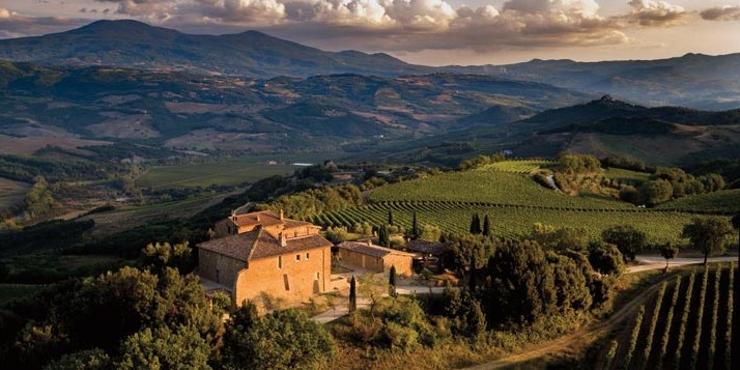
Mastrojanni
Mastrojanni, owned by the Illy family since 2008, cultivates 39 hectares in southeastern Montalcino near Castelnuovo dell'Abate, with 24 hectares dedicated to Sangiovese for their Brunello production from vineyards at 180-400 meters elevation with significant diurnal temperature shifts. Their traditional winemaking approach features extended aging in large Slavonian oak casks followed by prolonged bottle maturation, while sustainable vineyard practices with restricted yields create wines balancing power and elegance with notable aging potential.
Matrot
Domaine Matrot is a fifth-generation family estate in Meursault with 19 hectares of vineyards across the Côte de Beaune, producing primarily Chardonnay (80%) from limestone-clay soils, with notable premier cru holdings in Meursault Perrières and Charmes. Their winemaking balances traditional Burgundian methods with thoughtful refinements introduced by sisters Adèle and Elsa Matrot, including certified organic viticulture since 2013, minimal intervention techniques, and reduced new oak to preserve terroir expression.

Mayacamas
Mayacamas operates from its original 1888 stone winery on Mount Veeder, producing Cabernet Sauvignon and Chardonnay from 50 acres of high-elevation vineyards (1,800-2,400 feet) characterized by volcanic soils and dramatic temperature shifts. The winery maintains its historic approach through concrete tank fermentation and extended neutral oak aging, crafting structured, age-worthy wines that have earned cult status among California's top mountain-grown bottlings.

Meursault, Chateau de
Chateau de Meursault is a prominent estate in Burgundy, with origins dating back to the 11th century. It is known for Meursault wines that exhibit richness and complexity, often with a notable capacity for aging.
Meyney, Chateau
Château Meyney is a historic Saint-Estèphe estate spanning 51 hectares, producing structured Cabernet-dominant Bordeaux wines from mature vines planted on a distinctive gravel ridge with underlying blue clay near the Gironde estuary. The estate combines traditional methods with modern precision through plot-by-plot management, hand harvesting, and parcel-specific vinification, resulting in wines that honor the firm tannic character of Saint-Estèphe while achieving impressive integration with proper aging.
Michel Bouzereau
Domaine Michel Bouzereau et Fils is a family-owned Burgundian producer operating across 11 hectares in Meursault and Puligny-Montrachet, specializing in Chardonnay-based whites from limestone-clay soils across several premier cru sites. Under Jean-Baptiste Bouzereau's direction, the domaine employs traditional methods including hand harvesting, barrel fermentation with moderate new oak, and extended lees aging to create terroir-expressive wines that honor Burgundy's classic winemaking heritage.
Michel Gros, Domaine
Domaine Michel Gros is a fourth-generation family estate in Vosne-Romanée managing 23 hectares across the Côte de Nuits, primarily producing Pinot Noir from limestone-clay soils, including their monopole Clos des Réas which has been family-owned since 1860. Their winemaking balances traditional Burgundian methods with selective modern techniques, featuring sustainable viticulture, careful sorting, and judicious oak aging tailored to each wine's classification to faithfully express their terroirs.
Michel Niellon, Domaine
Michel Niellon, a Chassagne-Montrachet producer, creates Chardonnay that embodies the richness and minerality of the appellation, with a reputation for finesse and aging potential.

Michelot, Domaine
Domaine Michelot is a family-owned Burgundian estate managing 19 hectares of vineyards primarily in Meursault, focusing on Chardonnay production from limestone and clay soils across premier cru sites including Genevrières, Charmes, and Les Perrières. Their winemaking balances traditional Burgundian methods with thoughtful refinements, employing extended lees aging, measured oak influence, and sustainable viticulture to preserve the transparent expression of their mature vineyard sites.

Mogador, Clos
Clos Mogador is a family-owned pioneer of Priorat's revival, operating 20 hectares of steep, terraced vineyards in Gratallops where Garnacha and Cariñena vines grow in the region's characteristic llicorella slate soils. The estate, recognized as the first Vi de Finca Qualificada in Priorat, maintains traditional methods through organic farming practices and minimal intervention winemaking while balancing historical reverence with technical precision across generations of the Barbier family.

Monbousquet, Chateau
Château Monbousquet, in Saint-Émilion, produces modern, opulent wines that are rich in Merlot, with a lush, approachable style that has garnered a loyal following.
Monbrison, Chateau
Château Monbrison, a Margaux estate, offers Cabernet Sauvignon-led wines that are known for their classic elegance, structure, and aromatic complexity.
Mondavi
Robert Mondavi Winery, established in 1966 and now owned by Constellation Brands, operates 450 acres of vineyards across Napa Valley, including the historic To Kalon Vineyard in Oakville, producing a tiered portfolio centered on Cabernet Sauvignon and Fumé Blanc (Sauvignon Blanc). Their winemaking philosophy blends European traditions with California innovation through small-lot fermentation and extensive barrel aging programs, continuing the legacy of founder Robert Mondavi, whose vision helped elevate Napa Valley wines to global prominence.
Mongeard Mugneret
Domaine Mongeard-Mugneret is a family-owned Burgundy estate spanning 30 hectares across the Côte de Nuits, with holdings in prestigious Grand and Premier Cru vineyards where they produce primarily Pinot Noir wines from limestone-clay soils and vines averaging 40-50 years old. Their winemaking balances traditional methods with practical adaptations, employing partial whole-cluster fermentation and scaled oak aging protocols that respect the hierarchy of Burgundian appellations while maintaining a focus on vineyard expression over cellar intervention.
Mont-Olivet, Clos du
Clos du Mont-Olivet is a four-generation family estate in France's Southern Rhône, producing traditional Grenache-based wines from Châteauneuf-du-Pape, Lirac, and Côtes du Rhône, where their old vines thrive in distinctive galets roulés and limestone soils. Their winemaking philosophy emphasizes minimal intervention with hand harvesting, concrete fermentation vessels, and aging in large neutral oak foudres to preserve the pure expression of their historic terroirs.
Mont-Redon, Chateau
Château Mont-Redon is a historic Southern Rhône estate spanning 186 hectares across Châteauneuf-du-Pape, Lirac, and Côtes du Rhône, where they craft traditional wines from galets roulés-covered vineyards with vines averaging 40 years old. Their winemaking balances time-honored methods with thoughtful modernization, maintaining all 13 traditional grape varieties while implementing gravity-flow systems and sustainable vineyard practices that honor the region's heritage.

Montille, Maison de
Domaine de Montille is a highly respected winery located in the Burgundy region of France. Established in the early 18th century, the estate focuses on producing exceptional Pinot Noir and Chardonnay wines that capture the unique terroir of the region. Domaine de Montille is committed to biodynamic farming and minimal intervention winemaking, resulting in wines that are elegant, expressive, and age-worthy. The wines are highly sought after for their balance, depth, and complexity, making them a favorite among collectors and connoisseurs.

Mordoree, Domaine de la
Domaine de la Mordorée is a 60-hectare family estate in the southern Rhône Valley with significant holdings in Châteauneuf-du-Pape and Tavel, producing traditional Grenache-based reds and distinguished rosés from vineyards characterized by heat-retaining galets roulés and limestone-sandy soils. Their winemaking philosophy emphasizes certified organic viticulture, hand harvesting, and minimal intervention during vinification in concrete and oak vessels, preserving the authentic expression of each appellation while maintaining the region's time-honored traditions.

Moss Wood
Moss Wood, one of Margaret River's founding estates established in 1969, encompasses 18.5 hectares across three sites in Western Australia's Wilyabrup sub-region, where Mediterranean climate and gravelly loam soils support their focused portfolio of Cabernet Sauvignon, Chardonnay and Semillon. Under the consistent leadership of Keith and Clare Mugford since 1985, the winery balances traditional methods with careful modernization, emphasizing hand-harvesting, meticulous fruit selection, and sustainable vineyard practices to create wines that authentically express their exceptional terroir.

Mount Eden Vineyards
Mount Eden Vineyards in the Santa Cruz Mountains is known for its Burgundian-style Chardonnay and Pinot Noir, as well as Bordeaux-style Cabernet Sauvignon.
Muga, Bodegas
Bodegas Muga, located in Rioja, Spain, has been a bastion of traditional winemaking since the 1930s. Their Tempranillo-led wines are aged in oak barrels crafted in their own cooperage, ensuring a signature style of depth and complexity.
Muller-Catoir
Müller-Catoir is a ninth-generation family estate in Haardt, Pfalz, cultivating 21 hectares of predominantly Riesling vineyards on the eastern slopes of the Haardt mountains, where sandstone soils with loam, basalt and gravel elements provide distinctive mineral expressions. Their biodynamic viticulture (certified since 2009) and minimal-intervention winemaking approach emphasize spontaneous fermentation with native yeasts primarily in stainless steel, producing wines characterized by exceptional clarity, precision and authentic terroir expression.
Nalys, Domaine de
Domaine de Nalys is a historic Châteauneuf-du-Pape estate spanning 50 hectares across three distinct terroirs of galets roulés, sand, and limestone, now owned by the Guigal family who produce both red wines (primarily from Grenache, Syrah, and Mourvèdre) and whites from all thirteen permitted varieties. Their winemaking combines traditional hand-harvesting with modern temperature-controlled fermentation, aging their Grand Vin in a combination of oak barrels and concrete vessels while maintaining the estate's distinctive character that dates back to 1633.
Nenin, Chateau
Château Nénin in Pomerol, Bordeaux, is recognized for producing Merlot and Cabernet Franc wines that are velvety, rich, and structured, with the potential to age gracefully.
Nerthe, Chateau La
Château La Nerthe, one of Châteauneuf-du-Pape's oldest estates dating to 1560, cultivates all 13 permitted varieties across 90 hectares of diverse terroir featuring the region's characteristic galets roulés alongside sand, clay, and limestone soils. The estate combines traditional methods with thoughtful modernization, maintaining organic certification since 1998 while utilizing gravity-flow systems and aging wines in their historic 16th-century underground cellar that provides natural temperature control.
Neudorf
Founded in 1978 by the Finn family, Neudorf Vineyards is a 30-hectare Nelson estate specializing in Chardonnay and Pinot Noir grown on well-draining Moutere clay soils in a maritime climate. Their minimal-intervention approach features indigenous yeast fermentation, French oak aging, and sustainable farming practices that have consistently prioritized vineyard expression over winemaker intervention throughout their four-decade history.
Nicolas Potel
Nicolas Potel operates Domaine de Bellene and Maison Roche de Bellene from Beaune, managing 22 hectares of predominantly old-vine vineyards across the Côte de Beaune and Côte de Nuits, focusing on site-specific expressions of Pinot Noir and Chardonnay. His winemaking combines traditional methods with thoughtful modern practices, including sustainable viticulture, indigenous yeast fermentations, and carefully calibrated oak aging that preserves the authentic character of each terroir.
Nicole Lamarche, Domaine
Domaine Nicole Lamarche in Burgundy produces wines that are respected for their purity and expression of place, particularly from the Vosne-Romanée appellation.
O'Shaughnessy
O'Shaughnessy Estate Winery is a family-owned Napa Valley producer established in 1996, crafting terroir-driven Cabernet Sauvignon from three distinct vineyard estates, including high-elevation sites on Howell Mountain and Mount Veeder with volcanic and sedimentary soils. The winery maintains a balanced approach between traditional techniques and modern precision under longtime winemaker Sean Capiaux, fermenting fruit in small lots using both stainless steel and concrete vessels before aging in French oak to express the distinctive character of their mountain vineyards.

Oddero, Poderi Colla
Poderi Colla is a family-owned Piedmontese estate with 25 hectares across three distinct terroirs in Barolo, Barbaresco, and Alba, focusing primarily on Nebbiolo grown on limestone-rich marl soils at varying elevations. Their winemaking balances tradition with precision through sustainable farming, extended macerations, and aging in large Slavonian oak casks rather than small barriques, with separate vinification of each vineyard parcel to preserve authentic terroir expression.
Olivier Leflaive, Maison
Olivier Leflaive is known for his white Burgundy wines, particularly from Puligny-Montrachet and Chassagne-Montrachet, that offer a benchmark for quality in the region.

Ormes de Pez, Chateau
Château Ormes de Pez is a 40-hectare Saint-Estèphe estate in Bordeaux's northern Médoc, owned by the Cazes family since 1940, producing structured Cabernet Sauvignon-dominant wines from gravelly, clay-limestone soils that benefit from the Gironde estuary's moderating influence. The estate maintains traditional Bordeaux winemaking principles while implementing modern techniques like temperature-controlled fermentation and parcel-by-parcel vinification, aging their wines 12-15 months in French oak to express the appellation's characteristic firm structure and earthy mineral notes.

Paitin
Paitin, a producer in Piedmont, Italy, is recognized for Barbaresco that balances tradition and modernity, with Nebbiolo wines that are both accessible and age-worthy.
Palacios Remondo
Palacios Remondo is a family-owned winery in Rioja Oriental operating across 100 hectares on Monte Yerga's slopes, where clay-limestone soils and elevations of 550-650 meters provide ideal conditions for their Garnacha-focused portfolio. Under Alvaro Palacios' direction since 2000, the estate employs organic farming, manual harvesting, and indigenous yeast fermentation in concrete and wooden vessels, balancing traditional methods with thoughtful innovation to express the authentic character of their terroir.

Paolo Conterno
Paolo Conterno is a fourth-generation family estate in Monforte d'Alba operating 10 hectares of prime vineyards in the Ginestra cru, where calcareous marl soils and south-facing slopes between 300-350 meters provide ideal conditions for their Nebbiolo-focused production. Their traditional winemaking approach includes concrete tank fermentation and aging in large Slavonian oak casks, continuing methods that have defined their wines since their 1886 founding.

Paolo Scavino
Paolo Scavino is a fourth-generation family estate founded in 1921 in Castiglione Falletto, cultivating 30 hectares across six Barolo communes to produce primarily Nebbiolo-based wines from diverse calcareous marl soils. Their winemaking balances tradition with measured innovation, featuring seven distinct single-vineyard Barolo bottlings that showcase site-specific expression while maintaining classic Piedmontese variety diversity through additional Barbera, Dolcetto, and regional wines.

Papes, Clos des
Clos des Papes, a third-generation family estate founded in 1896 in Châteauneuf-du-Pape, produces red and white wines from 35 hectares of vineyards spread across 24 parcels featuring galets roulés over red clay soils. Under Paul-Vincent Avril's leadership, the estate maintains traditional methods including whole-cluster fermentation and aging in old foudres, while following organic practices across their holdings.
Parent, Domaine
Domaine Parent is a twelfth-generation family estate in Pommard with 10 hectares of vineyards across the Côte de Beaune, focusing primarily on Pinot Noir from limestone-clay soils with vines averaging 30-60 years old. The estate, led by sisters Anne and Catherine Parent since 1998, maintains traditional Burgundian practices including hand harvesting and native yeast fermentations while embracing organic viticulture, achieving certification in 2013.
Parker Coonawarra Estate
Parker Coonawarra Estate operates a 25-hectare vineyard on South Australia's Terra Rossa strip, focusing primarily on Cabernet Sauvignon that expresses the distinctive mineral qualities of the region's brick-red soil over limestone and cool maritime climate. Their winemaking balances traditional methods with modern precision, maintaining a classic approach through careful hand-sorting, open-top fermentation for premium wines, and extended French oak maturation that preserves the characteristic mint and blackcurrant flavor profile of Coonawarra Cabernet.
Parusso
Parusso is a fourth-generation family estate managing 28 hectares of vineyards across prestigious crus in Monforte d'Alba, producing primarily Nebbiolo-based Barolo from calcareous clay soils at 300-400 meters elevation. Their winemaking balances tradition with selective innovation, employing hand harvesting, submerged cap fermentation for their Barolos, and an aging program that combines French barriques with larger traditional barrels while maintaining minimal intervention in the vineyards.
Patrick Javillier
Domaine Patrick Javillier is a family-owned estate in Meursault, Burgundy, managing 10 hectares of predominantly Chardonnay vineyards across varied terroirs, from high-elevation limestone sites to clay-rich lower parcels that create their acclaimed village-level wines. Their distinctive winemaking approach combines traditional methods with an innovative aging technique that ferments portions of the same cuvée separately in oak and stainless steel before blending, balancing richness with precision while maintaining faithful expressions of Burgundian terroir.
Paul Autard, Domaine
Paul Autard is a dynamic Châteauneuf-du-Pape producer whose wines are known for marrying power with elegance, a quality refined over the years since the family's winemaking began in the late 20th century.

Paul Bara
Paul Bara is a family-owned grower-producer managing 11 hectares of Grand Cru vineyards in Bouzy, where south-facing slopes and chalky-clay soils produce powerful Pinot Noir-dominant Champagnes that express their Montagne de Reims terroir. Their traditional approach includes hand harvesting, gentle pressing in a Coquard press, complete malolactic fermentation, and extended lees aging well beyond minimum requirements, maintaining production methods that have remained largely unchanged for generations.
Paul Pillot
Paul Pillot runs a respected domain in Chassagne-Montrachet, Burgundy, producing Chardonnay that stands out for its structure and longevity, a reflection of the Pillot family's winemaking philosophy since the early 1900s.

Pavie Decesse, Chateau
Château Pavie Decesse, a Grand Cru Classé from Saint-Émilion, offers wines that are luxuriously rich and concentrated, reflecting the estate's prime terroir on the limestone plateau.

Pavie Macquin, Chateau
Château Pavie Macquin, located on the limestone plateau of Saint-Émilion in Bordeaux, France, is a Premier Grand Cru Classé estate known for its rich and opulent Merlot-dominant wines. The vineyards of Pavie Macquin enjoy an exceptional terroir characterized by its limestone-clay soils, which contribute to the depth, minerality, and finesse of its wines.
Pertimali (Livio Sassetti)
Pertimali is a century-old family estate in northern Montalcino where Lorenzo Sassetti oversees 16 hectares of high-elevation vineyards (350-400m) on galestro and clay soils, producing a focused portfolio of traditional Sangiovese wines. Their winemaking balances modern fermentation techniques with strictly traditional aging in large Slavonian oak casks, preserving Sangiovese's distinctive character while allowing for the slow, graceful development that defines classic Brunello.
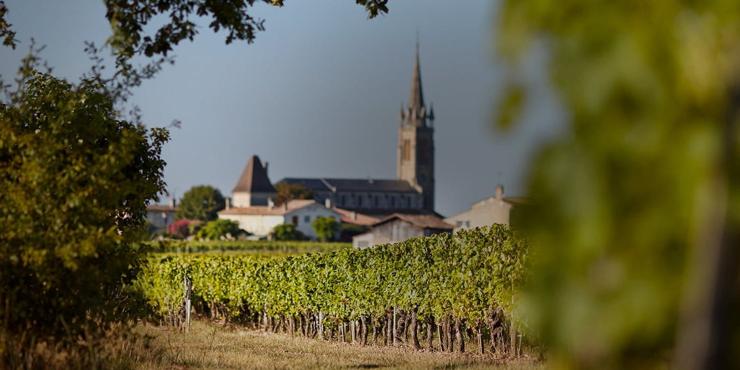
Petit-Village, Chateau
Château Petit-Village is a historic 10.5-hectare Pomerol estate on the Right Bank plateau producing Merlot-dominant Bordeaux blends from complex gravel, clay, and iron-rich soils neighboring prestigious properties like La Conseillante. The estate combines traditional methods with precise techniques, including hand-harvesting, parcel-by-parcel vinification in temperature-controlled tanks, and 15-18 month aging in French oak barrels while maintaining sustainable viticulture practices that express their specific terroir.

Petrolo
Petrolo is a family-owned estate in Tuscany's Val d'Arno di Sopra where the Bazzocchi family produces approximately 90,000 bottles annually from 31 hectares of vineyards planted on galestro, alberese, and sandstone soils at 300-450 meters elevation. Certified organic since 2016, the estate combines traditional and innovative techniques, including concrete and wooden fermentation vessels, French oak aging, and terracotta amphorae, while balancing their Sangiovese-focused portfolio with the acclaimed single-vineyard Merlot, Galatrona.
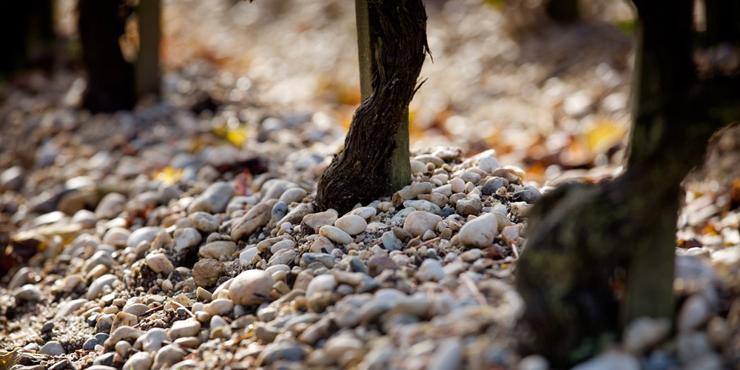
Phelan Segur, Chateau
Château Phélan Ségur operates a 70-hectare estate in Saint-Estèphe on Bordeaux's Left Bank, producing structured Cabernet Sauvignon-dominant wines from gravelly soils with clay-rich subsoils near the temperature-moderating Gironde estuary. The estate maintains traditional Bordeaux winemaking methods with hand-harvesting, parcel-specific vinification in temperature-controlled vats, and 18-month aging in French oak barrels while practicing sustainable viticulture that emphasizes biodiversity and minimal intervention.
Philippe Charlopin-Parizot, Domaine
Domaine Philippe Charlopin-Parizot is a family estate in Gevrey-Chambertin with 25 hectares of vineyards across the Côte d'Or, producing Pinot Noir and Chardonnay wines from limestone and clay soils in prestigious appellations including several grand crus. Following the teachings of mentor Henri Jayer, the domaine employs traditional Burgundian methods including high-density planting, hand harvesting, careful fruit selection, and judicious oak aging to express the distinctive character of each terroir.
Philippe Colin
Philippe Colin operates a boutique 6-hectare family domaine in Chassagne-Montrachet, crafting primarily Chardonnay wines from exceptional limestone-clay vineyard holdings including parcels in Chevalier-Montrachet and Bâtard-Montrachet Grand Crus. His winemaking balances traditional Burgundian methods with careful precision, employing indigenous yeast fermentation, judicious oak aging, and regular bâtonnage to produce terroir-expressive wines that reflect the domaine's classic approach to Chassagne-Montrachet's diverse sites.

Philipponnat
Founded in 1910 in Mareuil-sur-Aÿ, Champagne, France, Champagne Philipponnat is a historic champagne house known for its Pinot Noir-dominant cuvées.
Pieropan
Pieropan is a fourth-generation family estate in Veneto's Soave Classico zone, cultivating 46 hectares of predominantly Garganega vineyards across distinctive volcanic and limestone terroirs, with their flagship wines coming from the historic Calvarino and La Rocca single vineyards. Their winemaking philosophy balances traditional methods like pergola training and cement tank fermentation with careful innovation, maintaining an unwavering focus on expressing Soave's classical character while operating from their gravity-flow facility built in 2015.
Pierre Bouree
Pierre Bourée Fils is a fifth-generation family-owned producer operating as both domaine and négociant from Gevrey-Chambertin since 1864, focusing primarily on traditional Pinot Noir wines from their holdings across the Côte de Nuits. Their winemaking philosophy emphasizes classic Burgundian methods including cold maceration and open-top fermentation, with a distinctive practice of extended cellar aging before release that allows their wines to develop maturity.

Pierre Damoy, Domaine
Domaine Pierre Damoy manages 11 hectares of prime Burgundian vineyards in Gevrey-Chambertin, including substantial Grand Cru holdings in Chambertin-Clos de Bèze, focusing exclusively on Pinot Noir from limestone-rich soils with vines averaging 40-60 years. The family-owned estate, led by Pierre-Jean Damoy since 1992, employs traditional methods including hand-harvesting, native yeast fermentations, and careful oak aging scaled by wine hierarchy, with minimal intervention to preserve terroir expression.
Pierre Gaillard
Pierre Gaillard operates a family-owned domaine based in Malleval in the northern Rhône Valley, focusing primarily on Syrah from premier terroirs across Côte-Rôtie, Condrieu, Saint-Joseph, and Cornas, with additional holdings in Roussillon and Languedoc. His winemaking balances traditional approaches with technical precision, applying his experience from established Rhône producers to create terroir-expressive wines through thoughtful vineyard management and measured oak aging programs tailored to each appellation.

Pierre Gimonnet & Fils
Pierre Gimonnet & Fils is a family-owned grower-producer in Cuis managing 28 hectares across the Côte des Blancs' chalky soils, specializing exclusively in Chardonnay-based champagnes from their grand cru and premier cru vineyards. Their winemaking combines temperature-controlled fermentation and extended lees aging with traditional methods focused on terroir expression.

Pierre Peters
Pierre Peters is a sixth-generation grower-producer managing 20 hectares of predominantly Grand Cru vineyards in the Côte des Blancs, specializing in Blanc de Blancs Champagnes from chalky soils in Le Mesnil-sur-Oger, Avize, Cramant, and Oger. Their winemaking combines traditional methods with innovation through their pioneering réserve perpétuelle solera system, extended lees aging, and plot-by-plot vineyard management that preserves the distinctive minerality and precision of their terroir.

Pierre Usseglio
Domaine Pierre Usseglio is a second-generation family estate in Châteauneuf-du-Pape with 24 hectares of vineyards across prestigious sites like La Crau and Piedlong, producing primarily Grenache-based wines from 80-year-old vines grown in the region's characteristic galets roulés. The Usseglio brothers maintain traditional methods including sustainable farming and manual harvesting while employing thoughtful adaptations in their winemaking, prioritizing terroir expression through careful blending and varied aging regimens tailored to each cuvée.
Pierro
Pierro is a boutique, family-owned winery established in 1979 by Dr. Michael Peterkin in Margaret River's Wilyabrup subregion, focusing on Chardonnay from 20 hectares of gravelly loam soils with maritime influence. The winery combines traditional methods with scientific precision derived from Dr. Peterkin's medical background, employing hand harvesting, whole-bunch pressing, barrel fermentation, and extended aging to create wines that honor both vineyard expression and established winemaking techniques.

Pio Cesare
Pio Cesare, a fifth-generation family estate founded in 1881, cultivates 75 hectares across Barolo and Barbaresco's prime growing zones, focusing primarily on Nebbiolo from strategically positioned vineyards with varied elevations and exposures. Their winemaking balances tradition and innovation through extended fermentations and a measured aging approach that combines French barriques with larger Slavonian oak casks in their historic Roman-era cellars beneath Alba.

Piper Heidsieck
Piper-Heidsieck is a prominent Champagne négociant based in Reims, France, sourcing grapes from across the region's diverse terroirs to produce a range of Pinot Noir-dominant blends alongside their Chardonnay-focused prestige cuvée Rare. The house balances traditional methods with modern precision through extended lees aging and stainless steel fermentation, maintaining their historic identity while evolving under the Descours family ownership with a renewed focus on quality and sustainability.

Poggione, Tenuta Il
Il Poggione, owned by the Franceschi family since the late 1800s, farms 125 hectares of Sangiovese vineyards on Montalcino's southern slopes at 150-450 meters, where Mediterranean breezes and temperature variations shape their Brunello production. The estate combines traditional methods like concrete fermentation tanks and Slavonian oak aging with modern technology in their 2004 winery, maintaining sustainable practices through Equalitas certification.

Pommery
Champagne Pommery, a historic house established in 1836 in Reims and now part of the Vranken-Pommery Monopole group, produces traditional champagnes from 25 hectares of estate vineyards across the chalky soils of Côte des Blancs and clay-limestone compositions of Montagne de Reims. The house maintains its revolutionary legacy as the creator of the first commercially successful brut champagne in 1874, aging its wines well beyond legal minimums in UNESCO-recognized chalk cellars while balancing traditional methods with sustainability initiatives.

Potensac, Chateau
Château Potensac is an 80-hectare estate in Ordonnac in the northern Médoc, owned by the Delon family (who also own Léoville Las Cases), producing structured Cabernet Sauvignon-Merlot blends from clay-limestone and gravelly soils with some vines exceeding 60 years. Their traditional approach combines plot-by-plot harvesting and temperature-controlled fermentation with moderate oak aging (30% new barrels for 14-16 months), earning them Cru Bourgeois Exceptionnel classification in 2020.

Pouget, Chateau
Château Pouget, positioned in the Margaux appellation of Bordeaux, holds the title of a Fourth Growth estate. Established in the 18th century, Pouget crafts Bordeaux blends that are a testament to Margaux's elegance, aromatic richness, and depth.
Poujeaux, Chateau
Château Poujeaux is a 70-hectare estate in Moulis-en-Médoc owned by the Cuvelier family since 2008, producing Cabernet Sauvignon and Merlot-based Bordeaux blends from diverse soils of gravel, clay-limestone, and sand. Their winemaking balances tradition with precision through plot-by-plot harvesting and measured oak influence, earning Cru Bourgeois Exceptionnel status while maintaining the structured yet accessible character typical of quality Médoc wines.

Pousse d'Or, Domaine de La
Domaine de La Pousse d'Or is a family-owned Burgundian estate managing 18 hectares across prestigious appellations in the Côte de Beaune and Côte de Nuits, focusing primarily on terroir-expressive Pinot Noir from limestone and clay soils with vines averaging 35-50 years. Their winemaking balances tradition with careful modernization through gravity-flow systems, sustainable farming practices, selective harvesting, and French oak aging while maintaining low yields and gentle extraction to emphasize site-specific expression.

Prieure-Lichine, Chateau
Château Prieuré-Lichine is a historic Fourth Growth estate in Margaux operating across 77.5 hectares of deep Quaternary gravel soils, producing Cabernet Sauvignon-dominant Bordeaux blends from vineyards planted at high density with an average vine age of 30 years. The estate combines traditional Bordeaux winemaking methods with precise parcel-by-parcel vinification in their modern winery, aging their wines for 16-18 months in French oak while maintaining sustainable viticulture practices that honor their classified growth status.

Prunotto
Prunotto, owned by the Antinori family since 1994, cultivates 65 hectares across Piedmont's premier growing areas, focusing on Nebbiolo-based wines from their prized Bussia vineyard in Barolo and Bric Turot in Barbaresco with their distinctive calcareous-clay and bluish-gray marl soils. Their winemaking balances traditional Piedmontese methods with modern techniques, employing hand harvesting with double sorting, gravity-flow systems, and tailored aging regimens that honor regional heritage while refining production methods.

Quinault L'Enclos, Chateau
Château Quinault L'Enclos is a 19-hectare Saint-Émilion Grand Cru estate located near Libourne and the Pomerol border, producing Merlot-dominant Bordeaux blends from gravelly soils with sand and clay elements. Under the precise management of Pierre Lurton and LVMH-Frère ownership since 2008, the estate balances traditional Saint-Émilion winemaking with contemporary techniques, including hand harvesting, temperature-controlled fermentation, and carefully calibrated oak aging.
Rapet, Domaine
Domaine Rapet is a family-owned estate dating to 1765, farming 20 hectares across the northern Côte de Beaune with prized Grand Cru parcels on the Hill of Corton, where iron-rich soils and white marl contribute to their structured Pinot Noir and mineral-driven Chardonnay. Their winemaking balances tradition with careful innovation, employing sustainable viticulture, hand-harvesting, and judicious oak aging to create wines that transparently express their historic Burgundian terroirs.

Rauzan-Gassies, Chateau
Château Rauzan-Gassies, settled in Margaux, is celebrated as a Second Growth estate. Established in the 17th century, the château is renowned for its Bordeaux blends that beautifully epitomize the elegance, structure, and aromatic charm of Margaux.

Rauzan-Segla, Chateau
Château Rauzan-Ségla, a 74-hectare Second Growth estate in Margaux owned by Chanel since 1994, produces Cabernet Sauvignon-led Bordeaux blends from deep gravel and clay-limestone soils on the appellation's prime plateau. The estate combines traditional methods like hand-harvesting and gravity-flow winemaking with modern precision under Nicolas Audebert's direction, creating wines that consistently outperform their classification level while maintaining relative value.
Raymond Usseglio, Domaine
Domaine Raymond Usseglio & Fils, a Rhône Valley producer, is known for its Châteauneuf-du-Pape wines that combine richness with finesse, continuing a family legacy that began in the mid-20th century.

Reichsrat von Buhl
Reichsrat von Buhl operates 62 hectares of prime vineyards in Germany's Pfalz region, focusing predominantly on Riesling from prestigious sites in Forst and Deidesheim with distinctive basalt, sandstone, and limestone soils. The estate combines traditional winemaking methods using indigenous yeasts and large neutral oak casks with certified organic viticulture since 2015, emphasizing minimal intervention to preserve terroir expression and structural elements that support their wines' aging potential.
Remelluri
Remelluri, an estate in Rioja, Spain, has a winemaking history that can be traced back to the 14th century, and is known for wines that showcase the terroir's potential for complexity and longevity.
Remirez de Ganuza
Founded in 1989 by Fernando Remirez de Ganuza, this boutique Rioja Alavesa producer crafts primarily Tempranillo-based wines from 80 hectares of old vineyards across Samaniego, Leza, Elciego, and Laguardia, where calcareous clay soils and high elevations contribute to the wines' character. Their innovative approach includes separating grape bunches into shoulders and tips for different quality tiers, while honoring traditional Rioja classifications through extended aging protocols that exceed regulatory requirements.
Remoissenet Pere & Fils
Remoissenet Pere & Fils is a historic Beaune-based négociant founded in 1877, now under American ownership with modest vineyard holdings, producing Pinot Noir and Chardonnay wines from over 30 Burgundian appellations. The producer maintains traditional Burgundian winemaking methods while implementing quality-focused improvements, distinguished by its exceptional library of older vintages dating back to the 1950s.
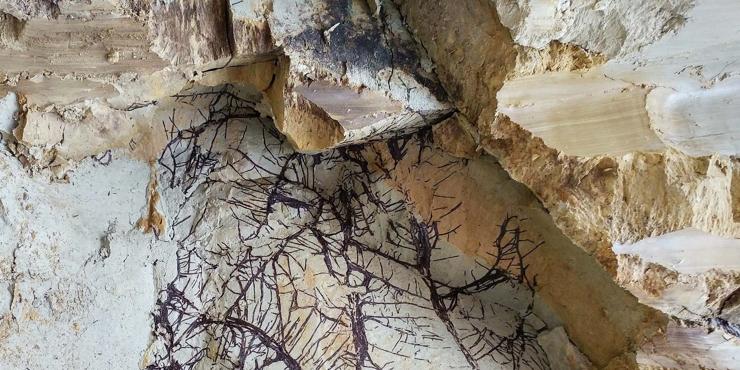
Renato Corino
Renato Corino is a family-operated Barolo specialist established in 2005, working with Nebbiolo from prized La Morra vineyards including Arborina, Rocche dell'Annunziata, and Giachini, where calcareous-clay soils at 300-400 meters elevation shape the wines' character. The estate balances traditional methods with selective modern techniques, employing temperature-controlled fermentation and French oak aging while maintaining hand harvesting and sustainable practices that allow La Morra's distinctive terroir to speak through each bottling.
Renato Ratti
Renato Ratti is a family-owned Barolo producer operating from a 13th-century former monastery in La Morra, with 35 hectares of vineyards across prime sites including the prestigious Rocche dell'Annunziata cru, where south-facing calcareous marl soils contribute to their elegant, terroir-expressive Nebbiolo wines. Their winemaking philosophy balances traditional methods like hand harvesting and aging in large Slavonian oak casks with modern elements such as temperature-controlled fermentation, continuing the founder's influential approach that maintains Barolo's classic structure while enhancing approachability.
Renieri
Renieri is a 128-hectare estate in southern Montalcino where owner Marco Bacci cultivates 30 hectares of predominantly Sangiovese vineyards on galestro and limestone soils at 320-420 meters elevation, producing Brunello di Montalcino DOCG and complementary international varietals. Their winemaking balances traditional Montalcino methods with modern precision techniques, featuring hand harvesting, temperature-controlled fermentation, and thoughtful oak aging that honors DOCG regulations while maximizing the expression of their distinctive southern terroir.

Revello, Fratelli
Fratelli Revello is a family-owned estate in La Morra's Annunziata zone producing approximately 40,000 bottles annually from 8 hectares of calcareous marl vineyards, focusing primarily on Barolo from prized crus including Rocche dell'Annunziata and Conca dell'Annunziata. Their winemaking balances traditional terroir expression with thoughtful modernization, fermenting in temperature-controlled stainless steel before aging their Barolos in a combination of French barriques and larger Slavonian oak casks for 24-30 months.
Riche, Le
Le Riche is a boutique family winery in Stellenbosch producing around 10,000 cases annually, specializing in Cabernet Sauvignon from carefully selected vineyards with decomposed granite and sandstone soils at 200-400 meters elevation. Their traditional approach features hand-sorting, open-top fermentation, extended maceration periods, and extended oak aging, with their Reserve Cabernet receiving 24 months in predominantly new French oak barrels.
Riecine
Riecine is a 20-hectare Chianti Classico estate in Gaiole's high-elevation hills (450-500m), focusing primarily on Sangiovese grown in galestro and alberese soils under certified organic management. Their traditional approach includes hand harvesting, indigenous yeast fermentation, and judicious oak aging, while their pioneering work with 100% Sangiovese wines helped elevate the region's quality standards.
Rieussec, Chateau
Château Rieussec, an 84-hectare First Growth Sauternes estate in Fargues bordering Château d'Yquem, produces noble sweet wines from limestone-clay soils using predominantly Sémillon (90%) with Sauvignon Blanc and Muscadelle. The estate, owned by Domaines Barons de Rothschild since 1984, maintains traditional Sauternes methods with multiple selective harvests and 18-24 months aging in French oak, while implementing modern precision in both vineyard management and winemaking.
Robert Chevillon, Domaine
Domaine Robert Chevillon is a family-owned estate in Nuits-Saint-Georges managed by brothers Denis and Bertrand Chevillon, cultivating 13 hectares across eight premier cru vineyards with 40-80 year old vines in the appellation's characteristic limestone and clay soils. Their traditional approach includes manual plowing, native yeast fermentations in open-top wooden vats, and 18-20 month aging in French oak barrels, resulting in terroir-specific expressions of Pinot Noir that honor Burgundian winemaking heritage.

Robert Groffier
Domaine Robert Groffier is a three-generation family estate in Morey-Saint-Denis with 7 hectares of prestigious holdings, including parcels in Chambertin Clos de Bèze and Bonnes-Mares Grand Crus, producing primarily Pinot Noir from limestone-clay soils with vines averaging 40 years. Their winemaking balances traditional Burgundian methods with careful modern refinements, featuring partial whole-cluster fermentation, judicious oak aging, and minimal intervention practices that honor terroir expression while maintaining the estate's classic approach across generations.

Rocca di Montegrossi
Rocca di Montegrossi, owned by Baron Ricasoli's direct descendant Marco Ricasoli-Firidolfi, cultivates 20 hectares of predominantly Sangiovese vineyards at 340-510 meters elevation in Gaiole in Chianti, producing a focused portfolio centered on Chianti Classico. The estate combines historical significance with certified organic viticulture, indigenous yeast fermentations, and traditional aging in Slavonian oak casks, maintaining an eight-century family legacy that dates to 1141.
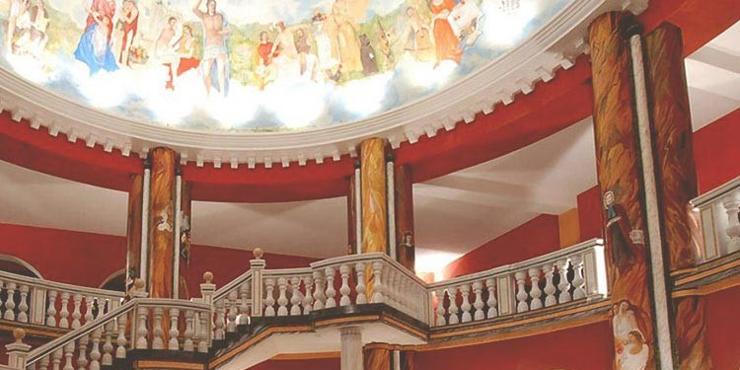
Rocche Dei Manzoni
Rocche Dei Manzoni is a 15-hectare family estate in Monforte d'Alba's Barolo region, focusing on Nebbiolo from their prized Manzoni Soprani and Mosconi crus, where calcareous marl and clay-rich soils at 300-400 meters elevation shape their distinctive wines. Their winemaking balances traditional methods with thoughtful innovation, featuring extended aging protocols that exceed DOCG requirements while maintaining the pioneering spirit that led to Langhe's first traditional method sparkling wine in 1978.

Roche de Bellene, Maison
Maison Roche de Bellene is a Burgundian négociant founded in 2009 by Nicolas Potel, operating from Beaune and sourcing Pinot Noir and Chardonnay from quality vineyards throughout the limestone-rich soils of Burgundy's key appellations. Potel's winemaking emphasizes minimal intervention and traditional Burgundian methods, with carefully calibrated oak aging and indigenous yeast fermentation that honors terroir expression while maintaining consistent quality across multiple tiers, from village wines to grand crus.
Roda
Bodegas Roda is a medium-sized producer established in 1987 in Haro's historic Barrio de la Estación, managing 120 hectares across Rioja Alta and Rioja Alavesa where they craft primarily Tempranillo-based wines from old vines grown on diverse limestone-clay, sandy-clay, and alluvial soils. Their winemaking balances traditional elements with modern precision through extensive research on Tempranillo biotypes, separate vinification of vineyard plots, and aging in French oak, maintaining Rioja's classical varietal focus while employing scientific rigor in both vineyard and cellar.

Roger Sabon
Roger Sabon in Châteauneuf-du-Pape is known for Grenache-based blends that are rich and textured, often showcasing the best of what the appellation has to offer.
Rossignol-Trapet, Domaine
Domaine Rossignol-Trapet is a fifth-generation family estate in Gevrey-Chambertin with 14 hectares of limestone-clay vineyards, including prestigious Grand Cru parcels, dedicated exclusively to Pinot Noir production. The brothers employ traditional Burgundian methods including hand harvesting, native yeast fermentations, and judicious oak aging, while their commitment to biodynamic viticulture since 2004 reflects their balanced approach to honoring heritage while ensuring sustainability.
Rouget, Chateau
Château Rouget is a historic Pomerol estate of 18 hectares owned by the Labruyère family since 1992, producing around 50,000 bottles annually from 40-year-old Merlot and Cabernet Franc vines planted in the region's characteristic clay, gravel, and iron-rich soils. Their winemaking combines traditional methods with modern precision through hand-harvesting, parcel-by-parcel vinification, and 18 months of aging in French oak, reflecting their commitment to expressing Pomerol's distinctive terroir while respecting the estate's historical significance.

Saint Cosme, Chateau de
Château de Saint Cosme, located in Gigondas, is the Rhône Valley's oldest estate, producing Syrah-based wines known for their robust character and spicy profile.
Saint Prefert, Domaine
Domaine Saint Préfert is a 13.2-hectare estate in Châteauneuf-du-Pape's southern sector, producing Grenache-dominant wines from 70-year-old vines grown in the region's characteristic galets roulés over clay-limestone soils. Under Isabel Ferrando's direction since 2003, the domaine maintains traditional winemaking methods including concrete fermentation and neutral vessel aging while embracing biodynamic farming principles, continuing the estate's century-old commitment to quality and appellation authenticity.

Saint-Pierre, Chateau
Château Saint-Pierre is a 17-hectare Fourth Growth estate in Saint-Julien's heart, owned by the Triaud family, producing a single grand vin from Cabernet-dominant vineyards planted on classic Garonne gravel soils over clay-limestone subsoils. The estate combines traditional methods like candlelight racking and hand harvesting with modern temperature-controlled fermentation, aging wines 14-18 months in French oak while maintaining sustainable farming practices that preserve their historic terroir expression.

San Giusto a Rentennano
San Giusto a Rentennano is a family-owned estate in Gaiole in Chianti with 31 hectares of vineyards at 270-340 meters elevation, producing primarily Sangiovese-based wines from galestro and alberese soils with advantageous south/southwest exposures. Their winemaking balances tradition with selective innovation, employing sustainable practices, hand harvesting with double selection, and varied aging protocols in both Slavonian oak casks and French barriques to express their distinctive terroir.
San Roman
Founded by legendary winemaker Mariano García in 1997, San Román is a family-owned estate in Spain's Toro region producing powerful yet elegant Tinta de Toro wines from 30-100 year old vines planted in sandy-clay soils across four municipalities. The García family maintains traditional methods with technical precision, harvesting meticulously by hand from low-yielding vineyards and employing extended oak aging to create structured wines that honor the region's heritage while elevating its reputation.
Sandeman
Sandeman, a historic Port house founded in 1790 and now owned by Sogrape Vineyards, produces a comprehensive range of Port styles and Douro DOC wines from its 99-hectare Quinta do Seixo estate in the Cima Corgo subregion, where traditional Portuguese varieties grow on steep, schist-dominant slopes. The producer maintains classic Port traditions like foot treading in granite lagares, traditional aging protocols for different Port styles, and the solera system for Aged Tawnies, while thoughtfully incorporating modern innovations like robotic lagares and sustainable vineyard practices.

Santa Duc, Domaine
Domaine Santa Duc is a fifth-generation family estate in the Southern Rhône Valley managing 25 hectares primarily in Gigondas, where they craft Grenache-dominant blends from diverse terroirs ranging from 100-450 meters in elevation across limestone, clay, and sandy soils. Their classic approach combines certified organic farming with traditional winemaking techniques—including native yeast fermentations, extended macerations, and aging in large foudres—while Benjamin Gras thoughtfully adapts practices like earlier harvesting to maintain freshness in a warming climate.
Schlossgut Diel
Schlossgut Diel is a family-owned estate in the Nahe region's Burg Layen village, cultivating 22 hectares across three VDP.Grosse Lage vineyards where Riesling thrives in varied slate-based soils on steep south-facing slopes. Under Caroline Diel's leadership since 2006, the estate combines sustainable viticulture with traditional wooden cask aging and modern fermentation techniques, maintaining a structured portfolio that authentically expresses their historic terroir through both dry and noble sweet expressions.
Serafin Pere et Fils
Domaine Serafin Pere et Fils is a small family-owned Burgundian estate in Gevrey-Chambertin with 5.5 hectares of old-vine Pinot Noir plantings across prestigious terroirs, including parcels in Charmes-Chambertin Grand Cru and several Premier Crus. Their traditional winemaking approach features late harvesting for optimal ripeness, indigenous yeast fermentations, extended macerations, and patient oak aging—techniques maintained through three generations while respecting the classic Burgundian expression of their limestone-clay soils.
Servin, Domaine
Domaine Servin, a seven-generation family estate dating to 1654, cultivates 35 hectares across all Chablis appellations on Kimmeridgian limestone soils, producing exclusively Chardonnay wines from vineyards that include four Grand Cru and several Premier Cru sites. Their winemaking balances tradition with selective modernization, using stainless steel for entry-level wines while employing judicious oak aging for Premier and Grand Crus to build complexity while maintaining the bright acidity and pronounced minerality characteristic of classic Chablis.

Sierra Cantabria
Bodegas Sierra Cantabria is a respected winery located in the Rioja region of Spain. The estate is known for producing high-quality Tempranillo-based red wines.

Sigalas Rabaud, Chateau
Château Sigalas-Rabaud is a Premier Cru Classé Sauternes estate spanning 14 hectares at the appellation's highest elevation point in Fargues, where the de Lambert family has produced sweet wines from Sémillon and Sauvignon Blanc on gravelly limestone soils since 1863. The estate, led by Laure de Lambert Compeyrot, maintains traditional Sauternes methods with careful selection of botrytized grapes and 18-24 month barrel aging in French oak.
Simon Bize
Domaine Simon Bize et Fils is a 22-hectare family estate in Burgundy's Savigny-lès-Beaune, producing primarily Pinot Noir (80%) and Chardonnay (20%) from clay-limestone soils, with many vines exceeding 60 years of age. Their winemaking follows traditional Burgundian methods—hand-harvesting, partial destemming, native yeast fermentation in open-top wooden vats, and extended barrel aging with minimal intervention—preserving the distinct mineral signatures of each vineyard site.

Siran, Chateau
Château Siran, a Margaux estate with a history that spans several centuries, offers elegant and aromatic Bordeaux wines that reflect the appellation's esteemed terroir.

Siro Pacenti
Siro Pacenti is a 22-hectare family estate in Brunello di Montalcino operated by Giancarlo Pacenti, producing exclusively Sangiovese wines from strategically positioned vineyards spanning both northern and southern Montalcino with diverse elevations and soil compositions. The winery combines traditional Montalcino methods with modern precision through rigorous selection practices, extended maceration periods, and a thoughtful aging program that blends Slavonian and French oak, resulting in wines that authentically express their terroir while achieving remarkable aging potential.
Sociando-Mallet, Chateau
Château Sociando-Mallet is an unclassified 83-hectare Haut-Médoc estate near Saint-Seurin-de-Cadourne, producing structured Bordeaux blends from Merlot, Cabernet Sauvignon, and Cabernet Franc grown on elevated gravel soils overlooking the Gironde estuary. The family-owned property combines traditional methods with sustainable viticulture, maintaining complete independence from classification systems while consistently crafting age-worthy wines that rival many officially classified growths.
Soter
Soter Vineyards is a family-owned, 10,000-case producer in Oregon's Yamhill-Carlton District, focusing primarily on Pinot Noir grown on the 32-acre Mineral Springs Ranch estate vineyard with marine sedimentary soils at 300-500 feet elevation. Their winemaking combines Tony Soter's Napa Valley experience with Oregon's cool-climate potential through native yeast fermentations and moderate oak influence, while maintaining Demeter Biodynamic certification since 2012 with 160 acres preserved as native habitat.
St Urbans Hof
St. Urbans-Hof is a third-generation family estate in Germany's Mosel region, managing 40 hectares across the Mosel and Saar valleys, with a focus on Riesling grown in steep, slate-rich vineyards including several VDP.Grosse Lage sites. Their winemaking balances tradition with quality through sustainable viticulture, selective hand harvesting, and fermentation in both oak fuders and stainless steel, with some production from ungrafted vines up to 80 years old.
Stonestreet
Stonestreet Estate Vineyards, established in 1989 and now part of Jackson Family Wines, farms 900 acres of vineyards across the western ridge of the Mayacamas Mountains in Alexander Valley, producing Cabernet Sauvignon, Chardonnay, and Sauvignon Blanc from dramatic mountain terrain with elevations ranging from 400 to 2,400 feet. Winemaker Lisa Valtenbergs employs minimalist techniques including hand harvesting, small-lot fermentations, and French oak aging to express the estate's 200 distinct vineyard blocks, maintaining a steadfast commitment to site expression rather than following trends.

Suduiraut, Chateau
Premier Cru Classé Château Suduiraut operates 92 hectares of vineyards in Sauternes, producing sweet wines from predominantly Sémillon vines under AXA Millésimes ownership since 1992. The estate maintains its historic 1855 Classification status through traditional winemaking methods, with meticulous selection of botrytized grapes across multiple harvest passes.
Sylvie Esmonin
Domaine Sylvie Esmonin is a small 5-hectare Burgundian estate in Gevrey-Chambertin, specializing in Pinot Noir from limestone-rich soils, including their exceptional Premier Cru Clos Saint-Jacques parcel with vines exceeding 60 years of age. Sylvie, a former enology professor who transformed her family's grape-selling operation into a quality-focused estate in the 1990s, combines traditional Burgundian methods with technical precision, employing native yeast fermentations and measured oak aging to preserve authentic terroir expression.

Taittinger
Champagne Taittinger is an Iconic Champagne house in the Champagne region of France. The Comtes de Champagne cuvée is the house's flagship wine, made exclusively from Chardonnay grapes sourced from the region's finest Grand Cru vineyards. Known for its elegance, complexity, and fine bubbles, Comtes de Champagne is celebrated as one of the finest Blanc de Blancs Champagnes.

Talbot, Chateau
Château Talbot is a historic Fourth Growth estate spanning 107 hectares in Saint-Julien, owned by the Bignon-Cordier family since 1918, producing primarily Cabernet Sauvignon-dominated Bordeaux blends from well-draining gravelly soils. The estate maintains traditional Bordeaux winemaking practices while incorporating measured modernization through plot-by-plot harvesting and temperature-controlled fermentation, aging their Grand Vin for 14-16 months in French oak to express their distinctive Saint-Julien terroir.
Tapanappa
Tapanappa is a family-owned boutique winery in South Australia, led by influential winemaker Brian Croser and family, producing terroir-driven Chardonnay, Pinot Noir, and Bordeaux-style blends from three distinct vineyards in Adelaide Hills, Wrattonbully, and Fleurieu Peninsula. Their meticulous approach combines hand-harvesting, gentle whole-bunch processing, and gravity-flow winemaking with precise vineyard management to express each site's unique geological and climatic characteristics through balanced, site-expressive wines.
Taupenot Merme
Domaine Taupenot-Merme is a seventh-generation family estate in Burgundy managing 13 hectares across both Côte de Nuits and Côte de Beaune, focusing primarily on Pinot Noir from limestone-clay soils with many vines exceeding 50 years of age. Their winemaking philosophy emphasizes minimal intervention through lutte raisonnée viticulture, indigenous yeast fermentations, and thoughtful oak aging that maintains a balance between traditional Burgundian principles and subtle technical refinements.
Tedeschi
Tedeschi, a family-run winery in Italy's Valpolicella region, is known for robust Amarone and other wines made from indigenous grape varieties, with a history of winemaking that dates back to the 17th century.

Terriccio, Castello del
Tenuta del Terriccio, a Tuscan estate, is known for its Super Tuscan wines that combine local varieties with international grapes to create structured and modern wines.

Tertre, Chateau du
Château du Tertre is a historic Fifth Growth estate in Margaux with 52 hectares of vineyards planted on one of the appellation's highest plateaus, producing approximately 20,000 cases annually from gravelly soils with sand and clay subsoils. The estate maintains traditional Bordeaux winemaking practices with hand harvesting and plot-by-plot vinification, while featuring an unusually high proportion of Cabernet Franc (20%) that contributes to the floral elegance characteristic of their classically styled wines.
Thibault Liger-Belair, Domaine
Domaine Thibault Liger-Belair, rooted in Burgundy, has a rich viticultural history spanning multiple generations. Located primarily in the Nuits-Saint-Georges region, the domaine is renowned for its elegant and terroir-driven Pinot Noirs.
Thierry Pillot
Thierry Pillot runs Domaine Paul Pillot in Chassagne-Montrachet, Burgundy, producing Chardonnay and Pinot Noir with a modern sensibility that emphasizes purity and terroir expression.
Thomas Morey
Tenth-generation vigneron Thomas Morey operates a 9-hectare domaine in Chassagne-Montrachet, producing primarily Chardonnay (80%) and Pinot Noir (20%) from limestone-clay vineyards across the Côte de Beaune. His winemaking balances traditional Burgundian methods with minimal intervention, employing whole-cluster pressing for whites and gentle extraction for reds, with all wines aged 11-15 months in French oak to transparently express their distinctive terroirs.
Tollot Beaut
Domaine Tollot-Beaut is a fifth-generation family estate managing 24 hectares across the Côte de Beaune and Côte de Nuits, producing primarily Pinot Noir wines from clay-limestone soils with significant holdings in Chorey-lès-Beaune. Their winemaking balances traditional methods with careful modern adaptations, featuring hand-harvesting, meticulous oak aging calibrated to classification level, and minimal filtration to preserve authentic terroir expression.
Tortochot, Domaine
Domaine Tortochot in Gevrey-Chambertin, Burgundy, is a family-run estate producing Pinot Noir that stands out for its structure and depth, with a commitment to organic viticulture.
Tour Blanche, Chateau La
Château La Tour Blanche operates as both a Premier Cru Sauternes producer and France's state-run viticultural school, cultivating 40 hectares in Bommes with predominantly Sémillon vines on limestone, clay, and gravel soils ideal for noble rot development. The estate follows traditional Sauternes methods with multiple harvest passes for perfectly botrytized grapes, followed by barrel fermentation and 16-18 months of French oak aging that yields wines with characteristic honeyed richness balanced by vibrant acidity.

Tour Carnet, Chateau La
Château La Tour Carnet, based in the Haut-Médoc region of Bordeaux is a Fourth Growth estate. Its storied past, tracing back to the 12th century, is beautifully encapsulated in its wines. Primarily producing Bordeaux blends, the château's wines resonate with the depth, structure, and longevity emblematic of Haut-Médoc.

Trapet Pere et Fils
Domaine Trapet Père et Fils is a highly regarded winery located in the Burgundy region of France, specifically in the Côte de Nuits. The estate is celebrated for producing exceptional Pinot Noir wines.

Troplong Mondot, Chateau
Château Troplong Mondot is a 43-hectare Premier Grand Cru Classé B estate in Saint-Émilion, producing Merlot-dominated wines from its elevated limestone plateau position at 110-120 meters above sea level. The estate combines traditional Right Bank winemaking with modern precision through its 2019 gravity-flow winery, where plot-by-plot vinification and 12-18 months of French oak aging yield wines that express their distinctive terroir.

Trotte Vieille, Chateau
Château Trotte Vieille is a historic Premier Grand Cru Classé B estate in Saint-Émilion, owned by the Castéja family since 1949, with 10 hectares of predominantly Merlot and Cabernet Franc vineyards planted on the limestone plateau's clay-limestone soils. The château maintains traditional methods including high-density planting and manual harvesting, while vinifying parcels separately in concrete and stainless steel tanks before aging in French oak for 12-18 months to express its distinctive terroir.
Ulysse Cazabonne
Ulysse Cazabonne is a négociant in Bordeaux with a reputation for sourcing and selling high-quality wines, including rare and old vintages from the region's top estates.
Vacheron, Domaine
Domaine Vacheron is a third-generation family estate in Sancerre village with 47 hectares of vineyards across the appellation's three main soil types (silex, terres blanches, and caillottes), producing primarily Sauvignon Blanc (80%) and Pinot Noir (20%). Their commitment to biodynamic viticulture since 2005 and parcel-by-parcel vinification with minimal intervention allows them to craft terroir-transparent wines that honor traditional Sancerre expressions while advancing quality through thoughtful innovation.
Varoilles, Domaine des
Domaine des Varoilles is a historic Burgundian estate operating exclusively within Gevrey-Chambertin, managing 10 hectares of prime vineyards including the monopole Clos des Varoilles Premier Cru, where Pinot Noir thrives in the limestone and clay soils of east-facing slopes. Their traditional winemaking approach combines hand harvesting, cold maceration, and partial de-stemming with judicious oak aging, allowing each vineyard's distinct character to express itself while honoring nearly nine centuries of winemaking heritage.

Venoge, Champagne de
Founded in 1837 and based in Épernay, Champagne de Venoge is a historic house under the Lanson-BCC Group that sources high-quality grapes primarily from Grand Cru and Premier Cru vineyards in Montagne de Reims, Côte des Blancs, and Vallée de la Marne. The house distinguishes itself through extended aging practices—with non-vintage cuvées maturing for at least 36 months—and a portfolio anchored by its Cordon Bleu Brut and distinctive carafe-bottled Princes series that balances traditional methods with thoughtful modern techniques.

Vergelegen
Vergelegen, a historic 3,000-hectare estate established in 1700 in Somerset West's Coastal Region, produces structured Bordeaux varieties and Chardonnay from 158 hectares of vineyards across 21 soil types with cooling Atlantic influences. The estate balances its three-century heritage with modern innovation through a gravity-flow winery and environmentally conscious practices, while maintaining meticulously restored Cape Dutch buildings and ancient camphor trees that reflect its commitment to historical preservation.
Verget
Maison Verget is a specialized négociant founded in 1990 by Jean-Marie Guffens in Mâcon-Vergisson, focusing on terroir-expressive white Burgundies sourced from carefully selected vineyards across the Mâconnais, Chablis, and Côte de Beaune. Guffens maintains control by purchasing grapes rather than finished wines, employing minimal intervention techniques including barrel fermentation, extended lees contact, and limited filtration to preserve each site's distinctive character.
Vidal Fleury
Founded in 1781, Vidal Fleury is the Rhône Valley's oldest continuously operating wine producer, crafting a comprehensive range of wines from both northern Rhône's granite and schist slopes and southern Rhône's galets roulés, with particular focus on Syrah-based reds in the north and Grenache blends in the south. Their winemaking is characterized by patient, traditional methods including long macerations, aging in large oak foudres rather than small barrels, and notably extended cellaring before release, preserving regional authenticity while allowing their wines to develop integration and complexity.
Vieille Julienne, Domaine de la
Domaine de la Vieille Julienne is a 10-hectare family estate in northern Châteauneuf-du-Pape operated by third-generation vintner Jean-Paul Daumen, producing Grenache-dominant wines from high-elevation vineyards with distinctive galets roulés, sand, and clay-limestone soils. The domaine practices certified biodynamic viticulture with extremely low yields, employs traditional winemaking with native yeasts and neutral oak aging, and bottles without fining or filtration to preserve the pure expression of their old-vine fruit and unique terroir.
Vieux Donjon (Michel Lucien)
Le Vieux Donjon is a third-generation family estate in Châteauneuf-du-Pape with 15 hectares of diverse vineyard parcels across prestigious sites like La Crau, producing primarily Grenache-based reds from vines up to 80 years old grown in the region's characteristic galets roulés. The Michel family maintains a traditional approach by crafting just one red cuvée each vintage, co-fermenting varieties in cement tanks and aging in neutral oak foudres rather than creating multiple specialized bottlings.
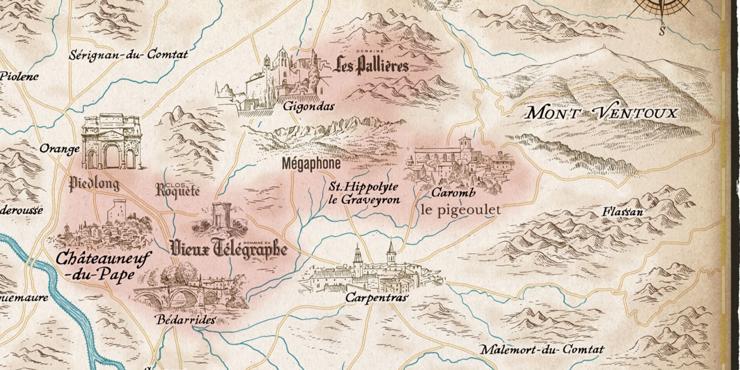
Vieux Telegraphe
Vieux Télégraphe, operated by the fourth-generation Brunier family since 1898, farms 70 hectares of predominantly Grenache vineyards on Châteauneuf-du-Pape's La Crau plateau, where old vines grow in galet-covered clay soils at 120 meters elevation. The estate maintains traditional methods through hand harvesting, co-fermentation in concrete tanks, and extended aging in large oak foudres for up to 22 months.
Vilafonte
Vilafonte is a pioneering South African-American collaboration in Paarl, producing Bordeaux-variety red wines from 20 hectares of ancient vilafontes soils that naturally restrict vigor and yield concentrated fruit. Their terroir-focused winegrowing philosophy emphasizes precision viticulture with block-specific management, gravity-flow winemaking, and minimal intervention techniques that honor traditional winemaking while expressing the distinctive character of their million-year-old soils.
Villemaurine, Chateau
Chateau Villemaurine is a 7-hectare Saint-Émilion Grand Cru Classé estate on the limestone plateau, owned by Justin Onclin since 2007, producing Merlot-dominant Bordeaux blends from clay-limestone soils. The estate combines traditional methods like hand harvesting with measured modernization, aging its wines in French oak within historic underground limestone quarries that form part of Saint-Émilion's UNESCO World Heritage site.

Vilmart & Cie
Vilmart & Cie is a five-generation family-owned grower Champagne producer operating across 11 hectares of Premier Cru vineyards in Rilly-la-Montagne and Villers-Allerand, focusing on Chardonnay-dominant blends from chalky, clay-limestone soils of the Montagne de Reims. Their distinctive approach combines barrel fermentation without malolactic conversion, extended lees aging, and sustainable viticulture practices established since the 1980s, creating wines that honor traditional methods while expressing the authentic character of their Premier Cru terroir.
Vincent Girardin
Vincent Girardin is a Meursault-based négociant-éleveur operating across 20 owned hectares plus contracted vineyards throughout the Côte d'Or, producing primarily single-vineyard Chardonnay and Pinot Noir from limestone-clay soils with 40-70 year old vines. Their traditional approach features minimal intervention winemaking with calibrated oak usage, organic vineyard practices including horse plowing in select parcels, and intentionally restricted yields to preserve the distinctive character of each appellation.
Vincent Pinard
Domaine Vincent Pinard is a family-owned wine estate in Bué, Sancerre, currently managed by brothers Florent and Clément Pinard who succeeded their father Vincent. The domaine works primarily with Sauvignon Blanc and some Pinot Noir across vineyards featuring Sancerre's three distinctive soil types: limestone-rich terres blanches, silex (flint), and caillottes. Their winemaking philosophy emphasizes terroir expression through both traditional and modern techniques, resulting in site-specific cuvées that highlight the unique characteristics of their Sancerre vineyards.
Volpaia
Castello di Volpaia is a family-owned organic estate operating from an 11th-century medieval village in Radda in Chianti, with 46 hectares of high-elevation vineyards (450-650m) on galestro and alberese soils dedicated primarily to Sangiovese-based Chianti Classico wines. Their production uniquely integrates modern winemaking within the village's historical buildings, employing gravity-flow techniques, indigenous yeast fermentations, and traditional aging protocols that honor Chianti's heritage while expressing their distinctive high-altitude terroir.
Von Schubert
The von Schubert family operates the historic 34-hectare Maximin Grünhaus estate in Germany's Ruwer Valley, focusing primarily on Riesling grown on south-facing blue Devonian slate slopes across three distinctive vineyard sites. Their winemaking balances tradition with careful modernization, employing spontaneous fermentation in both 1,000-liter Fuder oak casks and stainless steel tanks, while maintaining sustainable viticulture practices that honor their nearly millennium-long heritage.
Wegeler, Weinguter
Weingüter Wegeler is a four-generation family estate operating 45 hectares across the Rheingau and Mosel regions, focusing primarily on Riesling from prestigious sites including Rüdesheimer Berg Schlossberg and Bernkasteler Doctor, where loess-loam, quartzite, and steep slate soils define the terroir. Their winemaking balances traditional German oak fuders with modern temperature-controlled fermentation, emphasizing extended lees contact and sustainable vineyard practices that preserve the distinct expressions of their historic vineyard sites.

Weinbach, Domaine
Domaine Weinbach is a 30-hectare family estate in Alsace, France, producing traditional varieties like Riesling and Gewurztraminer from four Grand Cru vineyards with diverse soils and old vines in the rain shadow of the Vosges Mountains. Their winemaking philosophy combines biodynamic viticulture with minimal intervention techniques, including indigenous yeast fermentations and aging in century-old oak foudres that preserve the authentic expression of their historic terroirs.
Willi Schaefer
Willi Schaefer is a small family estate in Graach on the Mosel, farming just 4.2 hectares of steep, slate-rich vineyards in the Domprobst and Himmelreich sites to produce exclusively Riesling across the traditional Prädikat spectrum. The Schaefer family maintains complete hands-on control of their production, employing spontaneous fermentation in traditional fuders, minimal intervention techniques, and sustainable vineyard practices that preserve the authentic character of historic Mosel winemaking.

William Fevre, Domaine
Domaine William Fevre Chile is a French-founded winery operating in Chile's Maipo Valley, focusing primarily on Cabernet Sauvignon and Carmenère grown in gravelly soils with cooling influences from the Andes Mountains. Their winemaking bridges Old and New World approaches through temperature-controlled fermentation and French oak aging, maintaining a Burgundian commitment to site-specific expression while adapting techniques to showcase Chile's distinctive terroir.
Wittmann
Weingut Wittmann is a family-owned, 28-hectare estate in Westhofen, Rheinhessen, producing primarily Riesling from four limestone-rich Grand Cru vineyards with vines averaging 35-60 years old. Their traditional winemaking approach features biodynamic viticulture (Demeter-certified since 2004), spontaneous fermentations in large oak casks, and minimal intervention techniques that authentically express their distinctive terroir.
Xanadu
Xanadu, established in 1977 and now owned by the Rathbone family, operates 135 hectares of vineyards across Margaret River's sub-regions, focusing on Cabernet Sauvignon and Chardonnay grown in gravelly loam soils that benefit from cooling sea breezes. Under winemaker Glenn Goodall's leadership since 2006, the estate employs traditional methods including hand-harvesting, wild fermentation, and precise oak maturation while maintaining sustainable farming practices that preserve the region's distinctive character in their structured, elegant wines.
Zenato
Zenato is a family-owned Veneto producer operating 75 hectares across Lake Garda's clay-rich soils and Valpolicella's calcareous hillsides, specializing in indigenous varieties including Trebbiano di Lugana (Turbiana) and traditional Valpolicella grapes. Their winemaking balances regional traditions like appassimento for Amarone and the ripasso method for their signature Ripassa with modern temperature-controlled fermentation and tailored oak aging programs.

d'Arche, Chateau
Château d'Arche is a 40-hectare Second Growth Sauternes estate owned by the Thomassin family, producing sweet wines from Sémillon, Sauvignon Blanc, and Muscadelle grown on limestone and clay soils where the Ciron River's morning mists create ideal conditions for noble rot. The estate maintains traditional methods with multiple harvest passes to select perfectly botrytized grapes, followed by conventional fermentation and oak aging that preserves the historical character of Sauternes viticulture.
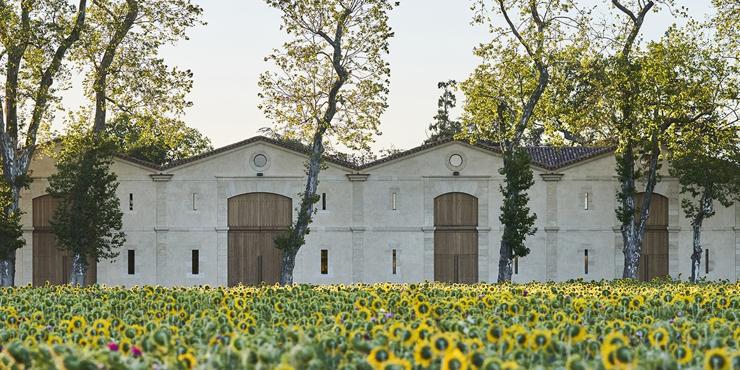
d'Armailhac, Chateau
Château d'Armailhac is a Fifth Growth Pauillac estate spanning 70 hectares of deep gravel soils, producing Cabernet Sauvignon-dominant Bordeaux blends from vineyards adjacent to Mouton Rothschild. Under Rothschild family ownership since 1933, the estate maintains traditional Bordeaux methods with parcel-specific harvesting and moderate oak aging (30% new) to preserve the distinctive terroir expression that defines their classical Pauillac character.

d'Issan, Chateau
Château d'Issan, located in the Margaux appellation of Bordeaux, is a well-regarded Third Growth estate. With roots dating back to the 12th century, d'Issan crafts exceptional Bordeaux blends primarily from Cabernet Sauvignon and Merlot.
l'Arlot, Domaine de
Domaine de l'Arlot manages 14 hectares of prime vineyards in northern Nuits-Saint-Georges, producing 45,000-50,000 bottles annually of predominantly Pinot Noir wines that express their proximity to Vosne-Romanée through two monopole premier crus with distinct limestone-rich soils. The estate employs biodynamic viticulture with Demeter certification, traditional open-top fermentation with significant whole-cluster inclusion, and thoughtfully restrained oak aging that has been further refined under Géraldine Godot's leadership to enhance terroir transparency.

l'Oratoire, Clos de
Clos de l'Oratoire is a 13.5-hectare Saint-Émilion Grand Cru Classé estate on the northeastern slope of the plateau, owned by Count Stephan von Neipperg since 1991, producing Merlot-dominant wines from clay-limestone soils enriched with iron deposits. The estate combines traditional Saint-Émilion methods with parcel-by-parcel vinification, aging wines for 16-18 months in French oak while maintaining environmentally conscious viticulture practices that honor its classic Bordeaux heritage.