



A.A. Badenhorst
A.A. Badenհorst Family Wines is a South African winery founded in 2008 by cousins Adi and Hein Badenhorst. Located in the Swartland region on the slopes of the Paardeberg Mountain, the winery is celebrated for its dedication to reflecting the unique terroir and character of the region. Known for their commitment to old vineyards and minimal intervention winemaking, A.A. Badenhorst produces a range of red and white wines, including their acclaimed Chenin Blanc and Shiraz, as well as distinctive blends. These wines have gained international acclaim for their quality and unique expression, underscoring the winery’s focus on natural and traditional methods.

Abel Mendoza
Abel Mendoza and his wife Maite Fernández craft wines from 20 hectares of individually-selected parcels in San Vicente de la Sonsierra, Rioja Alta, where they focus with exceptional but understated quality on Tempranillo and traditional white varieties from limestone-clay soils along the Ebro River's northern banks. Their meticulous, small-scale approach is exemplified through separate vinification of each parcel, with distinctive white wines undergoing whole-cluster pressing and fermentation in French oak barrels.

Agnes Paquet
Agnes Paquet operates a 13-hectare domaine in Burgundy's Hautes-Côtes de Beaune, producing 65,000 bottles annually of Chardonnay and Pinot Noir from cool-climate, clay-limestone vineyards across Auxey-Duresses, Chassagne-Montrachet, and Pommard. Her hands-on approach combines traditional Burgundian techniques with selective modern precision, personally overseeing every aspect from sustainable viticulture and hand harvesting to minimal-intervention winemaking that preserves each site's distinctive character.
Alban Vineyards
Alban Vineyards, America's first exclusively Rhône-focused winery, produces approximately 6,000 cases annually from 66 acres of hillside and sloping vineyards in California's Edna Valley, where clay loam, limestone, and sandstone soils support primarily Syrah along with other Rhône varieties. John Alban personally oversees all aspects of production, employing aggressive crop thinning, indigenous yeasts when possible, extended maceration periods, and extended French oak aging to create vineyard-designated wines that express their unique sites.
Alessandro e Gian Natale Fantino
Brothers Alessandro and Gian Natale Fantino operate a small 800-case winery in Monforte d'Alba's Bussia cru, producing primarily Nebbiolo-based wines from south-facing vineyards with calcareous clay soils at 350-400 meters elevation. Their traditional approach includes extended maceration with indigenous yeasts in concrete tanks, aging in large Slavonian oak casks rather than barriques, and hands-on involvement throughout the entire winemaking process.
Algueira
Adega Algueira is a family-operated winery in Ribeira Sacra's Amandi subzone, producing small-batch wines from indigenous Galician varieties grown on ancient, steep terraced vineyards with schist and granite soils. Their winemaking combines traditional methods with minimal intervention, including hand harvesting, native yeast fermentation, and careful aging in various vessels that preserve the distinctive character of their historic vineyard sites.
Alheit Vineyards
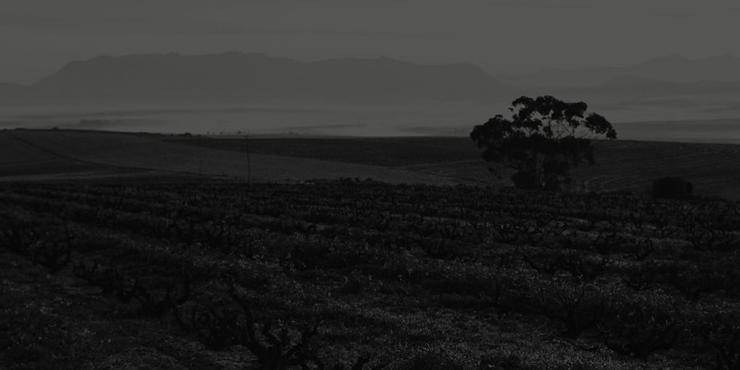
Alheit Vineyards is situated in South Africa's Western Cape. Since its establishment in 2010, Chris and Suzaan Alheit have used a minimalist approach to produce Chenin Blanc wines that articulate the rich diversity of the Cape.
Anne et Herve Sigaut, Domaine
Domaine Anne et Hervé Sigaut is a small family estate in Chambolle-Musigny producing exclusively Pinot Noir wines from limestone-rich vineyards throughout the Côte de Nuits. The husband-and-wife team personally oversees all aspects of production, employing traditional Burgundian methods with minimal intervention and careful barrel aging to preserve the distinctive character of each vineyard plot.
Anne et Jean-Francois Ganevat
Domaine Jean-François Ganevat is a family-run estate spanning 8.5 hectares in Rotalier, southern Jura, where Jean-François and his sister Anne craft diverse wines from traditional and rare indigenous varieties grown in blue and gray marl soils with limestone at 300-400 meters elevation. Their meticulous approach combines biodynamic farming, extremely low yields, indigenous yeast fermentations, minimal sulfur use, and both traditional sous voile and topped-up winemaking methods to produce over 40 different small-batch cuvées that express their fourteen generations of winemaking heritage.
Anselma, Famiglia
Famiglia Anselma is a family-owned wine estate in Monforte d'Alba producing traditional Barolo and other indigenous Piedmontese varieties from vineyards characterized by calcareous marl soils that impart structure and aging potential. Their winemaking philosophy embraces time-honored methods including extended maceration periods and aging in large oak casks rather than small barriques, preserving the pure expression of Nebbiolo and the distinctive Langhe terroir.

Arnot Roberts
Arnot Roberts, a modern Californian winery, is known for its innovative approach to winemaking, creating small-batch, single-vineyard wines that include Syrah and Chardonnay, reflecting the diverse terroirs of California.
Arterberry Maresh
Arterberry Maresh is a third-generation family winery in Oregon's Dundee Hills producing small-batch Pinot Noir and Chardonnay from some of the Willamette Valley's oldest vines, planted on iron-rich Jory soils at 500-800 feet elevation. Jim Maresh Jr. crafts his wines using native fermentations and gentle handling techniques in a converted barn winery, emphasizing vineyard expression through dry-farming practices and restrained oak influence.

Barmes-Buecher, Domaine
Barmes-Buecher, situated in the Alsace region, is a notable winery with a reputation for exquisite Riesling, Gewürztraminer, and Pinot Gris wines. Since its inception in 1985, the winery has shown unwavering commitment to biodynamic farming. Merging traditional and innovative winemaking, their wines brilliantly convey the richness and complexity of the Alsace terroir.

Bass Phillip
Bass Phillip, in the Gippsland region of Victoria, Australia, has developed a cult following for its limited-production, biodynamic Pinot Noir, appreciated for its depth and character.
Bertrand Ambroise
Domaine Bertrand Ambroise is a family-run Burgundian estate with 21 hectares spanning the Côte de Nuits and Côte de Beaune, focusing primarily on Pinot Noir (80%) and Chardonnay (20%) from limestone-clay soils, including notable premier cru holdings in Nuits-Saint-Georges. The Ambroise family maintains organic farming practices established in the late 1990s, hand-harvests all fruit, ferments with indigenous yeasts in open-top wooden vats, and bottles without fining or filtration after 12-18 months in oak barrels.
Bob Cabral Wines
Bob Cabral Wines is a small family-operated winery in Sonoma County founded in 2015 by former Williams Selyem winemaker Bob Cabral, focusing on limited-production Pinot Noir and Chardonnay from select cool-climate vineyards in the Russian River Valley and Sonoma Coast. Cabral's minimal-intervention approach emphasizes harvest decisions based on flavor development rather than metrics, with hand punch-downs, extended cold soaking for Pinot Noir, and French oak aging tailored to each vineyard source, all while maintaining production below 500 cases per vineyard designation to ensure personal oversight throughout the winemaking process.
Bois de Boursan, Domaine
Domaine Bois de Boursan is a 16-hectare family estate in Châteauneuf-du-Pape, where Jean-Paul Versino crafts traditional red and white wines from 27 diverse parcels featuring the region's characteristic galets roulés and varied soil types. The domaine maintains time-honored practices including hand-harvesting, whole-cluster fermentation with indigenous yeasts in concrete vats, and aging in large neutral oak foudres—all personally overseen by Versino in a hands-on approach that honors his father's legacy.
Boislauzon, Mas de
Mas de Boislauzon is a family-owned estate in the Rhône Valley, operated by the Chaussy family since the 1930s across 10 hectares in Châteauneuf-du-Pape and additional Côtes du Rhône parcels, producing primarily Grenache-based blends from vineyards marked by heat-regulating galets roulés. Their winemaking philosophy balances tradition with quality through hand harvesting, selective destemming, temperature-controlled fermentation, and extended aging in large oak foudres, reflecting their commitment to authentic terroir expression through minimal intervention.

Branon, Chateau
Château Branon, in Pessac-Léognan, Bordeaux, is a boutique estate that has been restored to prominence, producing small quantities of deeply flavored and complex wines that reflect the gravelly soils of the region.
Brick House
Brick House is a small, family-owned estate in Oregon's Ribbon Ridge AVA producing 3,000-4,000 cases annually of primarily Pinot Noir, with smaller amounts of Chardonnay and Gamay Noir from marine sedimentary soils at 250-500 feet elevation. Owner Doug Tunnell, a former CBS correspondent, employs biodynamic farming practices (Demeter-certified since 2005) and traditional winemaking techniques including native yeast fermentation, gentle extraction, and minimal filtration to express the distinctive character of his 30-acre vineyard.
Bruno Clavelier, Domaine
Domaine Bruno Clavelier is a family-owned 6.5-hectare estate in Vosne-Romanée producing primarily Pinot Noir from mature vines (40-80 years old) across premier terroirs in the Côte de Nuits, including several Premier Cru sites and a small Grand Cru holding in Corton. The domaine practices certified biodynamic viticulture with horse-drawn plowing in select parcels, followed by traditional winemaking methods including native yeast fermentation in open-top wooden vats and minimal intervention throughout the 15-18 month aging process.
Burn Cottage
Burn Cottage is a family-owned, biodynamic estate in Central Otago's Cromwell Basin, cultivating 10.1 hectares of predominantly Pinot Noir vineyards on north and east-facing slopes with complex glacial soils of gravelly loams over schist and clay. Their commitment to biodynamic principles since inception in 2002 shapes every aspect of their operation, from minimal-intervention winemaking with indigenous yeasts to maintaining nearly half their 24-hectare property as biodiversity zones with native plantings and wildlife corridors.
Ca' Rome Romano Marengo
Ca' Rome is a family-owned 11-hectare estate in Barbaresco, Piedmont, producing traditional Nebbiolo-based wines from prized vineyard sites in both Barbaresco and Barolo, where 30-50 year-old vines grow in distinctive calcium-rich marl and limestone soils. The Marengo family maintains traditional winemaking methods including extended maceration, indigenous yeasts, and aging beyond DOCG requirements in large Slavonian oak botti, with all production managed hands-on to preserve the authentic expression of each vineyard's character.
Ceritas
Ceritas is a small-scale Sonoma Coast winery founded in 2005 by John Raytek and Phoebe Bass, producing under 2,500 cases annually of Chardonnay and Pinot Noir from cool-climate vineyards along California's North Coast with distinctive sandy loam and decomposed sandstone soils. Their minimal-intervention approach includes native yeast fermentations, restrained oak usage, whole-cluster techniques tailored to each site, and a commitment to organic farming practices that transparently express each vineyard's unique character without filtration or stabilization treatments.

Chanin
Chanin Wine Company is a small, independently owned winery founded by Gavin Chanin in 2007, specializing in single-vineyard Pinot Noir and Chardonnay from cool-climate coastal vineyards in Santa Barbara County, including the prestigious Bien Nacido and Sanford & Benedict sites. Reflecting his mentorship under Jim Clendenen and Bob Lindquist, Chanin employs minimal-intervention techniques including earlier harvesting, native yeast fermentations, and judicious oak use to craft wines of restraint and pronounced terroir expression.
Chartogne Taillet
Chartogne-Taillet is a historic family estate dating to 1683, farming 11 hectares of diverse sand, clay, and limestone soils in Merfy (northern Montagne de Reims), where Alexandre Chartogne crafts terroir-driven Champagnes from Pinot Noir, Chardonnay, Pinot Meunier, and historical varieties. Each vineyard parcel receives individualized attention—some worked by horse—with separate vinifications using indigenous yeasts, parcel-specific aging vessels, and minimal intervention throughout the process to authentically express Merfy's distinctive terroir.
Churton
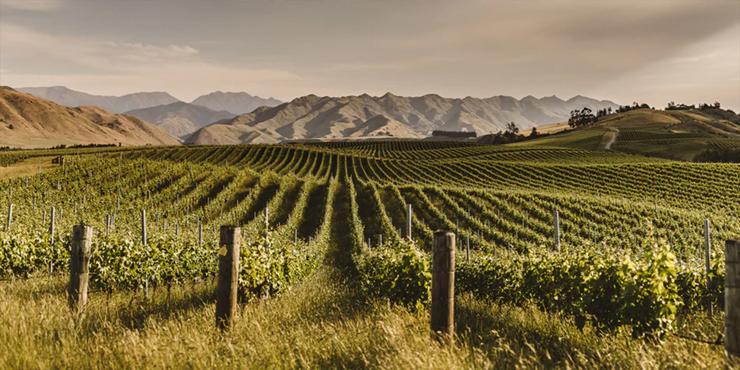
Churton is a family-owned producer in Marlborough, New Zealand, crafting Sauvignon Blanc and Pinot Noir from hillside vineyards at 200 meters elevation in the Waihopai Valley, where clay-loam soils contribute structural depth to their wines. Their artisanal approach encompasses Demeter-certified biodynamic viticulture, hand harvesting, and low-intervention winemaking techniques that yield mineral-driven Sauvignon Blanc and site-specific Pinot Noir expressions distinct from conventional regional styles.

Clarendon Hills
Clarendon Hills is a family-owned producer in South Australia's elevated Clarendon subregion of McLaren Vale, specializing in single-vineyard Shiraz, Grenache, Cabernet Sauvignon, and Merlot from old vines grown in ironstone and clay over limestone soils. Their winemaking combines founder Roman Bratasiuk's scientific background with European traditions, emphasizing hand-harvesting, extended maceration, French oak aging, and minimal intervention to create concentrated, structured wines designed for long-term aging.
Clemens Busch
Clemens Busch is a family-owned, 16-hectare VDP estate in Pünderich on the Middle Mosel, specializing in terroir-expressive Rieslings from steep, slate-diverse vineyards in the Marienburg site. Their wines reflect distinct slate types through color-coded, parcel-specific bottlings, produced using biodynamic viticulture and minimal-intervention winemaking with spontaneous fermentations in traditional fuders and extended lees aging.
Comando G
Comando G is a small-scale partnership founded in 2008 that focuses exclusively on high-altitude, old-vine Garnacha from Sierra de Gredos' granite soils near Madrid, where elevations of 600-1,200 meters create wines of distinctive freshness and precision. Their minimal-intervention approach includes organic farming with draft horses, native yeast fermentations in open-top wooden vats, whole-cluster inclusion, and gentle extraction methods that showcase each vineyard's unique character through separate vinification of hand-harvested fruit.
Coudray-Bizot
Domaine Coudray-Bizot is a family-owned Burgundian estate based in Gevrey-Chambertin, producing small-batch Pinot Noir wines from their holdings across the limestone and clay soils of the Côte de Nuits, including parcels in Grand Cru Echezeaux and Charmes-Chambertin. François Coudray-Bizot maintains traditional winemaking methods including extended maceration, native yeast fermentation, and minimal intervention, with wines aging in French oak before being bottled unfined and unfiltered to preserve their authentic terroir expression.
Cupano
Cupano is a small family-run estate on Montalcino's southern slopes, where husband-and-wife team Lionel Cousin and Ornella Tondini cultivate 7 hectares of primarily Sangiovese vineyards on galestro and alberese soils for their Brunello and Rosso di Montalcino. Their commitment to biodynamic viticulture, hand-harvesting, indigenous yeast fermentation, and aging in traditional large Slavonian oak casks reflects their minimal-intervention philosophy that prioritizes terroir expression over commercial expansion.
Cyprien Arlaud
Domaine Arlaud is a third-generation family estate in Burgundy's Côte de Nuits managing 15 hectares across prestigious appellations, producing primarily Pinot Noir from limestone and clay soils with many vines exceeding 50 years of age. The biodynamic-certified domaine employs horses for vineyard plowing, practices native yeast fermentation in wooden vats, and ages their wines with restrained oak usage before bottling without fining or filtration.

David Duband
David Duband operates his independent 17-20 hectare domaine across prestigious Burgundian appellations, focusing primarily on Pinot Noir from limestone-clay soils with many vines exceeding 50 years of age. His winemaking philosophy emphasizes organic farming, indigenous yeast fermentations with significant whole cluster inclusion, and vineyard-specific approaches tailored to each site's unique character rather than applying uniform techniques.
Didier & Pascal Picq
Brothers Didier and Pascal Picq operate their 13-hectare family estate in Chichée, southeast of Chablis town, crafting mineral-driven Chardonnays from Kimmeridgian limestone soils across village and premier cru vineyards. Their traditional approach emphasizes hand-harvesting, exclusive stainless steel fermentation, and extended lees aging with minimal intervention, prioritizing terroir expression and authenticity over marketing or trend-chasing.
Donelan
Donelan Family Wines is a boutique, family-owned producer in Santa Rosa, Sonoma County, specializing in cool-climate Rhône-style wines, particularly Syrah, sourced from premium vineyards across Russian River Valley and Bennett Valley. Their artisanal approach features hand-harvesting, native yeast fermentations for select wines, whole cluster techniques for certain Syrahs, and measured French oak aging to preserve vineyard expression and terroir in their small-production bottlings.
Elio Sandri
Elio Sandri is a Piedmontese producer who maintains a low profile but is known for traditionally crafted Barolo that showcases the depth and purity of Nebbiolo.
Emmanuel Brochet
Emmanuel Brochet is a small grower-producer in Villers-aux-Nœuds (Montagne de Reims) who crafts terroir-focused Champagnes exclusively from his 2.5-hectare Le Mont Benoit vineyard, planted equally to Pinot Meunier, Pinot Noir, and Chardonnay on clay-limestone soils. His artisanal approach includes organic farming, fermentation in neutral oak, extended lees aging, minimal intervention, and extremely limited production of approximately 10,000 bottles annually that showcase his single-vineyard expression.
Eric Rodez
Champagne Rodez is a nine-generation family estate in Ambonnay, farming 6 hectares of Grand Cru vineyards where Pinot Noir dominates their plantings on the south-facing chalky slopes of Montagne de Reims. Owner-winemaker Eric Rodez, formerly of Krug, applies biodynamic viticulture principles and employs a perpetual reserve system for his Cuvée des Crayères, extending aging periods well beyond required minimums to fully express Ambonnay's distinctive terroir.
Failla
Failla is a family-owned, boutique winery producing 10,000-15,000 cases annually of cool-climate Pinot Noir, Chardonnay, and Syrah from their estate and select vineyards across Sonoma Coast, Russian River Valley, Anderson Valley, and more recently Oregon's Willamette Valley. Winemaker Ehren Jordan employs traditional Burgundian techniques including whole cluster fermentation, native yeasts, and measured oak aging to craft vineyard-specific wines that emphasize elegance and terroir expression over power.
Favia
Favia is a boutique Napa Valley winery founded in 2003 by viticulturist Annie Favia-Erickson and winemaker Andy Erickson, producing limited-quantity Cabernet Sauvignon, Cabernet Franc, and Rhône-style wines from their historic Coombsville estate and select vineyards with distinctive volcanic and granitic soils. Their winemaking integrates traditional methods in their 1886 stone cellar with meticulous vineyard management, native yeast fermentations, and gentle extraction techniques, maintaining production between 100-500 cases per bottling while focusing primarily on direct-to-consumer sales.
Foradori
Foradori is a family-run biodynamic estate in Trentino's Dolomite Mountains, cultivating 28 hectares of primarily Teroldego vines in the alluvial soils of Campo Rotaliano plain and on limestone-rich mountain slopes. Their winemaking approach combines traditional techniques with innovation, including fermentation in clay amphorae, exclusive use of native yeasts, minimal sulfur additions, and unfined, unfiltered bottling to preserve the authentic expression of their indigenous varieties.
Forey, Domaine
Domaine Forey is a family-owned estate in Vosne-Romanée managing 10 hectares across the Côte de Nuits, focusing primarily on Pinot Noir from limestone and clay soils with holdings ranging from village-level to Grand Cru Echézeaux. Second-generation winemaker Régis Forey personally oversees all production aspects, employing partial whole-cluster fermentation, native yeasts, and minimal intervention through to bottling without fining or filtration when possible.
Forey Pere & Fils
Forey Pere & Fils is a family-owned domaine in Vosne-Romanée managing 10 hectares across the Côte de Nuits, focusing on Pinot Noir from limestone and clay soils in appellations including Vosne-Romanée, Nuits-Saint-Georges, and grand cru Echézeaux. Régis Forey personally oversees all production aspects, employing partial whole-cluster fermentation and careful oak aging while maintaining sustainable vineyard practices that preserve the distinctive character of each site.
Franck Balthazar
Franck Balthazar operates a small 3.5-hectare estate in Cornas, focusing exclusively on Syrah from the granite-rich Chaillot and Mazards vineyards, where many vines date to the 1920s and 1930s. His traditional approach includes horse-plowing the vineyards, whole-cluster fermentation with indigenous yeasts, and aging in older demi-muids, preserving methods that have largely disappeared from modern Northern Rhône winemaking.
Francois Cotat
François Cotat operates a small, family-run estate in Chavignol within France's Sancerre appellation, crafting terroir-specific Sauvignon Blanc wines from approximately 4 hectares of steep, limestone and silex-rich vineyards including Les Monts Damnés, La Grande Côte, and Les Culs de Beaujeu. His traditional approach includes late harvesting, indigenous yeast fermentation in old oak barrels, extended lees aging until summer or fall, and minimal intervention with no fining or filtration, yielding wines of remarkable complexity and aging potential that often challenge conventional appellation parameters.
Francois Mikulski
Domaine François Mikulski is a family-run estate in Meursault managing 10 hectares of primarily Chardonnay vineyards across limestone and clay soils of the Côte de Beaune, with many vines exceeding 50 years of age. François employs minimal intervention throughout his winemaking process, from sustainable vineyard practices and hand harvesting to native yeast fermentations and restrained oak usage (10-25%), allowing each terroir to express its distinctive character with clarity.
Francoise Bedel
Françoise Bedel is a family-owned Champagne producer operating 8.5 hectares across three villages in the western Vallée de la Marne, specializing in Pinot Meunier-dominant wines from clay-limestone soils. Their biodynamic approach, certified since 1998, extends through all aspects of production—from horse plowing select vineyards to indigenous yeast fermentations and extended lees aging of three to seven years with minimal dosage.

Frederic Mabileau
Domaine Frederic Mabileau is a 28-30 hectare family estate in Saint-Nicolas-de-Bourgueil and Bourgueil in the Loire Valley, producing primarily Cabernet Franc wines from diverse soils of gravel, limestone, and clay. The estate, now led by Rémy Mabileau following his father's passing in 2020, maintains organic certification and biodynamic practices, with soil-specific vinification methods and hand harvesting that highlight the distinct terroir expressions of their appellations.
Frederic Magnien
Fifth-generation Burgundian Frédéric Magnien operates a small-scale négociant business in Morey-Saint-Denis, producing approximately 40 different cuvées annually with a focus on Pinot Noir (90%) and Chardonnay (10%) sourced from prestigious terroirs throughout the Côte de Nuits and Côte de Beaune. His winemaking philosophy emphasizes minimal intervention through pioneering use of terracotta aging vessels, native yeast fermentations, and close collaboration with organic and biodynamic growers to translate each vineyard's distinctive character.
Gangloff
Domaine Yves Gangloff is a small, family-run Northern Rhône producer founded by former sommelier Yves Gangloff in the late 1980s, crafting limited quantities of Syrah-based Côte-Rôtie from both Côte Blonde's granite and Côte Brune's schist soils, alongside Viognier-based Condrieu. Their hands-on approach includes necessary hand harvesting on steep slopes, vintage-adjusted stem inclusion during fermentation, and thoughtful oak aging, with Mathilde Gangloff contributing both to the winemaking process and creating the distinctive artistic labels that adorn their bottles.
Gauby
Domaine Gauby is a father-son operation producing 80,000 bottles annually from 45 hectares of high-elevation vineyards in Calce, Roussillon, where they craft Mediterranean varietal wines from limestone, schist, and clay soils cooled by Pyrenean winds. Their biodynamic farming practices, century-old vines, and minimal intervention winemaking have established them as a quality benchmark in Roussillon while maintaining a modest profile that belies their significant influence on the region's wine renaissance.

Gerard Mugneret
Domaine Gerard Mugneret is a small family estate in Vosne-Romanée spanning 5-6 hectares across the Côte de Nuits, crafting terroir-expressive Pinot Noir from limestone and clay soils with high-average-age vines. Under Pascal Mugneret's leadership since the early 2000s, the domaine maintains a hands-on approach with manual harvesting, native yeast fermentations, and judicious oak aging tailored to each wine's classification level.
Gerard Raphet
Domaine Gérard Raphet is a small, family-run Burgundy estate based in Morey-Saint-Denis, crafting primarily Pinot Noir from exceptional old-vine parcels across four Grand Cru sites and several Premier Cru vineyards in the Côte de Nuits. Despite their impressive vineyard holdings, the Raphet family maintains a deliberately low profile, focusing on traditional methods including partial whole-cluster fermentation and restrained oak usage to create authentic expressions of terroir rather than pursuing publicity or recognition.
Ghislaine Barthod
Ghislaine Barthod in Chambolle-Musigny, Burgundy, is respected for her meticulous vineyard management, resulting in Pinot Noir that is both intense and ethereal.
Gibryotte (Claude Dugat)
Domaine Gibryotte is a small-scale, family-run secondary label from the Dugat family, producing exclusively Pinot Noir from younger vine parcels across Gevrey-Chambertin's limestone-clay soils in Burgundy's Côte de Nuits. The domaine follows traditional Burgundian methods with hand-harvesting, careful sorting, and aging in French oak barrels, maintaining the family's hands-on approach while offering a more accessible expression of their terroir-focused winemaking philosophy.

Gilles Barge
Gilles Barge in the Northern Rhône is a traditional Côte-Rôtie producer, making Syrah that is both expressive of the region's terroir and capable of aging gracefully.
Gracia
Gracia, a modern Bordeaux producer, is making waves in Saint-Émilion with its dense and richly textured wines that rival the more established names in the appellation.
Greywacke
Greywacke is a boutique Marlborough producer founded in 2009 by Kevin Judd, former Cloudy Bay winemaker, focusing on Sauvignon Blanc and other varietals grown in the region's distinctive alluvial soils with rounded river stones. Judd maintains a hands-on approach throughout the entire winemaking process, offering both classic expressions and the Wild Sauvignon that undergoes spontaneous fermentation in old French oak barrels, while sourcing fruit exclusively from select growers including the organic-certified Sutherland family vineyard.
Guffens Au Sud
Guffens Au Sud is Belgian-born winemaker Jean-Marie Guffens' independent southern French project in the Vaucluse, where he crafts Rhône-style wines from limestone and clay soils dotted with heat-retaining galets roulés in a Mediterranean foothill setting. His hands-on approach applies Burgundian precision to southern varieties through temperature-controlled fermentations, careful extraction methods, and judicious oak aging that preserves freshness while capturing the distinctive character of the terroir.
Guillaume Gilles
Guillaume Gilles operates a small 2.5-hectare domaine in Cornas, Northern Rhône, focusing primarily on Syrah from the prestigious Chaillot lieu-dit's steep, granite-based terraced slopes. His traditional approach includes manual vineyard work, native yeast fermentation with high whole-cluster inclusion, and extended aging in neutral oak demi-muids, all bottled without fining or filtration to preserve the authentic expression of his historic parcels.
Gulfi
Gulfi is a family-run, biodynamic estate spanning 70 hectares across southeastern Sicily's Val di Noto region, focusing on single-vineyard expressions of Nero d'Avola from distinct limestone and clay soils in the Pachino and Vittoria areas. Their traditional approach centers on the labor-intensive alberello (bush vine) training system, hand harvesting, indigenous yeast fermentation, and aging in large neutral Slavonian oak casks to preserve the authentic character of Sicily's indigenous varieties.
Henri Jouan
Domaine Henri Jouan is a small family-owned Burgundian producer operating from Morey-Saint-Denis in the Côte de Nuits, crafting primarily Pinot Noir wines from approximately 5 hectares of limestone and clay-rich vineyards including their prized Clos Saint-Denis Grand Cru parcel. The Jouan family maintains hands-on involvement throughout their winemaking process, employing traditional methods including open-top fermentation and judicious oak aging that allow each vineyard's unique expression to emerge in their limited-production wines.
Henri Naudin-Ferrand
Domaine Henri Naudin-Ferrand is a family-owned estate in Magny-lès-Villers, Burgundy, managing 22 hectares across diverse appellations including Hautes-Côtes de Beaune and Nuits, where they craft Pinot Noir and Chardonnay wines from predominantly limestone and clay soils at elevations of 300-400 meters. Under Claire Naudin's leadership since 1994, the domaine practices certified organic viticulture with minimal intervention winemaking, employing hand harvesting, indigenous yeast fermentation, and minimal sulfur additions to create unfined, minimally filtered wines that authentically express their terroir.
J. K. Carriere
J.K. Carriere is a boutique Willamette Valley winery founded in 1999 by Jim Prosser, producing approximately 4,000 cases annually of primarily Pinot Noir from its 8.5-acre St. Dolores Estate vineyard on Parrett Mountain's iron-rich volcanic soils. Prosser maintains hands-on control throughout the winemaking process, employing extended cold soaks, native yeast fermentations, and minimal filtration to create site-specific expressions that authentically reflect Oregon's diverse terroir.
Jacques Carillon
Jacques Carillon operates a 5.5-hectare domaine in Puligny-Montrachet, crafting precise Chardonnay wines from limestone-clay soils across village and premier cru vineyards, including Les Perrières, Les Champs Canet, and Les Referts. His traditional Burgundian approach features extended aging—11-12 months in French oak followed by 6 months in stainless steel—and minimal intervention techniques that honor his family's winemaking legacy dating back to the 16th century.
Jean Tardy, Domaine
Domaine Jean Tardy et Fils is a family-owned Burgundian estate in Vosne-Romanée with 5-6 hectares of vineyards across the Côte de Nuits, producing exclusively Pinot Noir from limestone and clay soils with many older vines exceeding 50 years. Guillaume Tardy, who took over from his father Jean in the early 2000s, employs traditional methods including meticulous hand-harvesting, partial stem inclusion during fermentation, and thoughtfully calibrated oak aging to preserve each vineyard's unique character.
Jean-Claude Bessin
Jean-Claude Bessin operates a 12-hectare family domaine in La Chapelle Vaupelteigne, north of Chablis town, producing terroir-expressive Chardonnay wines from parcels across village, Premier Cru, and Grand Cru vineyards planted in the region's distinctive Kimmeridgian limestone soils. The domaine's artisanal character is evident in their hands-on vineyard management, selective hand-harvesting, and site-specific winemaking approach that tailors fermentation and aging vessels—from stainless steel to neutral oak—to each vineyard parcel's specific needs.
Jean-Luc Jamet
Jean-Luc Jamet operates a small, independent domaine in Ampuis in the Northern Rhône, managing 2 hectares of steep vineyard parcels across Côte-Rôtie's Côte Blonde and Côte Brune, where he focuses primarily on Syrah from schist, granite, and limestone soils. His artisanal approach combines partial whole-cluster fermentation with minimal oak influence and sustainable vineyard practices, producing approximately 10,000 bottles annually that express the distinct personalities of each site with minimal intervention.
Jean-Marie Fourrier, Domaine
Domaine Jean-Marie Fourrier is a family-owned Burgundian estate in Gevrey-Chambertin with 9-10 hectares of limestone-rich vineyards, primarily producing Pinot Noir from old vines exceeding 60 years of age. Jean-Marie, who trained under Henri Jayer, maintains hands-on involvement throughout production, employing tailored whole-cluster fermentation, minimal racking, and limited filtration to preserve the authentic expression of each vineyard site.
Jerome Galeyrand
Jérôme Galeyrand, a former mechanic turned winemaker, operates his small 5-hectare domaine in Gevrey-Chambertin producing primarily Pinot Noir from limestone-clay soils across prime Côte de Nuits appellations, including parcels with 50-year-old vines. His hands-on approach applies mechanical precision to every aspect of production—from sustainable farming and hand harvesting to native yeast fermentation in open-top vats and minimal-intervention aging—resulting in unfined, minimally filtered wines that authentically express their terroir.

Lioco
Lioco is a Californian winery focused on Chardonnay, Pinot Noir, and Carignan, showcasing a modern, terroir-driven approach with minimal intervention.
Louis Boillot, Domaine
Domaine Louis Boillot is a small 7-hectare family estate in Chambolle-Musigny producing primarily Pinot Noir from strategically distributed vineyards across both Côte de Nuits and Côte de Beaune, with many vines between 40-90 years old. The domaine maintains traditional Burgundian methods including hand-harvesting, indigenous yeast fermentation, and minimal intervention throughout the winemaking process, reflecting their commitment to authentic terroir expression through deliberately small-scale production.
Lourens Family Wines
Lourens Family Wines is a small-scale artisanal project founded by winemaker Franco Lourens in South Africa's Cape South Coast region, focusing primarily on Chenin Blanc and Cinsault from carefully selected vineyards in the maritime-influenced Hemel-en-Aarde Valley. Franco personally oversees every aspect of production, employing minimalist intervention techniques including natural fermentation with indigenous yeasts, neutral oak aging for whites, and whole-bunch fermentation for reds to create transparent expressions of site-specific terroir.
Luigi Baudana
Luigi Baudana is a 2.6-hectare traditional estate in Serralunga d'Alba producing structured Nebbiolo-based wines from the limestone-rich Baudana and Cerretta crus, where mature vines average over 30 years old. The winery maintains its distinct identity under Vajra family stewardship through separate vinification processes and traditional aging in large Slavonian oak casks rather than barriques, preserving the pure expression of Serralunga's terroir.
Lutum
Lutum was a small-scale California wine project founded in 2012 by winemaker Gavin Chanin and Bill Price, focusing on single-vineyard Pinot Noir and Chardonnay from cool-climate sites in Sonoma Coast and Santa Barbara County. Their minimalist approach featured native yeast fermentations, moderate alcohol levels, and restrained oak usage, with all wines bottled unfined and unfiltered to preserve the transparent expression of each distinctive terroir.
Marc Roy
Domaine Marc Roy is a four-generation family estate in Gevrey-Chambertin spanning just 4 hectares, primarily producing village-level Pinot Noir wines from limestone and clay soils across several distinguished lieu-dits. Under Alexandrine Roy's leadership since 2003, the domaine emphasizes sustainable viticulture, low yields, native yeast fermentations, and minimal intervention through bottling unfined and unfiltered wines that transparently express their terroir.
Marengo
Marengo is a family-owned boutique winery in La Morra's Barolo DOCG zone, focusing primarily on Nebbiolo cultivation in the area's distinctive calcareous marl soils. The multi-generational operation maintains traditional Barolo production methods, with Marco Marengo personally overseeing their small-scale winemaking that emphasizes site-specific expression through hands-on vineyard management and careful aging protocols.
Mark Haisma
Mark Haisma is an Australian winemaker who established a micro-négociant operation in Burgundy in 2009, producing limited quantities of Pinot Noir and Chardonnay from sourced fruit across the Côte de Nuits and Côte de Beaune. His hands-on approach blends Burgundian tradition with Australian experience, employing techniques like partial whole-cluster fermentation for reds and lees aging for whites, while maintaining complete personal involvement throughout the production process.
Martin Woods
Martin Woods is a small-scale winery founded in 2014 by Evan Martin in Oregon's Willamette Valley, producing under 5,000 cases annually with a focus on terroir-expressive Pinot Noir, Chardonnay, and Gamay from marine sedimentary soils across multiple AVAs. Their minimalist approach includes native yeast fermentations, limited new oak usage, extended barrel aging, and hands-on vineyard management emphasizing soil health and biodiversity, with wines bottled unfined and minimally filtered to preserve authentic site character.
Maume, Domaine
Domaine Maume was a small family-owned estate in Gevrey-Chambertin producing structured Pinot Noir wines from limestone-clay soils across village, Premier Cru, and Grand Cru vineyards until its 2011 acquisition by Marchand-Tawse. Bernard Maume's traditional winemaking employed extended maceration periods and careful oak aging, allowing each terroir to express itself authentically without technological intervention.
Mauro Veglio
Mauro Veglio is a family-run Barolo producer operating from La Morra in Piedmont, crafting approximately 60,000 bottles annually from 12 hectares of vineyards across four distinguished crus with calcareous-clay soils and vines dating to the late 1960s. Their winemaking balances tradition with innovation through moderate maceration periods and French oak aging, while maintaining hands-on involvement throughout production from manual harvesting to gravity-flow cellar techniques.
Mayer
Mayer is a small family-operated winery in Australia's Yarra Valley, founded by German-born Timo Mayer, specializing in Pinot Noir from their steep, northeast-facing Bloody Hill vineyard with granite and decomposed rock soils. Their distinctive bring back the funk philosophy embraces whole bunch fermentation, indigenous yeast fermentations, and minimal intervention techniques, with all vineyard work performed manually due to the challenging topography.
McHenry Hohnen
McHenry Hohnen is a family-owned boutique winery in Margaret River, Western Australia, producing site-specific wines from three distinct family vineyards that showcase Bordeaux and Rhône varieties alongside regional stalwarts like Chardonnay. Their comprehensive commitment to biodynamic viticulture, certified since 2009, extends to minimal intervention winemaking with indigenous yeasts, hand-plunging, and a thoughtful oak program that prioritizes expressing each vineyard's unique character.
Mischief and Mayhem
Mischief and Mayhem is a small-scale micro-négociant founded in 2003 by Michael Ragg in Aloxe-Corton, producing limited quantities of Chardonnay and Pinot Noir from select vineyards across Burgundy's premier and grand cru sites. Their hands-on approach emphasizes minimal intervention winemaking with gentle pressing, careful oak management, and minimal filtration, allowing each of their 1,500-3,000 annual cases to express the distinctive character of Burgundy's diverse terroirs.
Mola, Mas La
Mas La Mola is a small-scale partnership between viticulturist Jordi Masdeu and sommelier Alessandro Marchesan, producing limited Garnacha and Cariñena-based wines from steep, llicorella-rich vineyards in Priorat's Poboleda village. Their hands-on approach encompasses manual vineyard work necessitated by the mountainous terrain and customized cellar practices, maintaining minimal intervention to authentically express the distinctive mineral character of their mountain terroir.
Momento
Momento Wines is a boutique South African producer established in 2013 by winemaker Marelise Niemann, who sources Grenache and Chenin Blanc from select vineyards across Bot River, Stanford, and Swartland, where granite, shale, sandstone, and clay soils contribute distinctive character to her small-batch wines. Niemann's hands-on approach embraces minimal intervention techniques throughout production, including indigenous yeast fermentation, partial whole-bunch processing, neutral vessel aging, and minimal filtration to preserve the natural expression of each carefully chosen vineyard site.

Monteillet, Domaine du
Domaine du Monteillet is a family-owned estate in Chavanay, Northern Rhône, where Stéphane Montez crafts Syrah-based reds and Viognier whites from steep, granite-rich vineyards across Saint-Joseph, Condrieu, and Côte-Rôtie appellations. Their hands-on approach embraces traditional methods including manual cultivation necessitated by challenging topography, partial stem inclusion during fermentation, and thoughtful oak aging that balances wood influence with terroir expression.
Monts Luisants, Domaine des
Domaine des Monts Luisants is a small family estate in Morey-Saint-Denis in Burgundy's Côte de Nuits, crafting primarily Pinot Noir wines from their namesake premier cru vineyard and surrounding parcels. Their hands-on approach includes hand harvesting, careful grape selection, and judicious oak aging, while their unconventional planting of Aligoté in premier cru land demonstrates their willingness to honor tradition while pursuing distinctive expressions of their terroir.
Morey Blanc
Morey-Blanc is a small-scale négociant operation established by Pierre Morey in the late 1990s, now run with his daughter Anne, producing site-specific white and red Burgundies from carefully selected vineyards throughout the Côte de Beaune. Their winemaking philosophy emphasizes minimal intervention with indigenous yeast fermentations, traditional Burgundian techniques, and meticulous attention to terroir expression, reflecting the same hands-on approach and quality standards they apply to their family domaine.
Moric
Moric is a small-scale winery founded by Roland Velich in the early 2000s, focusing exclusively on Blaufränkisch from old-vine parcels in Burgenland's limestone and iron-rich soils at 200-400 meters elevation. Velich applies Burgundian principles to this Austrian variety through native yeast fermentations, extended maceration determined by taste rather than formula, and aging in neutral oak barrels, with each bottling meticulously crafted to reflect its specific origin.
Once Future
Once & Future is Joel Peterson's small-scale, personally-driven winery in Los Carneros, California, focusing on single-vineyard Zinfandel and heritage varieties sourced from historic vineyards throughout the state, including century-old plantings at Bedrock, Oakley Road, and Teldeschi. Peterson employs traditional techniques including native yeast fermentations in open-top vessels, hand punch-downs, and French oak aging tailored to each vineyard, producing fewer than 500 cases per designation to maintain meticulous attention to detail.
Patrick Lesec
Patrick Lesec operates as a specialized négociant in France's Rhône Valley, selecting and bottling wines from various growers across prestigious Southern Rhône appellations like Châteauneuf-du-Pape, Gigondas, and Vacqueyras, focusing on traditional varieties such as Grenache, Syrah, and Mourvèdre. His artisanal approach emphasizes careful curation and terroir expression through personal relationships with small growers, allowing him to showcase a diverse range of authentic regional styles under his own label.

Paul Dethune
Paul Dethune is a family-owned grower Champagne producer operating from 7-10 hectares of Grand Cru vineyards in Ambonnay, focusing primarily on Pinot Noir-driven wines from their south-facing, chalk-rich slopes in the Montagne de Reims. The estate maintains complete control over their production process from vineyard to bottle, employing sustainable viticulture, minimal intervention winemaking, and extended aging periods that showcase their distinctive Grand Cru terroir.
Peter Jakob Kuhn
Peter Jakob Kühn is a twelve-generation family estate managing 20 hectares across the middle Rheingau's diverse soils, producing primarily Riesling wines that express the region's distinctive minerality from south-facing vineyard sites. The estate pioneered biodynamic viticulture in Germany with Demeter certification since 2007, employing spontaneous fermentation with indigenous yeasts and utilizing both traditional wooden barrels and clay amphorae for fermentation and aging.

Philippe Pacalet
Philippe Pacalet is a hands-on négociant based in Beaune, Burgundy, who produces terroir-expressive Pinot Noir and Chardonnay wines from carefully selected old-vine parcels across prestigious appellations in both Côte de Nuits and Côte de Beaune. His distinctive winemaking approach combines whole-cluster fermentation, indigenous yeasts, minimal sulfur addition, and aging in neutral oak barrels, resulting in unfined, unfiltered wines that transparently reflect their vineyard origins while bearing his light-handed signature.

Pian dell'Orino
Pian dell'Orino is a boutique Brunello producer established in the mid-1990s by Caroline Pobitzer and Jan Erbach, cultivating 8-10 hectares of predominantly Sangiovese vineyards in Montalcino's southeastern zone, where galestro and alberese soils contribute complexity to their wines. This husband-and-wife team maintains hands-on involvement in all aspects of production, employing certified biodynamic practices, indigenous yeast fermentations, and traditional aging in large Slavonian oak casks to express their terroir authentically.
Pierre Gonon, Domaine
Pierre Gonon in the Northern Rhône is a benchmark producer of Syrah from Saint-Joseph, crafting wines that are celebrated for their authenticity and expression of terroir.
Pierre Henri Morel
Pierre Henri Morel is a boutique wine project in the Southern Rhône Valley focusing on Gigondas and Châteauneuf-du-Pape, sourcing grapes from carefully selected vineyards with limestone-clay soils and iconic galets roulés. His minimal intervention approach features hand-harvesting, native yeast fermentations, and aging in concrete tanks and large oak foudres rather than new small barrels, preserving the authentic expression of each appellation's terroir.

Pierre Morey
Domaine Pierre Morey is a modest-sized family estate in Meursault crafting primarily Chardonnay-based whites from limestone-rich soils across 10-12 hectares in the Côte de Beaune. The domaine, now transitioning to daughter Anne's leadership, has practiced certified biodynamic viticulture since the late 1990s, employing traditional Burgundian techniques including hand harvesting, native yeast fermentations, and minimal intervention to express their specific terroirs.
Poesia, Bodega
Bodega Poesia is a small-scale Mendoza winery established by Bordeaux vintners Hélène Garcin-Lévêque and Patrice Lévêque in 1998, producing Malbec-dominant blends from 5.5 hectares of high-altitude, old-vine vineyards in Luján de Cuyo's Perdriel district. The couple applies their French winemaking expertise through hand harvesting, temperature-controlled fermentation, and French oak aging while maintaining intentionally limited production that honors both their Bordeaux heritage and the distinctive character of their Argentine terroir.

Potazzine (Gorelli), Le
Le Potazzine is a family-owned estate in Brunello di Montalcino led by Gigliola Gorelli and her daughters, farming just 5-6 hectares of high-elevation vineyards across northern and southern zones where Sangiovese grows in well-draining galestro and alberese soils. The family maintains traditional winemaking methods, fermenting in temperature-controlled stainless steel and aging their Brunello exclusively in large Slavonian oak casks rather than smaller barriques, preserving the authentic expression of their vineyard sites.
Ripi, Podere Le
Podere Le Ripi is a 33-hectare biodynamic estate in Montalcino founded by Francesco Illy in 1998, producing primarily Sangiovese-based wines from vineyards spanning two distinct zones with varying elevations and soil compositions. The family-run winery employs innovative techniques including their experimental Bonsai vineyard planted at 62,500 vines per hectare and practices minimal-intervention winemaking in their unique spiral cellar built according to Golden Ratio principles.
Rippon
Rippon is a family-owned biodynamic estate producing 5,000 cases annually from 15 hectares of lakeside vineyards in Central Otago, focusing primarily on Pinot Noir alongside Riesling and Gewürztraminer grown in schist-derived sandy loams at 270-320 meters elevation. The Mills family maintains a hands-on approach throughout their operation, employing dry-farming techniques, indigenous yeast fermentations, and site-specific winemaking that showcases individual vineyard parcels while maintaining a holistic farm system that includes their own biodynamic preparations and comprehensive no-waste practices.
Roger Brun
Roger Brun is a fourth-generation family grower-producer managing 5.5 hectares of predominantly Pinot Noir vineyards in the Grand Cru village of Aÿ, where chalky-clay soils and south-facing slopes contribute to their distinctive mineral-driven champagnes. Their commitment to traditional methods includes manual harvesting, extended lees aging beyond regional requirements, and moderate dosage levels, allowing their small-production wines to express the singular character of their Aÿ terroir.
Rostaing, Domaine
Domaine Rostaing is a family-owned Northern Rhône estate managing 7-8 hectares of vineyards in Côte-Rôtie and Condrieu, crafting Syrah-based wines from steep, terraced sites with distinctive schist and granite soils. Their winemaking balances tradition with measured modernity through partial stem inclusion during fermentation and judicious oak aging, maintaining hands-on viticulture practices that allow clear expression of their exceptional terroirs.

Rougeard, Clos
Clos Rougeard, operating since the 17th century in Saumur-Champigny, manages 10 hectares of Cabernet Franc vineyards on tuffeau limestone soils, including the distinctive Le Bourg and Les Poyeux parcels. The estate maintains traditional practices throughout production, from natural fermentation in cement vats to extended aging in old oak barrels, creating limited quantities of wines that rank among the Loire Valley's most collected bottlings.
Salicutti
Salicutti is a small-scale Brunello producer in southeastern Montalcino with 4.5 hectares of high-altitude vineyards (450-500m) on galestro and clay soils, crafting exclusively Sangiovese wines with annual production limited to 15,000 bottles. Their pioneering organic approach (certified since 1996) extends from vineyard to cellar, where indigenous yeasts and extended aging in large Slavonian oak casks preserve the authentic expression of their site-specific Sangiovese.
San Polino
San Polino is a small family-owned estate in northeastern Montalcino producing Brunello and Rosso di Montalcino from 4 hectares of high-altitude Sangiovese vineyards planted in mineral-rich galestro and clay soils. The estate, one of Montalcino's first certified organic producers, combines traditional winemaking methods like spontaneous fermentation and aging in large Slavonian oak with biodynamic farming practices that express their distinctive terroir through limited production of approximately 20,000 bottles annually.
Sandhi
Sandhi Wines is a small-scale producer in California's Sta. Rita Hills AVA, focusing on Chardonnay and Pinot Noir from select vineyards with marine-based soils and a cool microclimate shaped by Pacific Ocean influences. Their minimalist approach features native yeast fermentations, neutral oak aging, and minimal intervention techniques that prioritize vineyard expression over winemaker manipulation, reflecting their commitment to authentic, terroir-driven winemaking.
Saumaize Michelin, Domaine
Domaine Saumaize-Michelin is a family-operated Burgundian estate in Vergisson with 10 hectares of predominantly Pouilly-Fuissé vineyards, crafting Chardonnay exclusively from limestone-rich slopes at 250-400 meters elevation. Their hands-on approach includes organic farming, hand-harvesting, native yeast fermentation, and patient aging on fine lees for 10-18 months in a thoughtful combination of stainless steel and French oak.
Savart
Champagne Savart is a small-scale, family-driven grower-producer based in Ecueil, Montagne de Reims, crafting primarily Pinot Noir-focused champagnes from approximately 4 hectares of Premier Cru vineyards with distinctive chalky soils. Frédéric Savart combines sustainable vineyard practices with a flexible winemaking approach that includes small oak and stainless steel fermentation, extended lees aging, and moderate dosage levels to create terroir-expressive wines that authentically reflect each site's unique character.
Siret
Siret, likely a smaller and less well-known producer, would be expected to create wines that are true to their local identity, perhaps with a focus on traditional methods and varietals.
Stephane Magnien
Domaine Stephane Magnien is a fourth-generation family estate in Morey-Saint-Denis with 4.5 hectares across the Côte de Nuits, focusing on Pinot Noir from limestone-rich soils with many vines exceeding 50 years of age. Stephane maintains traditional Burgundian practices including hand harvesting, open-top fermentation vessels, and judicious oak aging that allows each vineyard's distinctive personality to emerge in his small-production wines.
Sylvain Pataille, Domaine
Domaine Sylvain Pataille is an independently owned 15-18 hectare estate in Marsannay focusing on Pinot Noir, Chardonnay, and notably Aligoté from limestone-clay soils across distinguished lieu-dits including Clos du Roy and Les Longeroies. Pataille, a trained oenologist who personally oversees all aspects of production, combines technical precision with organic and biodynamic farming practices, native yeast fermentations, and thoughtful oak aging to express his terroirs with minimal intervention.
Tardieu Laurent
Tardieu Laurent is a family-run négociant based in Provence's Luberon region, producing approximately 80,000 bottles annually of Northern and Southern Rhône wines from carefully selected old-vine parcels across diverse granite, schist, and limestone terroirs. Their artisanal approach features intimate grower partnerships, hands-on vineyard management, and a distinctive two-stage oak aging protocol, with all wines bottled unfined and minimally filtered to preserve authentic terroir expression.
Terroir Al Limit
Terroir Al Limit is a small-scale biodynamic producer in Priorat's Torroja del Priorat village, crafting approximately 30,000 bottles annually from 25 hectares of old-vine Garnacha and Cariñena planted in the region's challenging llicorella soils at elevations between 250-800 meters. Dominik Huber employs Burgundian-inspired techniques including whole-cluster fermentations, gentle foot treading for extraction, and aging in neutral vessels like concrete tanks and large oak foudres, with all vineyard work performed manually to maximize terroir expression rather than power.
Thevenet
Domaine Thevenet is a family-owned Burgundian estate in the Mâconnais region, managing 30 hectares of primarily Chardonnay vineyards around Viré-Clessé, where old vines grow on limestone and clay soils with favorable south-facing exposures. The Thevenet family maintains traditional winemaking practices including hand-harvesting, indigenous yeast fermentation, and extended lees aging with minimal oak influence, prioritizing authentic terroir expression over expansion or modernization.
Thibaud Boudignon
Thibaud Boudignon operates a boutique 9-hectare estate across Anjou and Savennières in the Loire Valley, focusing primarily on Chenin Blanc grown in diverse schist, sandstone, clay and limestone soils. His meticulous organic farming practices, deliberately low yields, and minimal-intervention winemaking have rapidly elevated him from newcomer in 2009 to benchmark producer, exemplifying the innovative spirit driving the Loire Valley's contemporary renaissance.
Thierry Allemand
Thierry Allemand operates a small 5-hectare domaine in Cornas, crafting limited-production Syrah from the steep, granite-rich slopes of Chaillot and Reynard vineyards that he personally reclaimed from abandonment. His meticulous approach combines organic farming, high whole-cluster percentages, foot punch-downs, and extended aging in used demi-muids, resulting in pure expressions of terroir that have achieved cult status while helping elevate the entire appellation.
Thierry Germain (Roches Neuves)
Thierry Germain operates the 28-hectare Domaine des Roches Neuves in Saumur-Champigny, producing 120,000 bottles annually from Cabernet Franc and Chenin Blanc grown on the region's distinctive tuffeau limestone soils. His winemaking philosophy embraces biodynamic principles (certified since 2002) with minimal intervention techniques including indigenous yeast fermentations, gentle extractions, and aging in neutral vessels like used barrels, foudres, and amphorae.
Thierry Violot-Guillemard
Domaine Thierry Violot-Guillemard is a small family estate in Burgundy's Côte de Beaune, farming 5 hectares of predominantly Pinot Noir vineyards across Pommard and Beaune Premier Cru sites with mature vines rooted in iron-rich clay and limestone soils. Their deliberately limited production of under 25,000 bottles annually employs traditional methods including partial whole-cluster fermentation, native yeasts, and minimal intervention throughout the winemaking process, with all vineyard work performed meticulously by hand.
Thorne & Daughters
Founded in 2013 by John and Tasha Seccombe, Thorne & Daughters is a small-scale Western Cape producer focusing on heritage varieties and traditional Cape blends sourced from old-vine parcels across diverse terroirs including Stellenbosch, Swartland, and Franschhoek. Their hands-on approach combines indigenous fermentations in varied vessels with techniques like extended skin contact and whole-cluster fermentation, creating texture-driven wines that honor South African traditions while maintaining minimal intervention.

Trevallon, Domaine de
Domaine de Trévallon is a 17-hectare family estate in Provence's Les Baux region, where Ostiane Dürrbach crafts wines from equal parts Cabernet Sauvignon and Syrah in limestone-rich soils at 200-250 meters elevation in the Alpilles mountains. The estate maintains traditional methods including hand harvesting and natural fermentation, choosing to operate as Vin de Pays rather than conform to AOC regulations that would restrict their distinctive blend.
Trisaetum
Trisaetum is a family-owned boutique winery in Oregon's Willamette Valley producing approximately 7,500 cases annually, focusing primarily on Pinot Noir and an extensive Riesling program from three distinct estate vineyards with varying soil types and elevations. The winery employs small-lot fermentations with varying techniques for each varietal, utilizing a gravity-flow facility for minimal intervention while integrating winemaker James Frey's artistic sensibility through an on-site gallery that complements their site-specific winemaking approach.

Tunnel, Domaine du
Domaine du Tunnel is a small family-operated estate founded by Stéphane Robert in the late 1990s, producing Syrah-based reds from Cornas and Saint-Joseph alongside Marsanne and Roussanne whites from Saint-Péray's limestone and clay soils in France's Northern Rhône Valley. Robert ages his wines in a repurposed railway tunnel that provides natural temperature control, while employing traditional Northern Rhône winemaking techniques including selective destemming and careful oak aging to preserve authentic terroir expression.

Two Paddocks
Two Paddocks is a boutique, family-owned winery founded by actor Sam Neill in 1993, spanning 20-25 hectares across four distinct high-altitude vineyard sites in Central Otago, where they focus primarily on Pinot Noir from schist-based soils. Their artisanal approach combines traditional winemaking techniques like hand harvesting and open-top fermentation with sustainable and organic viticulture practices, producing small-batch wines that express the region's diverse terroir.
Twomey
Twomey Cellars is a medium-sized, family-owned producer established by the Duncan family in 1999, crafting site-specific Pinot Noir, Merlot, and Sauvignon Blanc from distinctive vineyards across California's premier growing regions, including volcanic soils in Napa Valley and cool-climate sites along the coast. Their artisanal approach features meticulous production methods, including the traditional Bordeaux soutirage traditionnel technique for Merlot and varying percentages of whole cluster fermentation for Pinot Noir, with rigorous barrel selection determining final blends that express each vineyard's unique character.
Vigneri Salvo Foti
I Vigneri by Salvo Foti, in Sicily, is dedicated to native varietals and ancient vineyards, producing wines that reflect the island's rich viticultural heritage.
Vincent Gaudry
Vincent Gaudry operates a small 9-hectare domaine in Sury-en-Vaux, northern Sancerre, crafting primarily Sauvignon Blanc wines from the appellation's three classic soil types: terres blanches, caillottes, and terres argilo-calcaires. As one of Sancerre's first Demeter-certified producers since 2004, Gaudry employs traditional biodynamic practices throughout his operation, including horse-drawn plowing, indigenous yeast fermentations, and bottling according to the lunar calendar.
Violette, Chateau La
La Violette, a Pomerol estate, is known for its exceptionally concentrated and plush Merlot, often compared to the greatest wines of the appellation for its depth and opulence.
Vizcarra
Vizcarra is a family-owned estate in Roa, Ribera del Duero, where Juan Carlos Vizcarra and his daughter Inés cultivate 20-40 hectares of high-altitude Tempranillo vineyards at 800-900 meters, producing a focused range of red wines that express their continental climate terroir. Their artisanal approach combines hand harvesting with measured oak aging in French and American barrels, balancing regional traditions with meticulous standards while maintaining an intimate connection to their agricultural heritage.
Xavier Monnot
Domaine Xavier Monnot is a family-owned, 17-20 hectare estate in Meursault producing Chardonnay and Pinot Noir wines from premier cru and village sites across Meursault, Puligny-Montrachet, Volnay, and Pommard, where limestone-clay soils and older vines contribute distinctive mineral qualities. Xavier employs sustainable farming with minimal intervention, making traditional Burgundian wines through hands-on viticulture, barrel fermentation for whites, and vintage-specific decisions about destemming for reds, all aged 12-18 months to develop complexity while preserving freshness.
Xavier Vignon
Xavier Vignon is an independent négociant-éleveur in France's Rhône Valley who sources exceptional fruit from diverse terroirs throughout the region to craft appellation-specific and multi-vintage wines featuring traditional Rhône varieties like Grenache, Syrah, and Mourvèdre. His scientific background in chemistry and oenology informs his adaptive winemaking approach, where he personally oversees all aspects of production while employing native yeast fermentations and tailored aging protocols to achieve balanced wines that express terroir.