



Akitu
Akitu, in Central Otago, New Zealand, focuses exclusively on Pinot Noir, capturing the essence of its alpine terroir since the early 2000s. The winery's cool-climate wines are noted for their vibrancy and finesse.

Alberelli di Giodo
Alberelli di Giodo is acclaimed Italian enologist Carlo Ferrini's boutique winery on Mount Etna's northern slopes, producing limited quantities of premium Etna Rosso DOC from Nerello Mascalese grown in high-altitude volcanic soils at 700-900 meters. The estate, established around 2017, combines traditional alberello vine-training methods with Ferrini's considerable winemaking expertise, quickly gaining critical recognition while maintaining an artisanal approach that respects Etna's distinctive character.

Alvina Pernot
Alvina Pernot, daughter of Paul Pernot, launched her domaine in 2018 in Puligny-Montrachet, where she and husband Philippe Ahrens craft Chardonnay exclusively from family vineyards across Puligny-Montrachet and Meursault, including parcels in Bâtard-Montrachet Grand Cru. The domaine blends next-generation energy with traditional Burgundian expertise through its focused production model, utilizing temperature-controlled fermentation to maintain precision throughout their small-scale vinification process.

Andrea Felici
Andrea Felici is a boutique family estate in Marche's Verdicchio dei Castelli di Jesi appellation, where Leopardo Felici crafts mineral-driven Verdicchio wines from high-elevation vineyards (400-500m) with limestone and clay soils near Apiro. Their meticulous approach balances temperature-controlled fermentation with extended lees aging, elevating Verdicchio beyond its humble reputation through precise, age-worthy expressions that have positioned them at the forefront of the region's viticultural renaissance.

Andremily
Andremily is a boutique winery based in California, founded by winemaker Jim Binns in 2012. Specializing in Rhône-style wines, particularly Syrah, Andremily has quickly gained a reputation for producing powerful, complex, and highly sought-after wines. The winery is known for its meticulous approach to viticulture and winemaking, resulting in limited-production wines that receive high critical acclaim.
Anne Sophie Pic & Michel Chapoutier
Anne Sophie Pic & Michel Chapoutier is a boutique collaboration between a three-Michelin-starred chef and a seventh-generation winemaker producing 6,000 bottles annually of Marsanne and Roussanne wines from biodynamic vineyards in Saint-Péray's limestone and granite soils. Their focused commitment to a single underappreciated Northern Rhône appellation combines Chapoutier's viticultural expertise with Pic's culinary sensibility, resulting in mineral-driven whites with exceptional gastronomic versatility.
Antica Terra
Antica Terra is a boutique Willamette Valley winery founded in 2005 by former Sine Qua Non assistant winemaker Maggie Harrison, focusing on limited-production Pinot Noir from their 11-acre Eola-Amity Hills estate vineyard characterized by thin, rocky marine sediment soils. Harrison's intuitive, non-formulaic winemaking approach includes meticulous berry-by-berry sorting, vintage-specific whole-cluster fermentation decisions, and extended aging periods that prioritize expression over conventional timelines, creating wines available primarily through allocations due to their extremely limited availability.
Antoine Sanzay
Fourth-generation grower Antoine Sanzay operates a 9-hectare estate across three communes in Saumur-Champigny, focusing primarily on Cabernet Franc grown in tuffeau limestone soils, including the prized Les Poyeux vineyard. His methodical approach combines certified organic viticulture with minimal-intervention winemaking techniques, establishing him as one of the appellation's most promising talents since founding his domaine in 2002.

Anwilka
Anwilka is a collaborative 40-hectare Stellenbosch estate in the Helderberg area, focusing on Bordeaux and Rhône varieties grown in granite-based soils with cooling maritime influences from nearby False Bay. Founded in the late 1990s by Bruno Prats, Hubert de Boüard, and Lowell Jooste, this relatively young producer has quickly gained recognition for its distinctive blends that marry French winemaking expertise with South African terroir expression.
Ao Yun
Ao Yun is LVMH's pioneering high-altitude wine project in China's Shangri-La region, cultivating 30 hectares of primarily Cabernet Sauvignon vineyards at 2,200-2,600 meters along the upper Mekong River to produce approximately 2,000 cases annually of their flagship Bordeaux-style blend. The winemaking combines traditional local farming practices with modern techniques under French oenologist Maxence Dulou, whose innovative approach to extreme viticulture has quickly established Ao Yun as China's first internationally recognized ultra-premium wine producer since its 2013 founding.

Arnoux-Lachaux, Domaine
Arnoux-Lachaux is a sixth-generation Burgundian estate in Vosne-Romanée managing 14.5 hectares across five grand crus and four premier crus, producing exclusively Pinot Noir wines from their holdings in Vosne-Romanée, Nuits-Saint-Georges, and Chambolle-Musigny. Under Charles Lachaux's leadership since 2012, the domaine has embraced innovative practices including high-density plantings of 20,000 vines per hectare, 2-meter vine heights, and organic farming methods certified since 2014.
Ata Rangi
Ata Rangi is a pioneering family-owned winery established in 1980 in Martinborough, New Zealand, producing 10,000-12,000 cases annually with a focus on Pinot Noir grown in free-draining alluvial gravel soils across 30 hectares of vineyards. Their minimal-intervention approach features hand-harvesting, indigenous yeast fermentation, and the legendary Gumboot Clone smuggled from Domaine de la Romanée-Conti, maintaining modest production levels that limit widespread availability despite their recognition as an inaugural Grand Cru of New Zealand.
Aurelien Verdet
Aurélien Verdet operates his boutique négociant-vigneron domaine in Burgundy's Côte de Nuits, producing primarily Pinot Noir from his 4.5-hectare estate in the elevated Hautes-Côtes de Nuits and from trusted growers in prestigious appellations. Continuing his father's pioneering organic legacy from the 1970s, Verdet employs minimal intervention techniques including manual harvesting, indigenous yeast fermentation, and thoughtful barrel aging to create terroir-expressive wines that position him among Burgundy's most promising next-generation winemakers.
Bachelet-Monnot
Founded in 2005 by brothers Marc and Alexandre Bachelet, Domaine Bachelet-Monnot farms 10-12 hectares across the southern Côte de Beaune, producing Chardonnay and Pinot Noir wines from limestone-clay soils spanning Maranges to prestigious Chassagne and Puligny-Montrachet. Their minimal-intervention approach combines sustainable viticulture, native yeast fermentations, and judicious oak use (25-30% new for premier crus), allowing them to craft wines of remarkable precision while elevating both lesser-known appellations and grand terroirs with equal skill.

Ballot Millot
Ballot Millot is a multi-generational family estate in Meursault led by Charles Ballot, cultivating premier cru vineyards across the limestone and clay soils of Côte de Beaune with a primary focus on Chardonnay. Under Charles' direction since the early 2000s, the domaine has refined its approach by reducing new oak usage while maintaining traditional Burgundian techniques, allowing for clearer terroir expression that has elevated the estate's reputation among Burgundy collectors.
Belargus, Domaine
Founded in 2018 by Ivan Massonnat, Domaine Belargus is a 24-hectare Loire Valley estate focused exclusively on terroir-driven Chenin Blanc from diverse schist-based vineyards across Anjou's prestigious appellations including Savennières and Quarts de Chaume Grand Cru. This rising producer combines biodynamic viticulture under technical director Guy Bossard with minimal intervention winemaking, separately vinifying each parcel to preserve site-specific character while rapidly gaining recognition despite completing its first full vintage only in 2019.

Benjamin Leroux
Benjamin Leroux operates a small-scale micro-négociant domaine in Beaune, crafting Pinot Noir and Chardonnay from an impressive range of Côte de Beaune and Côte de Nuits vineyards, including prestigious Premier and Grand Cru sites. His minimal-intervention winemaking approach emphasizes terroir expression through partial whole-cluster fermentation and judicious oak aging, reflecting the exceptional technical knowledge he developed from age 13 and refined as winemaker at Comte Armand before establishing his own venture in 2007.
Benoit Ente
Benoit Ente operates a small 4-hectare domaine in Puligny-Montrachet, crafting terroir-expressive Chardonnay from limestone-clay soils across prime parcels in Puligny, Chassagne-Montrachet, and Meursault. His meticulous approach—combining traditional Burgundian techniques with vineyard-specific precision—has steadily elevated his reputation over two decades as part of Burgundy's thoughtful new generation of winemakers.

Berliquet, Chateau
Berliquet is situated in the hills overlooking Saint-Émilion in Bordeaux, producing wines that are robust and aromatic. As a château with a history of refinement, its vineyards on clay-limestone soil contribute to the terroir-driven character of its blends.

Berthaut-Gerbet, Domaine
Domaine Berthaut-Gerbet is a 10-16 hectare family estate in Fixin, Côte de Nuits, producing terroir-expressive Pinot Noir from limestone-rich soils across holdings in Fixin, Gevrey-Chambertin, and Vosne-Romanée. Under Amélie Berthaut's leadership since 2013, the domaine has rapidly gained recognition through her thoughtful approach combining selective destemming, traditional fermentation methods, and careful oak aging that preserves site-specific character while bringing new energy to these historic terroirs.

Boris Champy, Domaine
Domaine Boris Champy is a recently established 8-10 hectare estate in the Hautes-Côtes de Beaune, producing Pinot Noir and Chardonnay from high-elevation (300-400m), east-facing vineyards with limestone-rich soils that contribute distinctive freshness to the wines. The domaine maintains certified biodynamic practices established by previous owner Didier Montchovet, with Champy applying his extensive experience from prestigious Burgundian estates to demonstrate the untapped potential of this historically overlooked region.

Boroli
Boroli is a family-owned wine estate in Piedmont's Langhe hills, focusing primarily on Nebbiolo-based Barolo DOCG wines from strategic holdings in Castiglione Falletto, including the distinguished Villero cru. Their winemaking philosophy balances traditional methods with thoughtful evolution, reflecting their successful transition from publishing to viticulture in the early 2000s and their rapid quality advancement as newcomers to the Barolo scene.
Boschkloof (Patatsfontein)
Boschkloof's Patatsfontein, in South Africa, has garnered attention for its expressive Chenin Blanc, part of a movement that is redefining the potential of South African terroirs.

Bruno Lorenzon
Bruno Lorenzon operates his family's boutique domaine in Burgundy's Mercurey appellation, focusing on Pinot Noir and Chardonnay from their premier cru Champs Martin vineyard holdings in the Côte Chalonnaise. His meticulous approach combines high-density plantings and low yields with traditional winemaking methods, particularly favoring older oak barrels to preserve terroir expression in both red and white wines.

Buisson-Charles
Domaine Buisson-Charles is a small family estate in Meursault with under 10 hectares of limestone-rich vineyards across the Côte de Beaune, focusing primarily on Chardonnay production from village and premier cru sites. Under the collaborative leadership of Michel Buisson, his daughter Catherine, and her husband Patrick Essa, the domaine has gained increasing recognition since the 1990s for their traditional barrel fermentation techniques and minimal intervention approach that balances richness with precise terroir expression.

C. Thiriet
C. Thiriet is a boutique micro-négociant operation established in the 2010s by Camille Thiriet, producing small-volume Pinot Noir and Chardonnay wines from sourced grapes across Burgundy's Côte de Beaune and Côte de Nuits. The winery combines traditional Burgundian winemaking techniques with a modern business approach, representing a new generation of producers who create terroir-expressive wines without extensive vineyard ownership.
Chacra, Bodega
Bodega Chacra is a boutique Patagonian estate founded in 2004 by Piero Incisa della Rocchetta, operating 24 hectares of vineyards in Argentina's Rio Negro Valley where historic ungrafted Pinot Noir vines (some dating to 1932) thrive in alluvial soils and dramatic diurnal temperature shifts. The estate's distinctive identity stems from its certified biodynamic viticulture, minimalist winemaking approach using indigenous yeasts and neutral vessels, and its pioneering role in demonstrating Patagonia's potential for elegant, site-expressive wines beyond Argentina's traditional Mendoza-Malbec paradigm.
Chantereves
Chanterèves is a small-scale Burgundy négociant founded in 2010 by the cross-cultural team of Guillaume Bott and Tomoko Kuriyama, producing about 2,000 cases annually of Pinot Noir and Chardonnay from carefully selected older vineyards across the Côte de Beaune and Côte de Nuits. Their distinctive approach combines traditional Burgundian techniques with progressive methods—including earlier harvests, native fermentations, and minimal intervention—while their recent acquisition of Volnay vineyard land marks their evolution from pure négociant to emerging domaine.
Charles van Canneyt
Charles Van Canneyt, known for his role at Domaine Hudelot-Noellat, also produces wines under his own label, showcasing the elegance of Burgundy through expressive Pinot Noirs.
Chiara Condello
Chiara Condello operates a boutique Sangiovese-focused winery in Predappio, Romagna, where her small 3-hectare estate at 250-350 meters elevation features distinctive calcareous clay soils with marine fossil deposits. Her minimalist approach employs native yeast fermentation in open-top wooden vats, extended macerations, and aging in neutral Slavonian oak, establishing her as an important voice in the rediscovery of Romagna's winemaking potential.
Clandestin
Founded in 2016 by Bertrand Gautherot and Benoît Doussot, Clandestin is a small-scale biodynamic Champagne producer in the Côte des Bar, crafting primarily Pinot Noir-based wines from Kimmeridgian limestone and clay soils. Their minimalist approach includes indigenous yeast fermentation, extended lees aging, and low dosage, establishing them as influential newcomers whose terroir-driven, single-vineyard expressions represent the vanguard of artisanal Champagne production.

Claude Riffault
Domaine Claude Riffault is a family-owned 13-15 hectare estate in Sancerre's eastern Loire Valley, producing primarily Sauvignon Blanc wines from diverse vineyard holdings across the region's three distinctive soil types: terres blanches, caillottes, and silex. Under second-generation winemaker Stéphane Riffault, the estate has evolved through sustainable viticulture, site-specific winemaking, and thoughtful integration of traditional methods with modern innovations, establishing itself as one of Sancerre's most exciting emerging producers.

Cloudburst
Cloudburst, a boutique winery in Western Australia, has quickly achieved Cult status for its highly exclusive Chardonnay and Cabernet Sauvignon, noted for their organic practices and exceptional quality.
Coffinet Duvernay, Domaine
Domaine Coffinet-Duvernay is a family-operated estate managing 5.5 hectares in Chassagne-Montrachet, focusing primarily on Chardonnay from limestone-rich premier cru sites including Fairandes, Blanchots Dessus, and Les Caillerets. Established in 1993 when Philippe Duvernay and Laura Coffinet combined their inherited vineyards, the domaine has quickly gained recognition through their terroir-focused approach, sustainable viticulture, and minimal intervention winemaking that showcases the precision and mineral expression of their 40-50 year old vines.

Commaraine, Domaine de la
Domaine de la Commaraine is a historic Burgundy estate in Pommard focused on producing structured, age-worthy Pinot Noir from its prized 3.75-hectare monopole premier cru vineyard with limestone-rich soils. The estate is experiencing a thoughtful renaissance under new ownership since 2017-2018, balancing traditional Burgundian methods with modern precision while implementing sustainable vineyard practices as part of a comprehensive revival approach.
Coquard Loison Fleurot, Domaine
Domaine Coquard Loison Fleurot is a family-owned Burgundy producer based in Flagey-Echézeaux, managing 10 hectares of limestone-clay vineyards across prestigious Côte de Nuits appellations, focusing exclusively on Pinot Noir production. Under winemaker Thomas Colladot's leadership since 2010, the estate has transformed from grape selling to complete estate bottling, employing traditional Burgundian techniques with thoughtful modern refinements that have quietly elevated their wines to new heights of precision and terroir expression.

Cote, Domaine de la
Domaine de la Côte is a boutique Pinot Noir producer founded by sommelier Rajat Parr and winemaker Sashi Moorman in Santa Barbara County's Sta. Rita Hills AVA, where their 30 acres of densely-planted vineyards benefit from a cool Pacific-influenced microclimate and distinctive marine-based soils. Their minimalist winemaking approach—featuring whole cluster fermentation, native yeasts, and restrained oak usage—yields lower-alcohol wines that have quickly established the estate as a standard-bearer for site-specific, terroir-driven California Pinot Noir since their first commercial vintage in 2011.
Cras, Domaine de la
Domaine de la Cras is a municipal wine estate established in 2013 on Dijon's outskirts, where Marc Soyard farms 8 hectares of high-elevation Pinot Noir and Chardonnay vineyards on limestone-clay soils at the northern edge of the Côte de Nuits. Soyard's certified organic, low-intervention approach emphasizes indigenous fermentations, whole-cluster techniques, and minimal oak influence, rapidly transforming previously overlooked terroir into distinctive wines that have established this innovative municipal project as a noteworthy new voice in Burgundy.
Crystallum
Crystallum is a boutique, family-run winery established in 2007 by the Finlayson brothers, producing exclusively Pinot Noir and Chardonnay from cool-climate, Atlantic-influenced vineyards across the Western Cape's clay and shale soils. Their minimalist, terroir-driven approach features indigenous fermentation and restrained oak usage, with their recent dedicated winery completion in Hemel-en-Aarde Valley marking their evolution from small-scale project to influential force in South African fine wine.
DAOU
DAOU Vineyards, established in 2007 by Lebanese-born brothers Georges and Daniel Daou, operates a 500-acre estate in Paso Robles' Adelaida District, specializing in Bordeaux varieties grown in high-elevation vineyards with distinctive limestone-rich soils and dramatic diurnal temperature shifts. Their rapid ascent in California's wine landscape stems from Daniel's scientific phenolic management approach, combining meticulous vineyard practices with technological innovation to produce structured Cabernet Sauvignons that are redefining Paso Robles' winemaking potential.
Damascene
Founded in 2016 by David and Genevieve Curl, Damascene is a boutique négociant operation in South Africa's Coastal Region that produces terroir-focused wines from carefully selected old-vine parcels across Stellenbosch, Franschhoek, Swartland, and Elgin. Under winemaker Jean Smit, they combine minimal-intervention techniques with modern precision, utilizing indigenous yeasts and diverse fermentation vessels to create single-vineyard expressions that have quickly established them as quality leaders despite their recent commercial debut in 2017.
Daniel Gomez Jimenez-Landi
Daniel Gomez Jimenez-Landi co-founded Comando G in Sierra de Gredos, producing fewer than 30,000 bottles annually of high-altitude (900-1,200m) old-vine Garnacha from granitic soils that yield ethereal, mineral-driven expressions rather than powerful wines. His minimalist approach—organic farming, manual harvesting, native yeast fermentations, and neutral oak aging—has been instrumental in elevating Sierra de Gredos Garnacha to international prominence while redefining what the variety can express in mountain terroir.
David & Nadia
David and Nadia Sadie operate their small-scale winery in South Africa's Swartland region, focusing primarily on Chenin Blanc from old, dry-farmed bush vines grown across diverse soils including granite, shale, and iron-rich ferricrete. Their minimalist approach combines David's winemaking expertise with Nadia's soil science background, employing native yeasts and neutral vessels to create transparent expressions that have quickly established them as significant contributors to Swartland's viticultural renaissance.
Dhondt Grellet
Dhondt-Grellet is a family-owned Champagne producer operating from Flavigny in the Sézanne subregion, crafting approximately 35,000 bottles annually from 6 hectares of predominantly Chardonnay vineyards across Sézanne, Cuis Premier Cru, and Cramant Grand Cru's chalky soils. Under Adrien Dhondt's direction since 2008, the estate has transformed through organic farming practices, extended lees aging, minimal dosage, and an emphasis on single-vineyard expressions that showcase each terroir's distinctive character.

Dominio Aguila
Dominio del Águila is a boutique Ribera del Duero producer established in the 2010s by Jorge Monzón and Isabel Rodero, crafting primarily Tempranillo-based wines from 30-50 hectares of high-altitude (800-950m) old vineyards around La Aguilera. The estate distinguishes itself through traditional methods including foot-treading, indigenous yeast fermentation, and aging in their 15th-century underground cellar, with Monzón's experience at both Domaine de la Romanée-Conti and Vega Sicilia informing their rapid emergence as a benchmark regional producer.

Duemani
Duemani is a boutique biodynamic winery established in 2000 by husband-wife team Luca D'Attoma and Elena Celli, producing Cabernet Franc-focused wines from 7-10 hectares of limestone and clay soils in coastal Riparbella, Tuscany. Their commitment to Demeter-certified biodynamic practices since 2005, minimal-intervention winemaking, and pioneering work with Cabernet Franc in an unconventional Tuscan terroir has established them as influential innovators in the region's evolving wine landscape.

Duroche, Domaine
Duroche is a Burgundian estate with holdings in some of the most prestigious appellations including Gevrey-Chambertin. Their wines, which have been gaining increased recognition since the early 21st century, are noted for their elegance and purity.
Envinate
Envínate is a collaborative project of four enology friends who produce small-batch wines from old, ungrafted vines in Tenerife's volcanic terroirs, focusing primarily on indigenous varieties like Listán Negro, Listán Blanco, and Negramoll. Their minimal-intervention approach honors traditional methods—including hand harvesting, foot treading, native yeast fermentations, and aging in neutral vessels—while their innovative work with forgotten vineyards has revitalized interest in the Canary Islands' ancient winemaking heritage.

Felton Road
Felton Road is a boutique New Zealand wine producer with 32-34 hectares in Central Otago's Bannockburn subregion, crafting primarily Pinot Noir alongside Chardonnay and Riesling from three distinct vineyard sites with schist-based soils. Under the consistent leadership of proprietor Nigel Greening and winemaker Blair Walter since 2000, the estate has pioneered biodynamic viticulture in New Zealand while establishing a minimal-intervention approach that emphasizes indigenous yeasts, whole-cluster fermentation, and gravity-flow handling.
Fleur Morange, Chateau La
Founded in 1999 and now Chinese-owned, Château La Fleur Morange is a boutique 4.2-hectare Saint-Émilion estate producing Merlot-dominant wines from clay-limestone soils, notably featuring century-old vines dating to 1912. The estate's meticulous approach of late harvesting, parcel-by-parcel vinification, and extended barrel aging propelled it from startup to Saint-Émilion Grand Cru Classé status in just twelve years.

Fleur de Bouard, Chateau La
Château La Fleur de Boüard is a 25-30 hectare family estate in Lalande-de-Pomerol founded in 1998 by Hubert de Boüard (co-owner of Château Angélus), now increasingly managed by his daughter Coralie, producing Merlot-dominant wines from clay-gravel plateau soils. Their sophisticated technical approach combines traditional Bordeaux methods with modern innovations like gravity-flow winery design and temperature-controlled fermentation, helping elevate both the estate and the entire Lalande-de-Pomerol appellation beyond the shadow of neighboring Pomerol.
Fortunate Son
Fortunate Son is a boutique Napa Valley winery founded by Jayson Woodbridge that produces small-volume Cabernet Sauvignon from meticulously selected vineyard sites with varied soil compositions and microclimates. The winery applies Woodbridge's minimal-intervention techniques refined at Hundred Acre, emphasizing patient aging in French oak and allowing ample development time before release—a distinctive approach that positions this focused passion project as an emerging force in California's premium wine landscape.
Frerejean Freres
Founded in 2005 by the Frerejean-Taittinger brothers, Frerejean Frères is a boutique champagne house in Avize that sources Chardonnay-focused fruit from Premier and Grand Cru vineyards throughout the Côte des Blancs' chalky soils. Their distinctive approach combines extended lees aging of 5-8 years with low dosage protocols, allowing this young producer to rapidly establish a reputation for terroir-driven wines that balance tradition with contemporary sensibilities.
Garon
Domaine Garon in the Northern Rhône produces Syrah that captures the essence of Côte-Rôtie with wines known for their aromatic intensity and silky texture.
Georges Noellat
Domaine Georges Noëllat is a 5.5-hectare Pinot Noir producer in Vosne-Romanée, Burgundy, with holdings spanning Grands Echézeaux, Echézeaux, and premier cru sites in Vosne-Romanée and Nuits-Saint-Georges. Under fourth-generation winemaker Maxime Cheurlin since 2010, the domaine combines traditional Burgundian methods with precise parcel-by-parcel vinification, from manual harvesting to tailored oak aging programs.
Guiberteau, Domaine
Domaine Guiberteau is a family-operated 14.5-hectare estate in Brézé, Saumur, producing terroir-driven Chenin Blanc and Cabernet Franc wines from distinctive tuffeau limestone soils with varying clay and sand content. Under Romain Guiberteau's leadership since 1996, the organically-certified domaine has transformed from a grape supplier to one of the Loire's most compelling producers, combining traditional methods learned from Clos Rougeard's Nady Foucault with modern precision to showcase the exceptional potential of Saumur's historic terroirs.
Guillot Clauzel, Chateau
Château Guillot Clauzel is a boutique 2.5-hectare Pomerol estate producing a single Merlot-dominant wine from clay and gravel soils, with annual production limited to approximately 10,000 bottles. Under Guillaume Thienpont's management since 2013, the property combines traditional Bordeaux winemaking with precision techniques refined at Vieux Château Certan, elevating the estate's potential through thoughtful evolution that honors its historical roots.
Gusbourne
Gusbourne, established in 2004 by former surgeon Andrew Weeber, operates 90 hectares of vineyards across Kent and West Sussex, focusing on traditional method sparkling wines from Champagne varieties grown on south-facing slopes with clay, sandy loam, and chalk soils near the English Channel. Under CEO/winemaker Charlie Holland, the producer distinguishes itself through single-estate production, vintage-focused expressions rather than consistent house styles, and extended lees aging (minimum 36 months), earning recognition as IWSC English Wine Producer of the Year twice while expanding distribution to over 20 countries.
Haut-Brisson, Chateau
Château Haut-Brisson is a 16-hectare Saint-Émilion Grand Cru estate producing Merlot-dominant wines from diverse terroirs spanning sandy-clay, limestone plateau, and clay-limestone soils across the appellation. The property, acquired by Peter Kwok in 1997 and now part of Vignobles K, has implemented precision viticulture techniques including soil mapping and drone monitoring while embracing sustainable practices under the technical direction of Jean-Christophe Meyrou and winemaker Jérôme Aguirre.
Heimark Vineyard
Heimark Vineyard is a family-owned Diamond Mountain estate founded in 2012 by Bruce and Tina Heimark, producing approximately 500 cases annually from 5 acres of mature Cabernet Sauvignon vines planted in volcanic soils at 800-1,000 feet elevation. Their rising reputation stems from a minimalist winemaking approach guided by veteran winemaker Françoise Peschon and vineyard manager Michael Wolf, who emphasize site expression through phenolic ripeness, native fermentation, and extended barrel aging without fining or filtration.
Heitz-Lochardet, Domaine
Domaine Heitz-Lochardet is a revitalized 5-hectare family estate in Chassagne-Montrachet producing terroir-driven Chardonnay and Pinot Noir from premier cru vineyards across the limestone-clay soils of the Côte de Beaune. Under fifth-generation winemaker Armand Heitz, who reclaimed control from négociant Joseph Drouhin between 2011-2015, the estate combines organic farming with traditional Burgundian techniques to create wines of transparent expression that have quickly established the domain as a respected producer.
Henri Magnien
Domaine Henri Magnien is an 11th-generation family estate in Gevrey-Chambertin managing 6 hectares of old-vine Pinot Noir across village, Premier Cru, and Grand Cru Ruchottes-Chambertin vineyards. Current proprietor Charles Magnien employs traditional winemaking with partial whole-cluster fermentation, utilizing their proprietary Pinot Magnien clone to produce terroir-expressive wines that balance power with elegance.

Heresztyn-Mazzini, Domaine
Domaine Heresztyn-Mazzini is a boutique Burgundian producer based in Gevrey-Chambertin, where Florence Heresztyn and husband Simon Mazzini craft primarily Pinot Noir wines from their modest but impressive holdings across village, premier cru, and grand cru sites with varying soils and microclimates. The couple has thoughtfully integrated traditional Burgundian techniques with contemporary practices while transitioning to organic viticulture, representing a new generation that honors heritage while implementing innovations that enhance quality and sustainability.
Hilt, The
The Hilt champions cool-climate Chardonnay and Pinot Noir from unique sites in Santa Barbara County, showcasing the potential for complexity and nuance in Californian wine.

Jean-Marc Seleque
Jean-Marc Seleque operates a 9-10 hectare grower-producer estate across seven communes in Champagne's Côte des Blancs and Vallée de la Marne, crafting terroir-driven wines from Chardonnay, Pinot Noir, and Pinot Meunier on the region's chalky, limestone-rich soils. His progressive approach combines sustainable farming with minimalist winemaking techniques, including indigenous yeast fermentation, extended lees aging, and restrained dosage, establishing him at the forefront of Champagne's quality revolution.
Joan d'Anguera, Celler
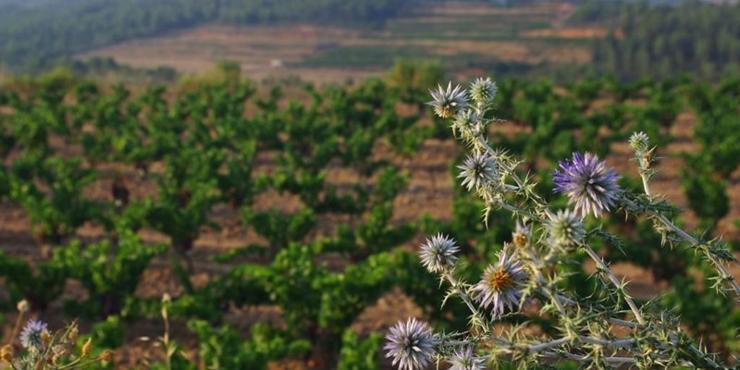
Celler Joan d'Anguera is a family-owned boutique winery in Montsant's Darmós village, where brothers Josep and Joan craft Garnatxa and Carinyena-based wines from 15-25 hectares of old-vine vineyards planted in clay and limestone soils. The brothers have transformed their family's legacy through certified biodynamic farming, minimal-intervention winemaking techniques, and a renewed focus on indigenous varieties that authentically express Montsant's terroir.
Julian Haart
Julian Haart operates a deliberately small 2.5-hectare winery in Germany's Mosel region, focusing almost exclusively on Riesling from steep, slate-rich vineyards including Piesporter Goldtröpfchen, Wintricher Ohligsberg, and Piesporter Schubertslay. His winemaking approach combines traditional methods learned during apprenticeships with Klaus Peter Keller and Egon Müller with minimal intervention techniques, quickly establishing him as one of the region's most promising new producers since founding his estate in 2010.
Kershaw
Kershaw Wines is a boutique winery founded in 2012 by Master of Wine Richard Kershaw, producing Chardonnay, Pinot Noir, and Syrah from carefully selected cool-climate vineyards in South Africa's Elgin Valley, where Atlantic influences and diverse soils at 250-400m elevation define the terroir. The winery's scientific precision is evident in its clonal selection approach and minimal intervention techniques, with its rapid quality ascent establishing Kershaw as a technically rigorous producer pushing the boundaries of South African winemaking.
Kinsman-Eades
Kinsman-Eades is a boutique Napa Valley producer founded by winemaker Nigel Kinsman and his wife Shae, focusing exclusively on premium Cabernet Sauvignon from selected volcanic and well-draining mountain vineyard sites. Drawing on Nigel's experience at Araujo Estate, Cullen Wines, and Château Palmer, this négociant operation has quickly built a reputation for structured, site-expressive wines through small-lot fermentations and precise extraction techniques since their 2016 debut.

Kutch
Kutch Wines, a producer in Sonoma Coast, California, is lauded for Pinot Noir that balances New World fruit intensity with Old World restraint, often employing whole cluster fermentation.
L'Hetre
L'Hetre is the Thienpont family's 10-hectare Castillon Côtes de Bordeaux estate, producing Merlot-dominated wines from clay-limestone soils on the same plateau that extends from Saint-Émilion. Under Guillaume Thienpont's technical direction, the estate applies the family's meticulous low-yield, minimal-intervention approach that has elevated both their own portfolio and the emerging appellation's standing in the fine wine world.
L'If, Chateau
L'If is an 8-hectare Saint-Émilion estate established in 2010 by Jacques Thienpont on the limestone plateau, producing Merlot-dominant Bordeaux blends from prime elevated terroir. The estate follows the same exacting protocols as sister property Le Pin, with temperature-controlled fermentation and French oak aging, limiting production to 20,000 bottles annually.
Lafarge Vial, Domaine
Domaine Lafarge Vial is a boutique Beaujolais producer established in 2014 by Burgundy's Lafarge family, cultivating 4 hectares of Gamay across granite-rich sites in Fleurie and Chiroubles, including parcels with 50+ year-old vines. Their rapid quality ascent stems from applying generations of Burgundian expertise to biodynamic viticulture (Demeter certified), combining traditional Beaujolais methods with precise winemaking that emphasizes minimal intervention and extended aging in neutral French oak.
Laforge, Chateau
Château Laforge is a boutique Saint-Émilion Grand Cru estate established in the late 1990s by British winemaker Jonathan Maltus, producing a single Merlot-dominant wine from select parcels within the appellation's distinctive terroir. The estate exemplifies Maltus's modern, terroir-focused approach that combines traditional Bordeaux respect for site with contemporary precision winemaking, representing an innovative vision that has established this micro-estate as an emerging voice in Saint-Émilion's evolving landscape.

Laroque, Chateau
Château Laroque is a historic Grand Cru Classé estate spanning 27-30 hectares on Saint-Émilion's limestone plateau, producing Merlot-dominant wines (85-90%) complemented by Cabernet Franc from clay-limestone soils. Under the Beaumartin family's ownership since the 1930s and with technical director David Suire's guidance, the estate has elevated its winemaking through parcel-by-parcel vinification and precise temperature-controlled fermentation while maintaining deep respect for its distinctive terroir.

Launay Horiot, Domaine
Domaine Launay Horiot is a small family estate in Burgundy's Côte d'Or, producing Pinot Noir from prestigious holdings in both Pommard and Gevrey-Chambertin, including Grand Cru Latricières-Chambertin and Premier Cru Les Rugiens. Recently revitalized by Xavier Horiot after reclaiming his grandfather's vineyards in the 2010s, the domaine combines traditional Burgundian winemaking methods with renewed vision, quickly establishing itself as a noteworthy producer in this historic region.
Lavinea
Lavinea is a boutique Willamette Valley producer founded in 2014 by Greg Ralston and Isabelle Meunier, crafting limited-production single-vineyard Pinot Noir and Chardonnay from strategic partnerships with growers across diverse volcanic and Laurelwood soils. Their minimalist approach—featuring native fermentations, partial whole-cluster inclusion, and restrained oak aging without fining or filtration—reflects Meunier's Burgundian training while allowing each distinctive vineyard site to express its unique personality.

Lignier-Michelot, Domaine
Domaine Lignier-Michelot is a fourth-generation family estate in Morey-Saint-Denis managing 9 hectares of Pinot Noir vineyards across the Côte de Nuits, including parcels in prestigious Clos de la Roche and Clos Saint-Denis grand crus. Under Virgile Lignier's leadership since the early 2000s, the domaine has transitioned to organic and biodynamic practices with minimal intervention winemaking, employing partial whole-cluster fermentation and judicious oak use.
Lingua Franca
Lingua Franca is a boutique 5,000-case producer in Oregon's Eola-Amity Hills AVA, founded in 2012 by Master Sommelier Larry Stone and partners, focusing on Pinot Noir and Chardonnay from their 66-acre east-facing vineyard with volcanic and marine sedimentary soils. The estate combines Burgundian winemaking techniques with Oregon terroir through its gravity-flow winery, native yeast fermentations, and organic farming practices, quickly establishing itself as one of Willamette Valley's most promising producers in just a decade.

Liquid Farm
Liquid Farm is a boutique négociant producer founded in 2009 by Jeff and Nikki Nelson, crafting small-production Chardonnay and Pinot Noir from select cool-climate vineyards in Santa Barbara County's fog-influenced coastal regions. Their Burgundian-inspired, minimal-intervention approach—featuring earlier harvest timing, judicious oak usage, and emphasis on natural acidity—has quickly established them as influential challengers to conventional California styles despite their relatively recent founding.
Lismore
Lismore Estate Vineyards is a boutique winery founded by American-born Samantha O'Keefe in the cool-climate Greyton area of South Africa's Overberg region, where high elevation and significant temperature variations yield distinctive Chardonnay, Sauvignon Blanc, Viognier, Syrah, and Pinot Noir. O'Keefe's minimal-intervention winemaking philosophy and pioneering spirit have established her as a trailblazer in this previously uncharted viticultural territory, demonstrating remarkable resilience by rebuilding after a devastating 2019 wildfire destroyed her facilities.
Marchand-Tawse
Marchand-Tawse is a Nuits-Saint-Georges-based négociant house founded in 2010 by Quebec-born winemaker Pascal Marchand and Canadian financier Moray Tawse, producing Pinot Noir and Chardonnay from limestone and clay terroirs across Burgundy's prestigious appellations. Their minimalist winemaking approach emphasizes biodynamic principles, native yeast fermentations, and tailored oak regimens, while their strategic vineyard acquisitions and collaborative grower relationships have rapidly elevated their standing in Burgundy's traditional hierarchy.

Mascot, The
The Mascot is a wine produced by Will Harlan and his family, who also own and operate Harlan Estate, a well-known Napa Valley winery. The Mascot is a blend of Cabernet Sauvignon, Merlot, Cabernet Franc, and Petit Verdot, sourced from younger vines on their estate and neighboring vineyards. The wine is aged in French oak barrels for 22 months before being bottled. The Mascot is known for its approachability, with a more accessible price point compared to Harlan Estate, while still delivering a high-quality Napa Valley wine experience. The wine has garnered critical acclaim and a loyal following since its debut in 2008.
Matias Riccitelli
Matias Riccitelli operates a small-scale boutique winery in Mendoza's Las Compuertas, producing terroir-driven wines from high-altitude Mendoza vineyards and cooler Patagonian sites, with a portfolio centered on Malbec alongside Cabernet Franc, Torrontés and old-vine Semillon. His pioneering work combines minimal-intervention winemaking with geographical exploration beyond traditional boundaries, rescuing historic vineyards while showcasing regional differences through projects like Republic of Malbec that highlight his position at the forefront of Argentina's new generation of winemakers.
Maxime Cheurlin Noellat
Maxime Cheurlin Noellat, a young Burgundy producer, is gaining attention for Pinot Noir that reflects the nuanced terroirs of Vosne-Romanée with vibrancy and finesse.
Millemann
Millemann is a micro-négociant operation established in 2016 by Sébastien Millemann, who sources Chardonnay and Pinot Noir from select grower parcels across the Côte de Beaune, particularly in Meursault, Puligny-Montrachet, and Savigny-lès-Beaune. His minimal intervention approach combines traditional Burgundian methods with a contemporary négociant model, allowing this emerging producer to craft terroir-transparent wines that have quickly gained recognition for their clarity and site-specificity.
Minimalist Wines
Minimalist Wines, likely a producer focused on a low-intervention approach, would emphasize natural winemaking practices to produce wines with a sense of purity and place.

Monteti, Tenuta
Founded in the late 1990s by Paolo and Gemma Baratta, Tenuta Monteti cultivates 15-20 hectares of primarily Bordeaux varieties in southern Maremma's mineral-rich clay and limestone soils, producing two Super Tuscan IGT blends influenced by the nearby Tyrrhenian Sea. Their meticulous approach includes hand harvesting, temperature-controlled fermentation, and extended French oak aging, reflecting the innovative spirit that has helped elevate Maremma's reputation since their establishment.
Mullineux
Founded in 2007 by Chris and Andrea Mullineux, this boutique Swartland producer sources fruit from 30 hectares across the region's distinctive granite, schist, and iron-based soils, focusing primarily on exceptional Syrah and Chenin Blanc. Their minimal intervention approach emphasizes native yeast fermentations and terroir expression, helping them rapidly ascend to prominence and elevate Swartland's international reputation in just over a decade.
Neo, Bodegas
Founded in the early 2000s, Bodegas Neo is a modern Ribera del Duero producer crafting primarily Tempranillo wines from limestone and clay soils, where the region's dramatic day-night temperature shifts build complexity in their grapes. The winery balances traditional regional winemaking with contemporary techniques like temperature-controlled fermentation, establishing itself as part of a new generation reinterpreting this classic Spanish appellation.

Nicolas Jay
Nicolas-Jay is a boutique Willamette Valley producer founded in 2014 by Burgundian winemaker Jean-Nicolas Méo and Jay Boberg, crafting Pinot Noir from their 13.5-acre Bishop Creek vineyard in Yamhill-Carlton and select regional sites. The estate combines traditional Burgundian winemaking techniques with minimal intervention practices, reflecting both Old World expertise and Oregon terroir through native fermentations and French oak aging.
Novum
Novum Wines is a boutique Marlborough producer established in 2016 by William and Rachel Hoare, focusing on site-specific Pinot Noir and Chardonnay from diverse sub-regions including hillside Churton Vineyard, Awatere Valley, and Southern Valleys. Operating as thoughtful négociants, the Hoares leverage William's experience as former Fromm winemaker to craft minimal-intervention, single-vineyard expressions that showcase Marlborough's terroir diversity beyond its mass-market reputation.

Olivier Bernstein, Domaine
Olivier Bernstein is a boutique négociant house in Beaune producing around 2,500 cases annually from seven Grand Cru and three Premier Cru sites in the Côte de Nuits, working exclusively with old-vine Pinot Noir from prestigious terroirs like Mazis-Chambertin and Chambertin Clos-de-Bèze. The domaine's distinctive approach includes an in-house cooperage program tailoring oak treatment to each cuvée, along with wooden vat fermentation and extensive aging of 16-18 months before bottling without fining or filtration.

Orma
Orma, located in Tuscany's Bolgheri region, produces Super Tuscan wines that are rich and modern, showcasing the blending of international grape varieties with Italian terroir.
Palazzo
Palazzo is a small-scale boutique winery in Napa Valley founded by Scott Palazzo in the early 2000s, producing limited quantities of Bordeaux-style red blends that showcase Merlot, Cabernet Franc, and Cabernet Sauvignon from carefully selected vineyard sites. The winery distinguishes itself through a cross-cultural approach that translates French winemaking philosophies to California terroir, creating wines that balance Napa's natural fruit intensity with European structural elegance.
Passopisciaro
Passopisciaro is a 26-hectare winery on Mount Etna's northern slope in Sicily, focusing primarily on high-altitude Nerello Mascalese grown in volcanic soils of black pumice, ash and basalt across multiple contrade at elevations up to 1,000 meters. The estate employs minimal-intervention winemaking with indigenous yeasts and neutral oak aging to express each vineyard's distinct character, continuing the pioneering vision established by founder Andrea Franchetti that helped transform Etna into one of Italy's most dynamic wine regions.
Patrick Piuze
Patrick Piuze in Chablis specializes in terroir-driven Chardonnay, capturing the region's minerality and tension, with wines that range from village to Grand Cru level.

Peake Ranch
Peake Ranch is a boutique Sta. Rita Hills producer founded by John and Gillian Peake, operating from the historic Buell property with approximately 50-80 acres of hillside vineyards where they focus on Pinot Noir and Chardonnay that express the region's marine-influenced terroir. Under winemaker Wynne Solomon, this relatively new venture has quickly established quality recognition through small-lot production methods that preserve vineyard character, having invested significantly in both vineyard development and a new winery facility within a decade of founding.

Pedesclaux, Chateau
Château Pédesclaux, nestled in the Pauillac appellation of Bordeaux, proudly carries its Fifth Growth status. Founded in the early 19th century, the estate crafts robust Bordeaux blends.
Pernot Belicard
Domaine Pernot Belicard is a boutique 6-hectare estate in Puligny-Montrachet, established in 2009 by Philippe Pernot and his wife Laurence Belicard, producing Chardonnay from limestone-clay soils across premier cru vineyards in Puligny-Montrachet and Meursault. Philippe combines his family's generational knowledge with modern refinements in his winemaking approach, balancing traditional Burgundian techniques with thoughtful innovation that has quickly earned the young domaine recognition for wines of remarkable quality and terroir expression.
Pichler-Krutzler
Founded in 2006 by Elisabeth Pichler and Erich Krutzler, Pichler-Krutzler is a boutique winery operating 12 hectares across Austria's Wachau and Kremstal regions, focusing on Grüner Veltliner and Riesling from steep, terraced vineyards with diverse soil compositions. The couple deliberately operates outside the traditional Vinea Wachau classification system, instead emphasizing vineyard-specific bottlings that showcase their minimalist winemaking approach and commitment to terroir expression, which has quickly established them as one of Austria's most compelling emerging producers.
Pierre Girardin
Pierre Girardin, the 13th-generation winemaker who established his boutique Meursault domaine in 2017 at age 22, crafts approximately 30,000 bottles annually of terroir-focused Chardonnay and Pinot Noir from prime limestone-clay vineyards across the Côte de Beaune. His distinctive approach balances traditional methods with selective innovations, including custom barrel specifications featuring longer aging and lighter toasting, while his meticulous attention to detail throughout the small-scale operation reflects his rapid emergence as a significant young talent in Burgundy.
Pierre Jean Villa
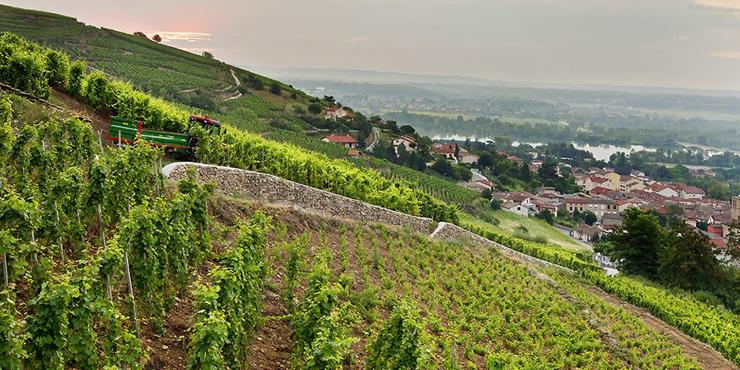
Pierre Jean Villa is a small, independent producer who established his 8-10 hectare domaine in 2009 across Saint-Joseph, Côte-Rôtie, and Condrieu, crafting terroir-expressive Syrah and Viognier wines from the Northern Rhône's granite and schist soils. His winemaking balances traditional methods with selective modern techniques, employing partial stem inclusion, hand-harvesting, and minimal oak influence to create elegant, pure expressions that have quickly earned him recognition as one of the region's most promising newer voices.
Pierre-Olivier Garcia
Domaine Pierre-Olivier Garcia, founded in 2016 in Nuits-St-Georges by the son of Burgundy's cartographer, cultivates family parcels and carefully selected négoce vineyards chosen for their adaptation to changing climate conditions. This meticulously hands-on producer employs the labor-intensive "baie par baie" technique, cutting grapes berry-by-berry and using a layered vinification approach to craft singularly perfumed, precise wines that balance delicate florality with expressive complexity.

Pierrick Bouley
Domaine Pierrick Bouley is a family-owned estate in Volnay producing primarily Pinot Noir from premier cru and village-level vineyards across Volnay and Pommard, where limestone-clay soils contribute to their wines' distinctive expressions. Since taking over from his father around 2012-2014, Pierrick has thoughtfully balanced traditional Burgundian winemaking with more sustainable vineyard practices, bringing fresh perspective while honoring the family's deep connection to these historic terroirs.
Pietradolce
Pietradolce is a family-owned winery established in 2005 on Mount Etna's northern slopes, cultivating 11 hectares of high-elevation vineyards (650-900m) where they focus on indigenous varieties like Nerello Mascalese and Carricante in distinctive volcanic soils. Their minimalist approach combines organic farming practices with gentle winemaking techniques, while their exceptional old-vine parcels and single-vineyard expressions have quickly established them as significant contributors to Sicily's viticultural renaissance.
Powell & Son
Powell & Son is a boutique Barossa Valley producer founded in 2014 by father-son team Dave and Callum Powell, specializing in Shiraz from old-vine vineyards across both warm Barossa Valley floor and higher-elevation Eden Valley's granite soils. Their winemaking combines traditional methods like open concrete fermentation and basket pressing with minimal intervention techniques, rapidly establishing them as significant contributors to Australian fine wine while honoring regional heritage.
Prieure, Chateau Le
Château Le Prieuré is a Grand Cru Classé estate operating on 6-8 hectares of Saint-Émilion's limestone plateau, producing Merlot-dominant Bordeaux blends that express the distinctive mineral qualities of their limestone-clay soils. Since the Artemis Group's 2017 acquisition, the estate has implemented more precise vineyard management and winemaking techniques, including parcel-by-parcel vinification and careful oak aging, driving a significant quality trajectory that positions them for advancement within Saint-Émilion's hierarchy.
Pujanza
Pujanza is a boutique Rioja Alavesa winery founded in 1998 by Carlos San Pedro, who crafts primarily Tempranillo-based wines from high-elevation (500-700m) vineyards with calcareous clay soils in Laguardia, Spain. San Pedro's terroir-focused approach emphasizes single-vineyard expressions aged in French oak rather than traditional American barrels, representing the new wave of producers redefining Rioja's potential through site-specific character.
Quintus, Chateau
Château Quintus is a 28-hectare Saint-Émilion estate established in 2011 by Domaine Clarence Dillon, producing Merlot-dominant Bordeaux blends from limestone plateau vineyards arranged in a natural amphitheater with diverse microclimates. The estate combines traditional Bordeaux winemaking with modern precision through plot-by-plot management and separate parcel vinification, reflecting the considerable expertise and resources that have quickly positioned it as a significant Right Bank producer.
Raen
RAEN is a boutique Sonoma Coast winery founded in 2013 by Carlo and Dante Mondavi, producing small-lot Pinot Noir from three distinct cool-climate vineyards with maritime influence and low yields. The brothers combine their Mondavi winemaking heritage with a commitment to organic farming, native yeast fermentations, and minimal intervention techniques to create site-expressive wines that establish their own identity beyond their grandfather's legacy.
Rafael Palacios
Rafael Palacios operates a boutique 32-hectare winery in Valdeorras' mountainous Val do Bibei subzone, producing approximately 350,000 bottles annually of terroir-expressive Godello wines from high-elevation vineyards with distinctive decomposed granite soils. His minimalist approach spans traditional viticulture and indigenous yeast fermentation in French oak, techniques that have elevated Godello to new heights and transformed perceptions of this once-overlooked variety in less than two decades.

Ragnaie, Le
Le Ragnaie is a boutique Brunello di Montalcino producer owned by Riccardo and Jennifer Campinoti, cultivating 15-20 hectares of Sangiovese across three distinct zones including some of the region's highest-elevation vineyards at 600 meters. Their traditional approach features organic farming, hand harvesting, concrete fermentation, and aging in large Slavonian oak casks, resulting in terroir-transparent wines that showcase the elegant, high-altitude character that has quickly established them among Montalcino's most exciting producers.
Rall
Donovan Rall operates Rall Wines as a small-scale, independent producer in South Africa's Western Cape, crafting limited-production white and red blends from carefully selected old-vine parcels in Swartland, Stellenbosch, and Darling regions where dry-farmed bush vines grow at 300-500 meters in diverse soils. His minimal-intervention winemaking philosophy emphasizes natural fermentation and vineyard expression, establishing him as a standard-bearer for South Africa's new wave of quality-focused producers who balance old-world sensibilities with the country's distinctive terroir.
Resonance
Resonance is a boutique Willamette Valley winery established in 2013 when Burgundy's Maison Louis Jadot acquired vineyards in Oregon, focusing on Pinot Noir and Chardonnay from their two distinct estate sites featuring sedimentary and volcanic soils. Their winemaking blends traditional Burgundian techniques with adaptations to Oregon conditions, rapidly establishing themselves as a quality-focused producer that bridges Old World expertise with New World terroir.
Restless River
Restless River is a small, family-owned estate in South Africa's Upper Hemel-en-Aarde Valley producing approximately 2,000 cases annually from mature Chardonnay and Cabernet Sauvignon vineyards planted in clay and decomposed granite soils just 5km from the Atlantic Ocean. Self-taught winemaker Craig Wessels and his wife Anne employ patient, minimalist winemaking techniques including indigenous yeast fermentation and extended aging, establishing a distinctive identity since their first commercial vintage in 2012 that showcases the cool-climate potential of this emerging wine region.

Reynvaan
Reynvaan Family Vineyards is a boutique, family-owned winery in Walla Walla Valley specializing in Rhône-style wines, particularly Syrah, from their two distinctive estate vineyards including parcels in the cobblestone-rich Rocks District of Milton-Freewater. Their minimal intervention approach, developed under Christophe Baron's mentorship, showcases authentic terroir expression through native fermentations and thoughtful oak aging, helping establish Washington as an emerging destination for world-class Rhône varieties since their first commercial release in 2007.
Rocheyron, Chateau
Chateau Rocheyron is a boutique Saint-Émilion Grand Cru estate established in 2010 by Peter Sisseck and Silvio Denz, producing approximately 2,000 cases annually from 8.45 hectares of 45-year-old vines planted in limestone-clay soils. The estate has quickly gained recognition through its commitment to biodynamic farming, minimal intervention winemaking, and a deliberate focus on terroir expression over volume, combining traditional Bordeaux methods with Sisseck's thoughtful winemaking approach.

Rothschild, Barons de
Barons de Rothschild is a collaborative Champagne house established in 2005 by the three branches of the Rothschild wine family, focusing primarily on Chardonnay-dominant cuvées sourced from Grand Cru and Premier Cru vineyards in the Côte des Blancs. Their methodical approach includes extended aging beyond legal minimums, restrained dosage levels, and a patient development strategy that allowed several years of preparation before releasing their first commercial Champagnes around 2009-2010.

Rudolf May, Weingut
Weingut Rudolf May is a family-owned VDP estate established in the early 2000s in Retzstadt, Franconia, specializing in mineral-driven Silvaner wines from shell limestone soils in the Langenberg and Scharlachberg vineyards. The winery has rapidly ascended to prominence through sustainable viticulture, extended lees aging in both stainless steel and traditional oak casks, and exceptional Grosses Gewächs bottlings that have earned them recognition among Germany's elite producers despite their relative youth.
Samuel Billaud
Samuel Billaud operates a 15-hectare independent domaine in Chablis, crafting terroir-expressive Chardonnay from exceptional vineyard holdings spanning all appellation levels, including prestigious Grand Cru parcels with Kimmeridgian limestone soils. His thoughtful balance between traditional methods and modern precision—combining hand harvesting, judicious oak use, and extended lees aging—has quickly established him among Chablis' elite producers since founding his own operation in 2009.

San Filippo
San Filippo in Montalcino produces Brunello that marries the traditional structure of Sangiovese with a polished modern style, gaining prominence since the estate's modern revival in the early 2000s.

Sansonnet, Chateau
Château Sansonnet is a Grand Cru Classé estate in Saint-Émilion producing Merlot-dominant Bordeaux blends from exceptional limestone plateau vineyards that provide ideal growing conditions for wines of remarkable depth. Under Marie-Bénédicte Lefévère's ownership since 2009, the estate has undergone substantial renovations and quality improvements, earning its classification upgrade in 2012 and establishing itself as an emerging force among Saint-Émilion's elite producers.
Savage
Duncan Savage operates Savage Wines as a small-scale négociant venture from his urban winery in Salt River, Cape Town, producing approximately 3,000 cases annually of Syrah-focused reds and Sauvignon Blanc/Chenin Blanc whites from carefully selected high-altitude, marginal sites across the Western Cape's diverse terroirs. His minimal-intervention approach emphasizes earlier harvesting, native yeast fermentation, and used French oak aging to create wines of tension and precision, reflecting his innovative vision that has quickly established him as an influential voice in South Africa's evolving fine wine scene since founding his independent label in 2011.
Schieferkopf
Schieferkopf is Michel Chapoutier's Alsatian venture based in Bernardvillé, focusing on Riesling and traditional varieties grown in the region's distinctive schist soils across select vineyard sites. The estate applies Chapoutier's established biodynamic principles with minimal intervention winemaking, bringing fresh perspective to Alsatian winemaking through a thoughtful fusion of tradition and the Rhône producer's expertise.
Seraphine, Chateau
Château Séraphine is a boutique 2.2-hectare Pomerol estate established in 2016 by Martin Krajewski and operated as a father-daughter venture, producing a single Merlot-dominant wine from clay and gravel soils. The estate combines traditional Bordeaux methods with modern precision in its newly renovated facilities, where meticulous vineyard work and careful winemaking have quickly established its reputation despite its youth.

Seven Apart
Seven Apart is a boutique Napa Valley producer established in 2018, crafting limited-production Cabernet Sauvignon from their high-elevation Stags Ridge Vineyard on Atlas Peak, where volcanic soils and significant diurnal shifts create ideal growing conditions. Under winemaker Andy Erickson's guidance, the young winery has quickly gained recognition for its meticulous vineyard-to-bottle approach and mountain-influenced wines that showcase the concentrated flavors and structural intensity characteristic of their distinctive terroir.
Stolpman Vineyards
Stolpman Vineyards is a second-generation family estate in Santa Ynez Valley's Ballard Canyon AVA, farming 170 acres of predominantly Rhône varieties on rare limestone-rich soils with a focus on Syrah and Roussanne. Their distinctive approach combines dry farming and minimal-intervention winemaking with innovative programs like La Cuadrilla, which grants vineyard workers ownership stakes, while their experimental So Fresh and Combe projects showcase their evolution from regional pioneer to boundary-pushing innovator.
Sugrue
Sugrue is a rising star in English sparkling wine, producing small-batch wines that are gaining recognition for their quality and unique expression of the South Downs terroir.
Sylvain Loichet
Domaine Sylvain Loichet is a family-owned Burgundy estate based in Chorey-lès-Beaune, producing Pinot Noir and Chardonnay from diverse limestone and clay terroirs across both the Côte de Beaune and Côte de Nuits. Since founding the domaine in his early twenties around 2004, Sylvain has transformed his family's grape-selling operation into a respected producer combining traditional methods with sustainable viticulture and minimal-intervention winemaking that showcases site-specific expression.

Tawse, Domaine
Tawse Winery, based in Ontario's Niagara Peninsula, is recognized for its sustainable and biodynamic practices, producing Chardonnay, Riesling, and Pinot Noir that reflect the cool-climate terroir.
Tensley
Tensley Wines is a boutique family operation founded in 1998 by Joey Tensley in Santa Barbara County, specializing in Syrah and other Rhône varieties sourced primarily from cool-climate coastal vineyards influenced by Pacific Ocean fog patterns. Their minimal-intervention winemaking approach emphasizes vineyard expression through selective hand harvesting and thoughtful oak aging, with their estate Colson Canyon Vineyard Syrah exemplifying the growing recognition of Santa Barbara's potential for world-class Rhône-style wines.
Tessier, Domaine
Domaine Tessier is a small family-operated estate in Meursault where Arnaud Tessier crafts primarily Chardonnay from limestone-rich, calcareous clay soils across several premier cru sites including Les Charmes and Genevrières. Since taking over in the early 2000s, Arnaud has elevated the domaine through his minimal-intervention winemaking philosophy that balances traditional Burgundian techniques with thoughtful innovation, transforming his family's modest holdings into one of the region's most promising estates.

Thibauld Denizot, Domaine
Thibauld Denizot, while lesser-known than some of its counterparts, is a producer from Burgundy that is gradually gaining recognition for its refined, terroir-driven wines.
Thistledown
Thistledown Wines operates as a small-scale négociant venture in South Australia, founded by Masters of Wine Giles Cooke and Fergal Tynan, specializing in Grenache from old-vine vineyards across McLaren Vale, Barossa Valley, and Adelaide Hills. Their minimal-intervention approach emphasizes elegance over power through techniques like whole bunch fermentation and indigenous yeasts, helping redefine Australian Grenache on the global stage while showcasing the untapped potential of the region's historic vineyards.
Thomas-Collardot
Thomas-Collardot is a family-run domaine established in 2016 by Olivier Thomas and Jacqueline Collardot, managing 2.5 hectares of predominantly Chardonnay vineyards across Puligny-Montrachet's limestone-rich soils at 250-300 meters elevation. The couple applies organic farming practices and minimal-intervention winemaking techniques learned from Domaine Leflaive, handling all production aspects themselves to create authentic expressions of terroir through their modest 10,000-bottle annual production.
Tour Saint Christophe, Chateau
Château Tour Saint Christophe is a 20-hectare Saint-Émilion Grand Cru estate in Saint-Christophe-des-Bardes, producing Merlot-dominant Bordeaux blends from distinctive terraced vineyards set on limestone and clay soils with optimal south/southwest exposure. Under Peter Kwok's ownership since 2012, the estate has undergone significant modernization while maintaining traditional methods, with Michel Rolland consulting on a winemaking program designed to express the vineyard's terroir with precision and aging potential.

Trediberri
Trediberri is a first-generation family winery established in 2007, farming 5-8 hectares in La Morra's Berri cru and Rocche dell'Annunziata, where calcareous marl soils shape their Barolo-focused portfolio. Their winemaking balances tradition with modernity through extended macerations and aging in large Slavonian oak casks, while their minimal-intervention viticulture has quickly earned them recognition as an important new voice in Piedmont's historic landscape.
Tronquoy-Lalande, Chateau
Chateau Tronquoy-Lalande is a 30-hectare Saint-Estèphe estate producing Bordeaux blends from deep gravel soils with clay subsoil, distinguished by its unusually high Merlot plantings (52%) that create a distinctive expression of the appellation. Following acquisition by the Bouygues family in 2006, the property has undergone comprehensive revitalization under Hervé Berland's leadership, combining traditional methods with modern techniques to elevate quality and recognition while maintaining authentic terroir expression.

Two Hands
Two Hands, founded in 1999 by Michael Twelftree and Richard Mintz, is an independent South Australian producer specializing in regional Shiraz from their Barossa Valley base, with additional sourcing from McLaren Vale, Clare Valley, Eden Valley, Langhorne Creek, and Victoria's Heathcote, often utilizing 80+ year old vines. Their minimal intervention winemaking philosophy and innovative Garden Series showcasing terroir-specific Shiraz expressions have rapidly elevated the winery from its recent founding to international recognition, earning critical acclaim and inclusion in Langton's Classification of Australian Wine.
Utopos
Utopos Wines, located in Australia's Barossa Valley, is a boutique winery that produces a range of wines, including Shiraz and Cabernet Sauvignon, known for their balanced and rich profiles.
Vassaltis
Founded in 2015, Vassaltis is Santorini's first 21st-century winery, producing primarily Assyrtiko from family-owned parcels and select growers across the island's distinctive volcanic aspa soils. The winery balances traditional methods like dry-farming and kouloura vine training with modern winemaking techniques, representing the next evolution of Greek island viticulture through their minimal-intervention approach and commitment to quality over quantity.
Vincent Dureuil Janthial
Vincent Dureuil-Janthial in Rully, Burgundy, crafts Chardonnay and Pinot Noir that are noted for their precision, elegance, and expression of the Côte Chalonnaise.
Vincent Paris, Domaine
Vincent Paris, a producer in the Northern Rhône, is known for Syrah from Cornas that balances intensity with finesse, reflecting the steep granite slopes of the appellation.
Vollenweider, Weingut
Founded in 1999 by Swiss-born Daniel Vollenweider, this boutique Mosel estate spans just 3.5 hectares of steep, slate-rich vineyards in Wolf and Kröv, focusing primarily on Riesling from ungrafted 80-100 year old vines. Vollenweider's minimal-intervention approach combines traditional methods with thoughtful innovation, transforming this first-generation winemaker from passionate outsider to respected producer in just over two decades.

Vougeraie, Domaine de la
Founded in 1999 by the Boisset family, Domaine de la Vougeraie operates a 40-45 hectare estate across both Côte de Nuits and Côte de Beaune, producing primarily Pinot Noir (70-75%) and Chardonnay from prestigious holdings including four Grand Crus and multiple Premier Crus. Their fully biodynamic approach since the mid-2000s, combined with traditional Burgundian winemaking techniques and minimal intervention, has helped this young estate rapidly establish itself among the region's quality leaders.
Wiston Estate
Wiston Estate is a family-owned sparkling wine producer operating 16-20 hectares of vineyards on the chalky, south-facing slopes of West Sussex's South Downs, focusing exclusively on traditional method sparkling wines from Champagne varieties. Under winemaker Dermot Sugrue's guidance since their 2006 founding, they've rapidly established a reputation for quality through traditional techniques including hand harvesting, use of a rare Coquard basket press, and extended lees aging that often exceeds Champagne's minimum requirements.
Xavier Gerard
Xavier Gerard operates a modest 3.5-hectare family domaine in Chavanay, producing approximately 1,000 cases annually of Côte-Rôtie and Condrieu from exceptional granite and schist vineyard sites across both appellations. His winemaking balances traditional methods with technical precision, employing partial stem inclusion for Syrah, limited new oak, and a hands-on approach that has successfully transformed his family's grape-growing business into a respected Northern Rhône producer.
Y. Clerget, Domaine
Domaine Y. Clerget is a 28th-generation family estate in Pommard with 5 hectares of exceptional vineyards across Volnay, Pommard, and Meursault, crafting primarily Pinot Noir expressions that showcase the nuanced limestone-clay terroirs of the Côte de Beaune. Under Thibaud Clerget's leadership since 2015, this historic domaine has experienced a renaissance through the revival of family-label bottling after years of selling to négociants, combining traditional Burgundian methods with thoughtful modern techniques.
d'Eugenie, Domaine
Domaine d'Eugénie is a boutique 6.5-hectare estate in Vosne-Romanée, Burgundy, crafting precise Pinot Noir wines from exceptional holdings including three Grand Crus situated on eastern-facing limestone and clay slopes. Established in 2006 when François Pinault acquired the historic Domaine René Engel, the estate has rapidly ascended in quality through a balanced approach combining Burgundian tradition with technical precision under the leadership of experienced winemaker Michel Mallard.
l'A, Domaine de
Domaine de l'A is the personal project of Stéphane and Christine Derenoncourt, who produce around 30,000-40,000 bottles annually from their 10-12 hectare estate on limestone-clay hillsides in Castillon Côtes de Bordeaux, focusing on a single Merlot-dominant red wine. Their minimalist approach—featuring hand-harvesting, gentle extraction, concrete or wooden vat fermentation, and organic farming practices—has elevated both the estate and the entire Castillon appellation beyond its traditional standing in the Bordeaux hierarchy.