


When I read a wine review, there’s almost always some reference to black currants, cassis, or crème de cassis. But to the American reader, black currants are a bit of a mystery. We just don’t eat them. So I wanted to find out why.
Turns out, black currants (Ribes nigrum) were banned in the United States from 1911 to 1966. Why? Because they’re a host for white pine blister rust, a fungal pathogen that posed a serious threat to white pine trees – an important resource for the American timber industry.
Even though the federal ban was lifted in 1966, several states including Ohio, Michigan, New Hampshire, New York, Delaware, Massachusetts, Rhode Island, West Virginia, and North Carolina still maintain restrictions or permit requirements for growing or selling black currants.
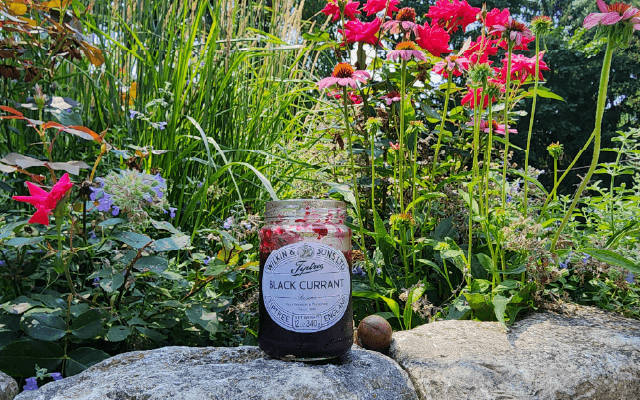
So that’s why Americans don’t know what black currants taste like. I tried to buy some fresh ones online and came up empty. The best I could find was black currant jam on Amazon – close enough for a taste test.
It’s summertime in Chicago, so I rallied my kids for an experiment. None of them had ever heard of black currants, so we each tried a spoonful of the jam.
- My daughter described it as “rehydrated raisins in maraschino cherry juice (the good kind), a little bit tart.”
- My youngest son said it tasted like “grown-up grape jelly and cranberries.”
- My eldest said it was like “the blueberries in blueberry muffins with some cherry and lemon zest, but more earthy.”
So, there you have it. Black currants taste like grown-up grape jelly – concentrated blueberries swirled with cherry juice, tart and tangy with an earthy edge. Sounds pretty delicious.
To all the wine reviewers out there: just know that when you say “black currants,” most Americans have no idea what you’re talking about. Maybe next time, you can slip in “grown-up grape jelly” for those of us on this side of the pond.